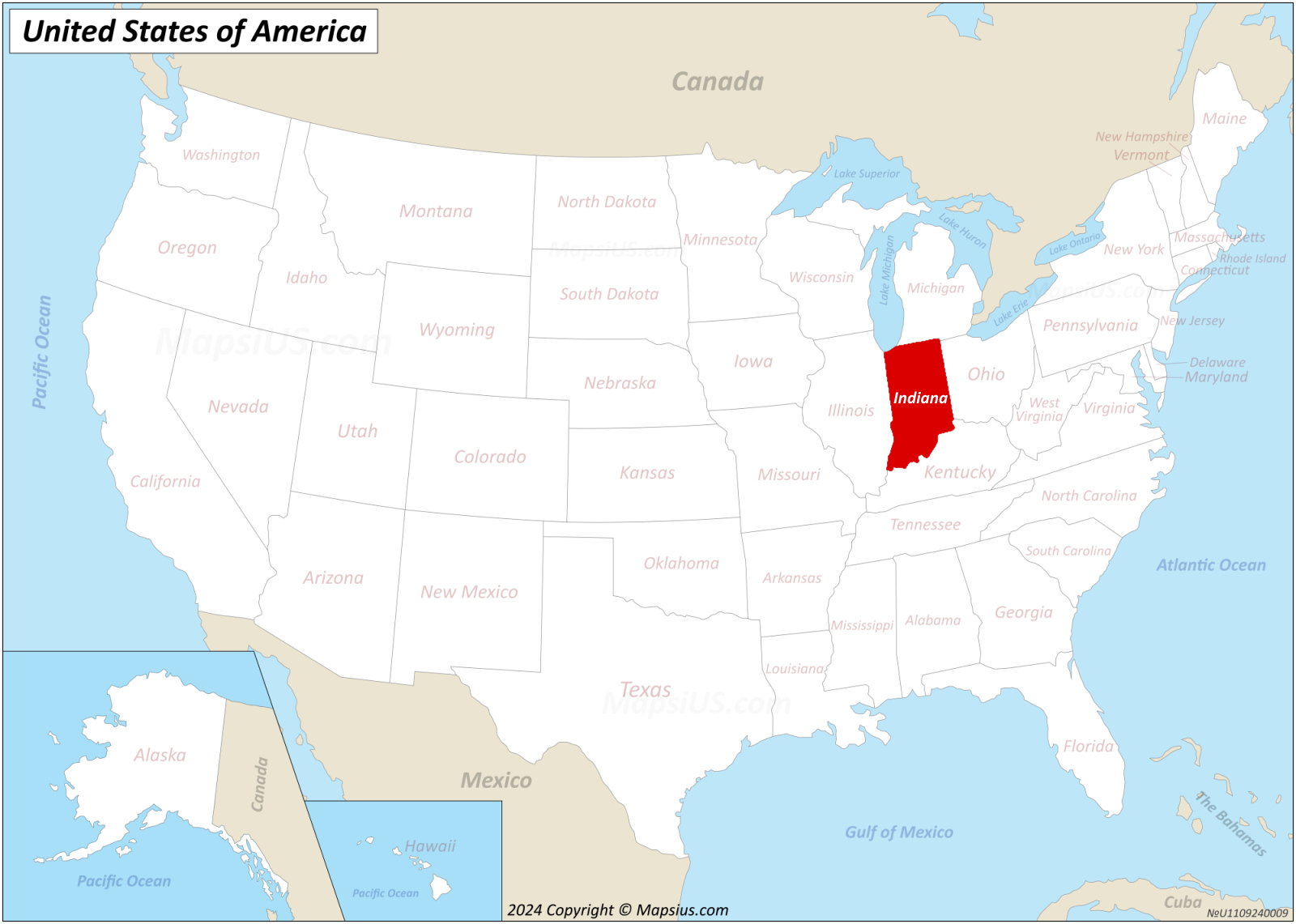
Public sector pay transparency sits at the center of ongoing debates over government accountability, fiscal responsibility, and workforce retention. In Indiana, citizens, researchers, and policymakers evaluate public payrolls using state-managed reporting tools. Accessing these records allows taxpayers to track how public funds support state agencies, universities, and local governments.
Transparency initiatives aim to balance the public's right to know with administrative practicality. Understanding how Indiana makes this data available, what the numbers reveal about compensation trends, and why these figures spark debate clarifies the mechanics of public sector accountability.
Accessing Public Salaries in Indiana
Indiana provides centralized platforms where anyone can inspect public sector compensation. The Indiana Transparency Portal serves as the primary gateway for looking up individual state employee salaries, agency totals, and elected official compensation. Users can search records by employee name, department, or job classification.
At the local and broader governmental levels, the Indiana Gateway for Government Units tracks financial data, including the Certified Report of Names, Addresses, Duties and Compensation of Public Employees, commonly referred to as Form 100R. This database encompasses counties, cities, towns, townships, school corporations, and public libraries.
Navigating these tools requires understanding how data is structured:
- Annualized Figures: State employee databases generally display annualized salaries for full-time personnel rather than year-to-date earnings.
- Hourly Rates: Part-time staff members are listed with their specific hourly pay rates.
- Elected Officials: Data for lawmakers and elected leaders often reflects statutory calculations or daily rate factors that adjust based on calendar constraints.
Trends in State Workforce Compensation
Analyzing multi-year payroll data highlights clear patterns in how state compensation evolves alongside broader economic shifts. Public sector wage growth typically lags behind private sector surges during economic expansions, leading to recruitment and retention hurdles for state agencies. Conversely, public roles often provide more stable benefit packages, which cushion against market volatility.
State universities and large institutional employers like Indiana University and Purdue University consistently account for the largest segments of public payroll records. Administrative positions, correctional officers, and Department of Transportation workers make up the bulk of executive branch agency employment.
Inflation adjustments remain a central point of discussion during budget cycles. When cost-of-living increases outpace legislative pay adjustments, state agencies often experience higher turnover rates, particularly in specialized technical and healthcare fields where private sector competition is fierce.
The Data Behind the Debates
Public availability of government salaries fuels continuous debate among taxpayers, lawmakers, and labor advocates. These discussions generally revolve around three core tensions.
Fiscal Stewardship versus Employee Privacy
Proponents of open data argue that because public employees are funded by taxpayer dollars, total transparency is non-negotiable. Complete disclosure ensures that citizens can monitor government spending, detect potential waste, and hold agencies accountable.
On the other side, workforce advocates point out that publishing granular salary data can subject public servants to unwanted scrutiny or commercial solicitation. Furthermore, transparency advocates note restrictions on commercial or political use under state guidelines, though enforcement remains challenging once data enters the public domain.
Competitiveness in Hiring
Another frequent argument focuses on market parity. Critics of state pay scales often highlight high-earning public executives or university administrators, questioning whether specific positions warrant six-figure salaries.
Simultaneously, human resources professionals inside state government argue that public salaries for entry-level and mid-tier administrative roles frequently trail private market rates. Without transparent access to comparative salary data, agencies struggle to make data-driven arguments for budget adjustments necessary to attract qualified candidates.
Equity and Consistency
Pay transparency initiatives provide a mechanism to evaluate internal equity across state agencies. Access to comprehensive records allows independent analysts to examine wage distributions across different demographics, job types, and geographic regions. Ensuring that compensation policies remain consistent across state departments helps mitigate arbitrary pay disparities.
Frequently Asked Questions
Are all public employees in Indiana included in online salary databases?
Yes. State agencies, public universities, public schools, and local government units are required by state law to report employee compensation. These records are compiled annually or updated regularly on official state portals.
Do state employee salaries include benefits like health insurance and pensions?
Standard public salary portals typically list base monetary compensation, such as annualized salaries or hourly wages. They do not usually display the cash value of indirect benefits like health insurance, state retirement contributions, or paid leave.
Can public salary data be used for commercial marketing or political campaigns?
No. State regulations explicitly restrict individuals from using downloaded or printed government employee lists for commercial solicitations or political campaign activities.
How often is the Indiana state employee salary database updated?
State agency payroll databases are updated periodically throughout the year to reflect new hires, departures, and salary adjustments. Local government units submit their detailed Form 100R compensation reports annually through the Gateway system.


