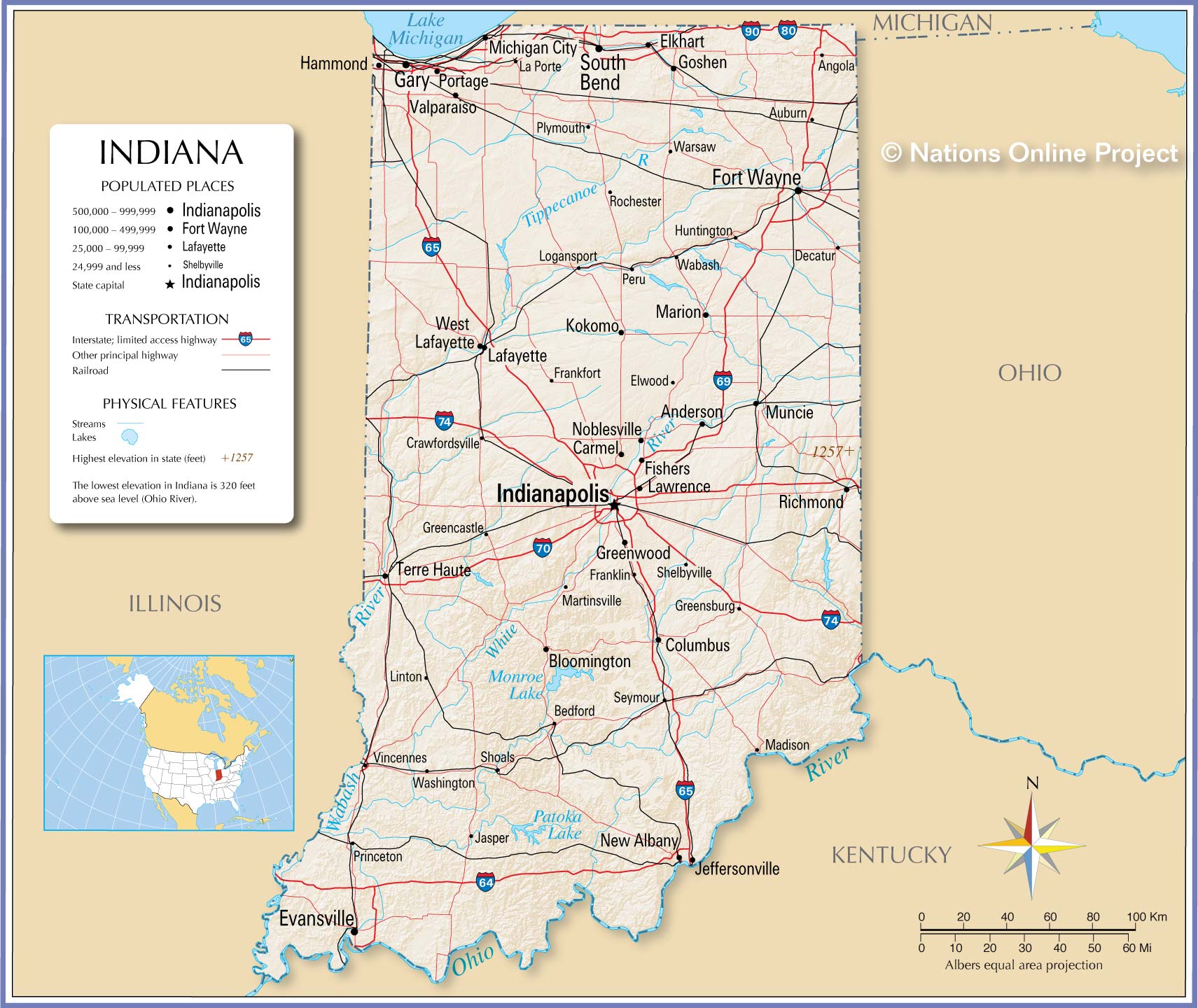
Navigating health coverage in Indiana can feel overwhelming, but the state marketplace provides structured options for individuals and families seeking affordable plans. Whether you're transitioning away from employer-sponsored insurance or buying coverage independently, understanding how the platform operates helps you secure financial assistance and pick the right plan without overpaying.
CareSource is one of several insurance carriers operating on the health insurance marketplace in Indiana, offering Qualified Health Plans designed to meet federal standards. To get started, you'll need to know eligibility rules, application timelines, metal tier differences, and common pitfalls that cost shoppers money.
Eligibility and Enrollment Windows
Qualifying for health plans through the Indiana marketplace depends on residency, citizenship status, and household income. You must live in Indiana, maintain legal U.S. residency or citizenship, and not be incarcerated.
Financial assistance, known as advanced premium tax credits, is calculated based on your Modified Adjusted Gross Income relative to the Federal Poverty Level. If your household income falls between 100% and 400% of the federal poverty guidelines, you qualify for subsidies that lower your monthly bill.
Timing matters when you apply:
- Open Enrollment Period: Runs annually from November 1 through January 15 in most states, with varying exact deadlines for coverage starting January 1 or February 1.
- Special Enrollment Periods: Triggered by major life events such as losing job-based insurance, getting married, having a baby, or moving to Indiana. You have 60 days from the event date to enroll.
- Medicaid Thresholds: If your income drops below 138% of the federal poverty level, you may be directed toward Indiana's state Medicaid program, Healthy Indiana Plan (HIP), rather than a marketplace plan.
Understanding Marketplace Metal Tiers
Marketplace plans are categorized into four metal tiers based on how you and the insurer split medical costs. Higher monthly premiums typically mean lower out-of-pocket expenses when you visit a doctor.
Bronze Plans
Bronze plans cover roughly 60% of medical costs on average, leaving you responsible for the remaining 40% through deductibles and coinsurance. They carry the lowest monthly premiums, making them attractive if you're young, healthy, and rarely see a doctor. However, you'll pay full price for care until you meet a steep deductible.
Silver Plans
Silver plans cover about 70% of costs and strike a balance between monthly premiums and out-of-pocket exposure. Crucially, Silver tiers are the only plans eligible for cost-sharing reductions—extra subsidies for lower-income applicants that drop deductibles and copays significantly. If you qualify for these extra savings, a Silver plan almost always beats a Bronze or Gold plan financially.
Gold and Platinum Plans
Gold plans cover 80% of costs, while Platinum plans cover 90%. Both feature high monthly premiums paired with low deductibles and low copays. These tiers suit individuals with chronic medical needs, expensive prescription regimens, or frequent doctor visits.
Step-by-Step Enrollment Process
Applying for coverage requires preparation. Gather your household income documents, Social Security numbers, and tax information before starting.
- Visit the official portal: Go to HealthCare.gov to complete your application, as Indiana utilizes the federal platform for enrollment.
- Submit household details: Enter your estimated annual income, household size, and current insurance status to let the system calculate your exact subsidy amount.
- Compare available plans: Filter results by carrier, such as CareSource, and examine the provider networks, monthly premiums, and out-of-pocket maximums.
- Select and enroll: Choose your preferred plan tier, verify your doctors accept it, and complete the initial premium payment to activate coverage.
Provider Networks and Common Mistakes
Choosing a health plan based solely on the monthly premium is a costly error. You must check the plan's network structure before enrolling. CareSource typically operates through managed care networks like Health Maintenance Organizations, requiring you to use specific doctors and hospitals.
- Mistake 1: Forgetting to check doctor networks. If your primary care physician or local hospital isn't in the CareSource network, you'll pay out of pocket or face claim denials. Verify network participation directly on the CareSource Indiana website.
- Mistake 2: Underestimating total medical costs. A cheap Bronze plan with a seven-thousand-dollar deductible can wipe out your savings if an unexpected medical emergency happens.
- Mistake 3: Failing to report income changes. If you get a raise or a new job during the year, update your income on the marketplace immediately. Underreporting can force you to pay back excess subsidies when you file taxes.
Frequently Asked Questions
Can I enroll in a CareSource marketplace plan at any time of year?
No. Unless you experience a qualifying life event that grants a Special Enrollment Period, you must wait for the annual open enrollment window to sign up or switch plans.
What happens if my income changes after I enroll?
You are required to report income changes to the marketplace within 30 days. The system will adjust your monthly tax credits to match your new earnings, preventing surprise tax bills later.
Are preventive care visits free on Indiana marketplace plans?
Yes. Under federal rules, all marketplace plans, including CareSource offerings, cover essential preventive services like annual physicals, routine vaccinations, and specific cancer screenings at no additional cost when using in-network providers.
How do I know if my prescription drugs are covered?
Every insurance plan maintains a formulary—a list of approved medications. Check the CareSource formulary online before selecting a plan to ensure your specific prescriptions are included and placed in an affordable tier.



