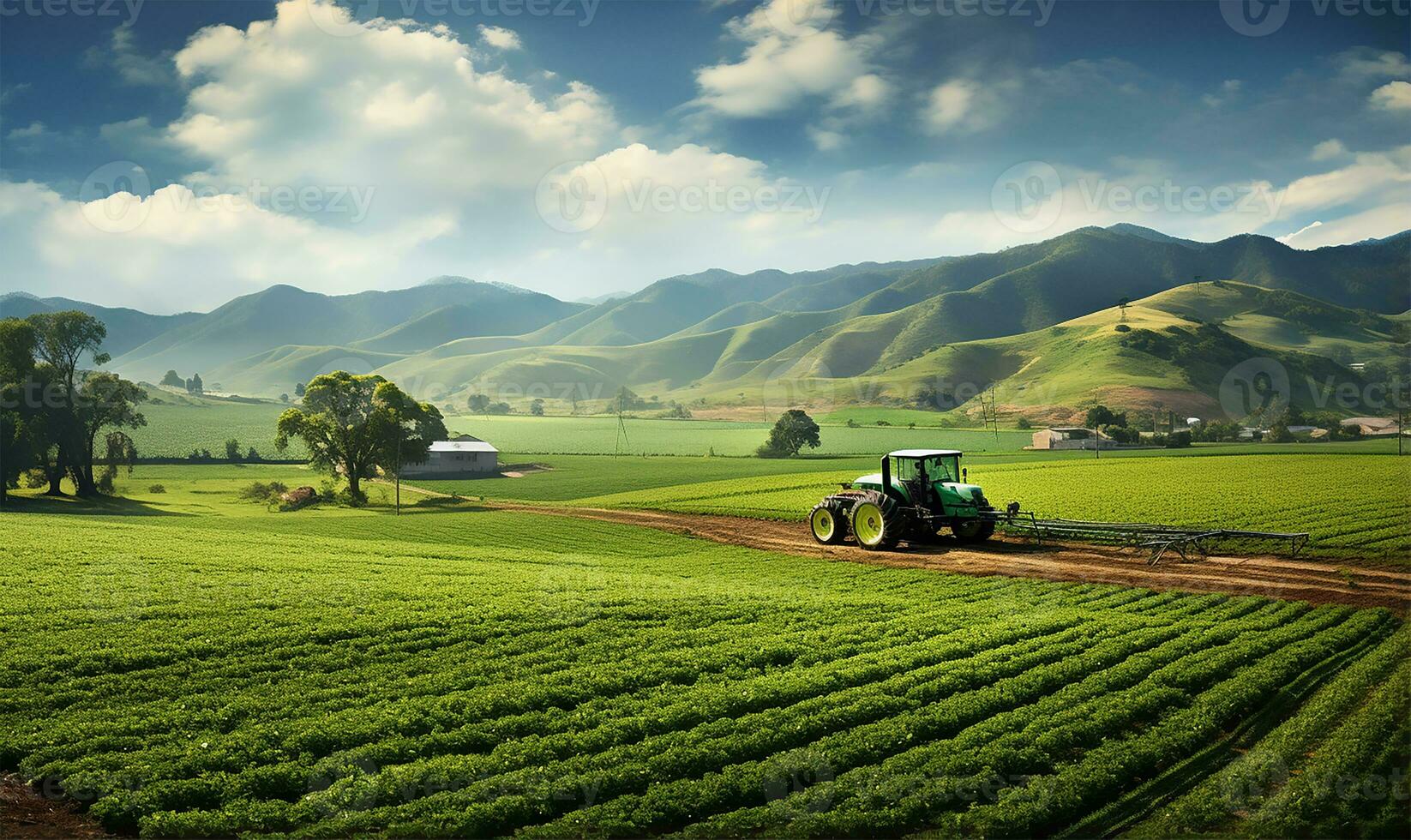
India's fields tell a story of sheer survival turned into self-reliance. In the mid-twentieth century, the nation faced recurring threats of famine, relying heavily on foreign grain shipments to feed its people. The introduction of high-yielding seed varieties, chemical fertilizers, and expanded irrigation during the Green Revolution completely altered this trajectory. Granaries filled up, and the country avoided catastrophe.
That historic triumph now faces a different set of pressures. With over 1.4 billion mouths to feed, shrinking farm sizes, and depleted aquifers, the old playbook of intensive chemical use and groundwater mining no longer works. Meeting future demands requires moving past the limits of twentieth-century methods toward regenerative practices and digital integration.
The Foundations and Toll of the First Transformation
The mid-1960s intervention saved millions from starvation, focusing heavily on wheat and rice production in select states like Punjab, Haryana, and western Uttar Pradesh. By introducing dwarf wheat and rice strains responsive to synthetic nitrogen and controlled water, yields tripled within a decade.
This narrow focus created hidden liabilities. Decades of intensive cereal monoculture depleted soil organic matter and lowered water tables across northern breadbasket regions. Pests grew increasingly resilient to standard agrochemicals, prompting farmers to spray heavier doses that further compromised soil microbiology and local water safety.
- Groundwater depletion: Continuous extraction through tube wells outpaces natural monsoon recharge rates.
- Soil degradation: Excessive synthetic fertilizer reliance unbalanced soil nutrient profiles, stripping out crucial micronutrients like zinc.
- Economic vulnerability: Smallholders often borrow heavily to pay for recurring input costs, trapping vulnerable households in debt cycles when weather patterns fail.
Shifting Demands of a Growing Population
Feeding a population crossing 1.4 billion requires more than just high cereal totals; it demands nutritional diversity. Diets across urban and rural sectors demand pulses, oilseeds, fruits, and dairy products. Producing these diverse goods requires efficient resource management, especially as climate variability creates erratic monsoon seasons.
Smallholder farmers manage the majority of operational holdings across the country. These fragmented plots complicate large-scale mechanized farming, making cooperative structures and shared asset models essential for rural profitability. Without structural shifts in how small plots access credit and markets, productivity gains fail to translate into secure farmer livelihoods.
Transitioning to Sustainable and Regenerative Models
Agricultural scientists and policymakers now champion the concept of an evergreen revolution—increasing output without causing ecological damage. This approach relies on precision techniques and biological innovations that work alongside natural systems rather than overriding them.
Precision Agronomy and Water Conservation
Modern tools help reduce waste by applying inputs only where needed. Laser land leveling ensures uniform water distribution across fields, cutting irrigation waste significantly. Micro-irrigation systems, including drip and sprinkler networks, deliver moisture directly to plant roots, preserving precious groundwater supplies in arid and semi-arid districts.
Biological Inputs and Soil Health Restoration
Restoring degraded soils requires rebuilding organic carbon levels through cover cropping, crop rotation with legumes, and bio-fertilizers. Microbes that fix atmospheric nitrogen or solubilize phosphorus help reduce dependence on synthetic urea, lowering input costs for cash-strapped growers while keeping waterways clean.
Frontier Technologies and Digital Infrastructure
Technology is reshaping agricultural extension services. Mobile platforms now deliver localized weather alerts, pest warnings, and real-time market pricing directly to smallholders, reducing information imbalances.
- Digital Public Infrastructure: Platforms like the Ministry of Agriculture and Farmers Welfare integrate land records with direct benefit transfers, minimizing administrative friction.
- Remote Sensing: Satellite data and drone imaging help monitor crop health, assess damage from unseasonal rains, and streamline insurance payouts.
- Cold Chain Logistics: Upgrading storage facilities and rural transport corridors minimizes post-harvest losses, which historically ruined a substantial portion of perishable fruits and vegetables before reaching urban markets.
Frequently Asked Questions
Why is the original Green Revolution considered unsustainable today?
The original model relied heavily on intensive groundwater extraction and heavy synthetic chemical use. Over decades, this depleted aquifers, degraded soil organic matter, and caused widespread pest resistance, making it difficult to maintain those yield trajectories without harming the environment.
How do smallholder farmers fit into modern agricultural strategies?
Since the majority of operational holdings are small, modern initiatives focus on farmer producer organizations (FPOs). These collectives allow smallholders to pool resources, buy inputs in bulk, access institutional credit, and negotiate better prices at market.
What role does climate change play in Indian farming?
Unpredictable monsoon timings, sudden heatwaves during grain-filling stages, and unseasonal storms threaten traditional planting calendars. Adaptation requires breeding climate-resilient crop varieties that tolerate higher temperatures, salinity, and shorter growing seasons.
How are digital tools helping everyday growers?
Digital applications provide actionable data on local weather, optimal fertilizer dosages, and current commodity prices across regional mandis. This transparency helps farmers time their harvests and sales to avoid distress selling.


