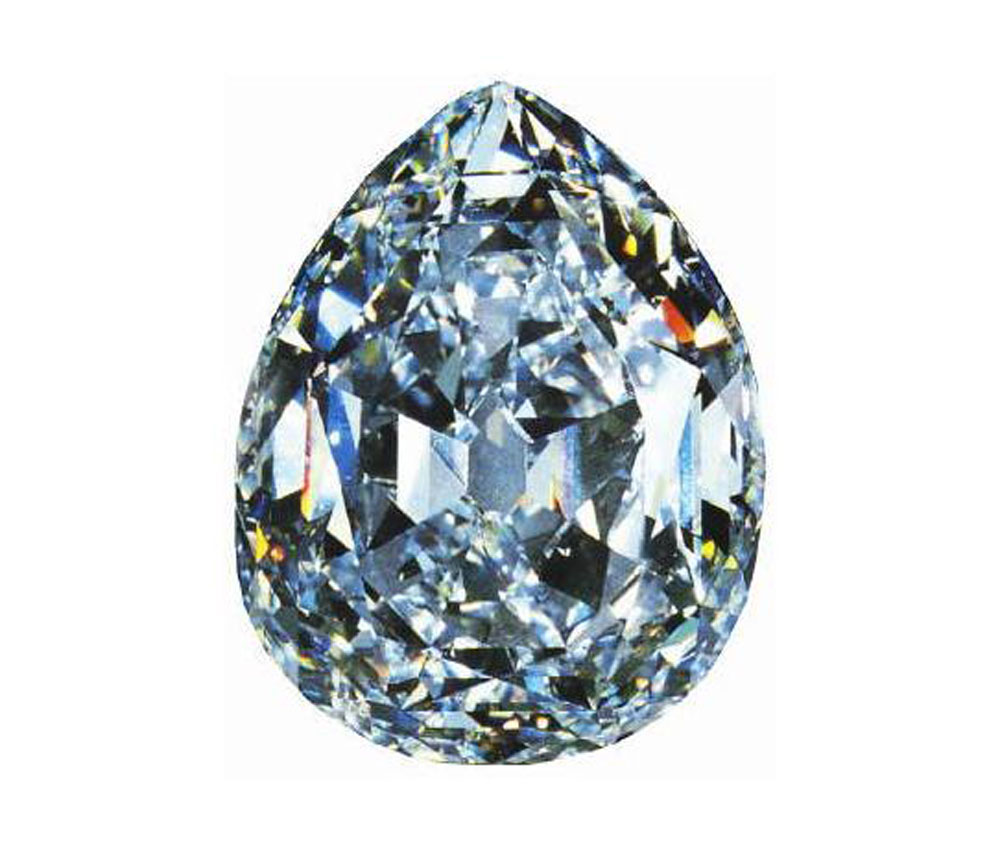
India handles roughly ninety percent of the world's rough diamonds, turning raw stones into brilliant gems through a mix of ancestral skill and modern automation. While historical trade routes once centered around ancient alluvial mines like Golconda, today's global luxury market relies heavily on modern processing hubs in Gujarat and corporate giants driving retail expansion. Understanding who shapes this multi-billion dollar ecosystem requires looking past retail storefronts into the technical processing floors, trading networks, and policy shifts defining current market conditions.
Operating a diamond business in India means navigating rapid technological upgrades, evolving consumer demands for transparency, and shifting international trade frameworks. Whether you're analyzing supply chain logistics, exploring investment segments like solitaire jewelry, or evaluating the rise of lab-grown alternatives, the domestic market operates under unique structural dynamics.
The Manufacturing Engine: Surat and Gujarat's Industrial Backbone
The physical transformation of rough diamonds into polished luxury assets happens primarily in Surat, a coastal city in Gujarat. Generations of artisan families and entrepreneurial firms from the Kathiawar region built this ecosystem, scaling it from manual polishing boards into a high-tech manufacturing capital.
Modern facilities in Surat don't rely purely on human handcrafting anymore. The integration of advanced laser mapping, artificial intelligence-driven planning software, and automated cutting systems has drastically reduced material waste. Companies invest heavily in computer-aided design to maximize the yield of every rough stone. This tech-forward pivot helps local enterprises maintain profit margins despite fluctuating global rough diamond prices and rising labor standards. Additional reporting by Financial Times delves into similar perspectives on this issue.
- Laser Technology Integration: Automated mapping machines scan internal inclusions instantly, optimizing the cut line before a single laser touches the stone.
- Energy and Sustainability: Processing units increasingly adopt solar power and water recycling systems to meet international compliance standards for ethical sourcing.
- Skill Upgradation: Traditional cutters now function as machine supervisors and quality assurance technicians, managing complex digital workflows.
Key Corporate Leaders and Retail Titans
Several major business houses dictate the flow of luxury diamond jewelry within India and across export destinations like the United States and Hong Kong. These market leaders combine large-scale manufacturing capacity with aggressive domestic retail expansion.
- Titan Company (Tanishq and Zoya): As a dominant force in organized retail, Titan leverages deep supply chain integration to capture urban and semi-urban spending. Their sub-brands cater to diverse consumer tiers, ranging from everyday wear to high-end bridal luxury.
- Kalyan Jewellers and Malabar Gold & Diamonds: These national heavyweights drive tier-2 and tier-3 city penetration, converting traditional gold buyers into diamond jewelry purchasers through certified purity guarantees and transparent exchange policies.
- Specialized Solitaire Brands: Companies like Divine Solitaires focus specifically on branded diamond segments, establishing standardized pricing models and laser-inscribed tracking numbers that build consumer trust.
Policy Shifts and Economic Frameworks
Government interventions play a direct role in maintaining India's competitive edge against rival processing hubs. Recent regulatory updates aim to secure a steady supply of raw materials and streamline cross-border trade.
The introduction of specialized import authorizations allows qualified exporters to bring in small cut and polished stones duty-free, countering restrictive beneficiation policies enforced by foreign mining nations. Furthermore, streamlined taxation frameworks and safe-harbor rules for foreign mining corporations have reduced reliance on intermediate trading hubs like Dubai, encouraging direct rough diamond trading on Indian soil.
For broader economic context on industrial growth and trade policies, resources provided by the Ministry of Commerce and Industry offer detailed export data and regulatory updates.
Natural Versus Lab-Grown Market Dynamics
The contemporary diamond landscape features a distinct split between mined stones and lab-grown alternatives. While natural diamonds command strong emotional and investment value—particularly within India's growing domestic bridal and solitaire markets—lab-grown options have captured a rapidly expanding segment of budget-conscious and fashion-forward buyers.
Indian manufacturers have embraced lab-grown production due to the country's technological capabilities and chemical vapor deposition (CVD) infrastructure. This dual-market approach allows established players to hedge against supply shifts while catering to distinct consumer psychographics. Luxury buyers seeking heritage and rarity continue to purchase certified natural stones, whereas younger demographics often select lab-grown pieces for larger carat sizes at accessible price points.
For international gemstone grading standards and verification protocols, the Gemological Institute of America remains the primary authority used by Indian exporters and retailers to assure consumer confidence.
Frequently Asked Questions
What city is the center of diamond processing in India?
Surat, located in the state of Gujarat, processes roughly ninety percent of the world's rough diamonds, functioning as the primary manufacturing capital for the global industry.
How do modern technologies impact diamond manufacturing?
Advanced laser cutting, AI-powered internal mapping, and automated planning software minimize stone wastage, cut down processing time, and ensure higher precision in maximizing carat yield from rough diamonds.
Is the domestic market for diamond jewelry growing in India?
Yes, domestic demand experiences steady expansion, driven by rising disposable incomes, an expanding middle class, and aggressive retail footprints established by organized jewelry chains in smaller cities.
What is the role of government policy in the diamond sector?
Policy measures like duty-free import authorizations for specific rough and cut stones, streamlined tax structures for foreign mining firms, and trade facilitation frameworks help protect local processing jobs and maintain global trade competitiveness.


