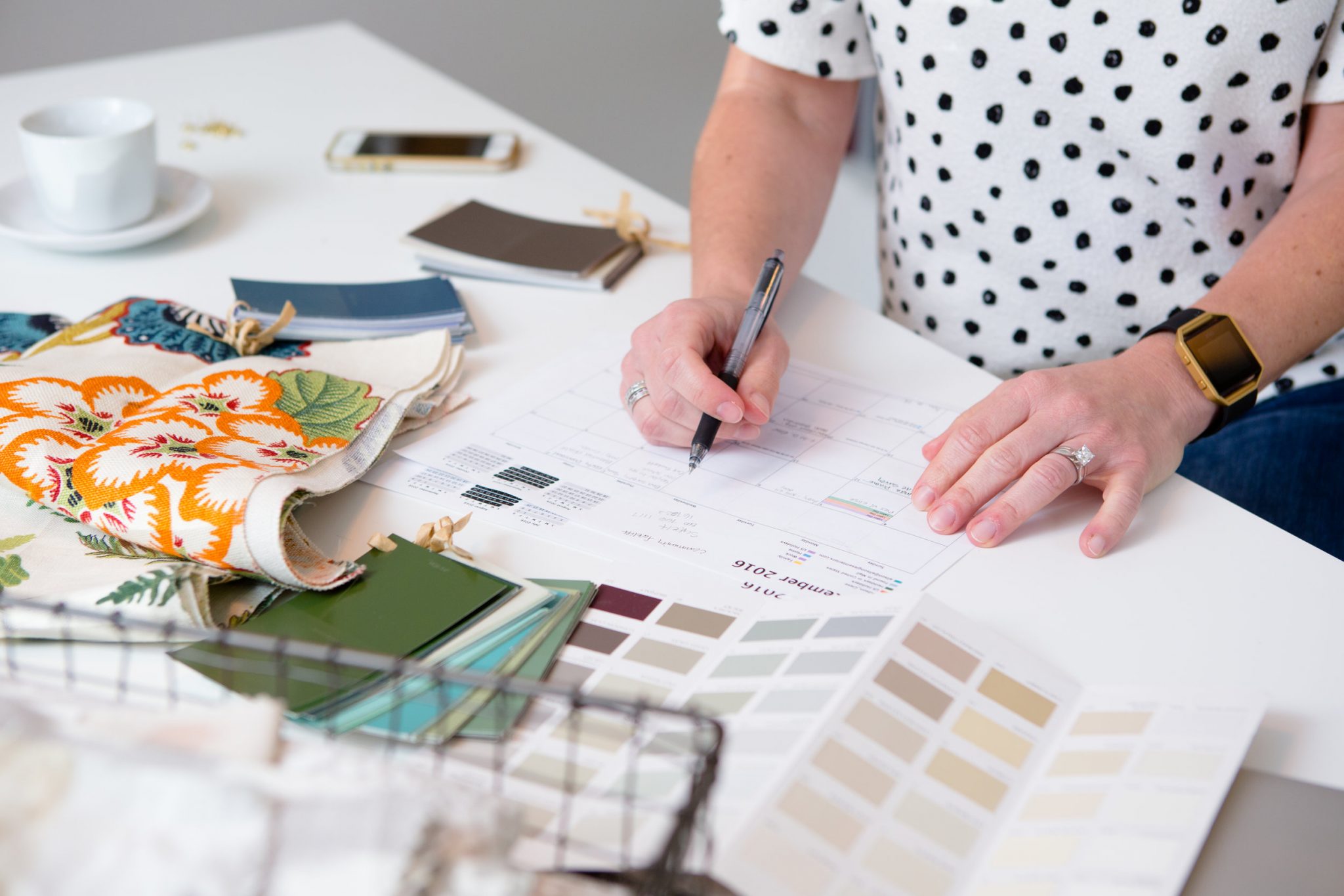
Independent fashion designers are reshaping the global clothing industry by shifting attention away from corporate conglomerates toward craft, material innovation, and personal storytelling. While mass-market retail relies on rapid trend turnover and predictable silhouettes, independent creators operate at a smaller scale, allowing them to experiment with construction methods and ethical sourcing practices that major brands often bypass.
Understanding this shift requires examining how independent studios function, the challenges their founders face, and the specific design philosophies driving modern collections. Whether you're a designer looking to launch an independent label or a consumer trying to understand why contemporary fashion feels so fragmented, looking behind the studio doors reveals a dynamic, demanding ecosystem.
The Reality of Independent Fashion Design
Running an independent label involves far more than sketching garments on paper. Independent creators typically act as creative directors, pattern makers, production managers, and financial planners all at once.
Without the vast supply chains and marketing budgets of multinational conglomerates, independent designers depend on tight operational control. Many work on a made-to-order basis or produce in strictly limited batches. This approach minimizes deadstock and inventory waste, but it introduces cash flow hurdles that require careful management.
Balancing Artistic Vision and Commercial Viability
A primary tension for any independent designer is balancing uncompromised creative expression with wearable commercial viability. If a garment is too conceptual, buyers won't wear it outside of a runway or gallery setting. If it's too commercial, the brand loses the distinctive point of view that attracted its audience in the first place.
Successful independent studios resolve this tension through a core collection approach:
- Anchor Pieces: Wearable, high-quality staples like tailored trousers, slip dresses, or structured jackets that provide steady revenue.
- Statement Pieces: Avant-garde, highly detailed garments that showcase technical skill, capture press attention, and define the brand's aesthetic.
- Capsule Drops: Small, seasonal releases built around a specific fabric innovation or narrative theme, keeping customers engaged without overwhelming production capacity.
Key Design Philosophies Shaping Modern Collections
Today's independent landscape rejects cookie-cutter trends in favor of distinct material and conceptual philosophies. Several recurring approaches define the work of standout contemporary creators.
Material Innovation and Upcycling
Rather than buying virgin fabrics from massive textile mills, many emerging designers source deadstock—surviving fabrics left over from luxury houses or industrial production. Using deadstock transforms a logistical constraint into a creative advantage. It forces designers to work within finite yardages, resulting in unique, one-off garments or very small production runs.
Other studios experiment with alternative textiles, such as plant-based leather substitutes, recycled technical synthetics, and hand-woven artisanal fabrics. For example, a designer might pair stiff industrial nylon with delicate silk organza to create a deliberate contrast between utility and fragility.
Subverting Traditional Tailoring
Classic tailoring follows strict historical rules regarding canvas interlining, shoulder padding, and dart placement. Contemporary designers often dismantle these rules. They might drop armholes for relaxed movement, leave raw edges exposed to highlight the construction process, or design garments with reversible panels that allow the wearer to alter the silhouette.
This deconstructive approach invites the wearer into the creative process. Instead of passive consumption, the garment becomes customizable through adjustable drawstrings, modular attachments, or convertible lengths.
Common Mistakes Emerging Brands Make
Many talented designers struggle or close their doors within the first three years due to predictable operational missteps. Recognizing these pitfalls helps explain why some labels thrive while others fade.
Over-Expanding Too Quickly
When a collection receives sudden media attention or goes viral online, the immediate temptation is to scale production, hire a large team, and pitch major department stores. However, traditional wholesale retail often requires 60 to 90-day payment terms, meaning the brand must fund production months before receiving payment. Rapid scaling without sufficient capital frequently leads to severe cash flow insolvency.
Neglecting Fit Consistency
A striking runway piece doesn't automatically translate into a garment that fits real human bodies. Emerging designers sometimes create samples based on a single fit model, neglecting grading across a full size run. When customers receive garments with inconsistent sizing, return rates soar and brand trust erodes.
Poor Costing and Pricing Models
Many designers underprice their work because they calculate costs based solely on fabric and thread. They forget to factor in studio overhead, equipment maintenance, sample development, packaging, and their own labor hours. Sustainable pricing must reflect the true total cost of production.
Step-by-Step: How Independent Collections Come to Life
The journey from an initial concept to a finished garment follows a rigorous, multi-stage process. Here is how independent studios typically build a collection:
- Research and Moodboarding: The designer gathers visual references, historical garments, architectural photos, and fabric swatches to establish the narrative tone for the season.
- Sourcing and Material Selection: Fabrics and hardware are sourced from mills, deadstock suppliers, or local artisans. Fabric weight and drape dictate which silhouettes are feasible.
- Drafting and Muslins: Initial patterns are drafted on paper or digitally, then tested using cheap cotton fabric called muslin. The designer fits the muslin on a live model to adjust proportions and comfort.
- Sample Construction: The final pattern is cut from the actual chosen fabric and sewn into a finalized sample garment for photo shoots and lookbooks.
- Production and Distribution: Depending on the business model, the studio either sews garments in-house, partners with local ethical manufacturing workshops, or utilizes small overseas ateliers that guarantee fair labor practices.
Frequently Asked Questions
What makes an independent fashion brand different from fast fashion?
Independent brands focus on small-batch production, ethical labor practices, high-quality construction, and original design. Fast fashion relies on mass-producing trend-driven garments quickly and cheaply, often at the expense of environmental sustainability and fair wages.
How do independent designers fund their collections?
Many start with personal savings, self-funded pre-order models where customers pay upfront for upcoming items, or small angel investments. Some designers also apply for arts and cultural grants provided by government bodies or fashion councils.
Why are independent designer clothes more expensive?
The price reflects higher labor costs, premium or sustainable materials, small production runs that lack economies of scale, and fair wages paid to pattern makers and seamstresses rather than exploitative factory labor.
Can independent fashion be sustainable?
Yes, by definition, small-scale production inherently generates less waste than mass manufacturing. Many independent labels amplify this by using deadstock fabrics, organic fibers, and zero-waste pattern-cutting techniques.
Where can consumers discover new independent designers?
Independent designers often showcase their work through specialized digital marketplaces, global trade shows like Pitti Immagine, curated multi-brand boutiques, and direct-to-consumer digital platforms rather than traditional department stores.



