Knowing your true market value changes how you approach career development. Many professionals wait until an annual review or a frustrating job search to think about what they should be earning. Using the Indeed salary calculator allows you to benchmark your compensation against millions of data points, giving you the concrete leverage you need to secure a promotion, pivot industries, or negotiate a better offer.
Market data shifts quickly, and relying on guesswork leaves money on the table. This guide breaks down how to use compensation data strategically to drive your professional trajectory forward, spot skill gaps, and prepare for high-stakes compensation conversations.
Understanding Salary Benchmarking
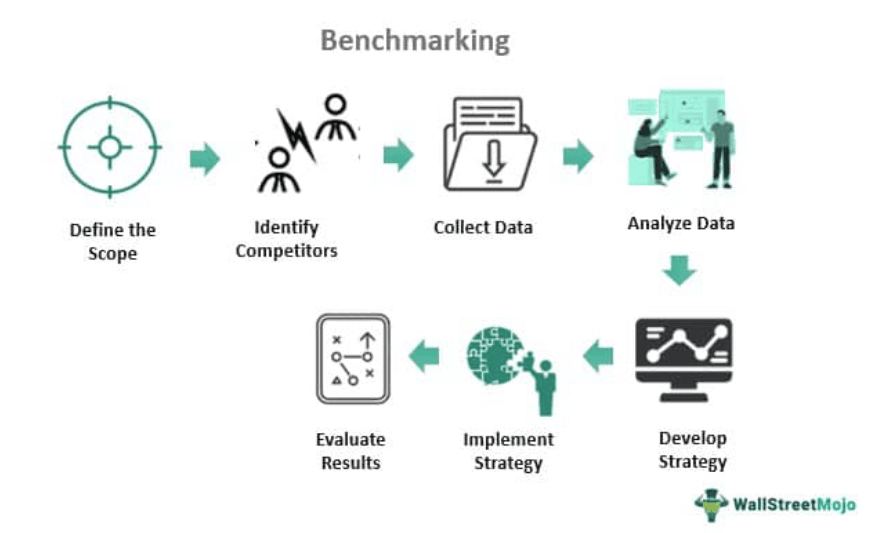
Salary benchmarking is the process of comparing your current compensation package against regional and industry standards for your exact job title and experience level. It gives you an objective baseline grounded in real-world data rather than anecdotal evidence from coworkers.
When you look at aggregated salary figures, you aren't just seeing a single number. You are looking at a pay range that reflects geographic variations, company sizes, and required skill sets.
- The Floor: The entry point for individuals with basic qualifications or minimal experience in the role.
- The Midpoint: The statistical center where professionals with standard proficiency and moderate tenure typically sit.
- The Ceiling: The upper bracket reserved for specialists with rare certifications, advanced leadership duties, or high-demand technical skills.
Finding your spot on this spectrum tells you whether you are underpaid, fairly compensated, or positioned at the top of your market tier.
Step-by-Step: Navigating the Indeed Salary Tool
Getting an accurate estimate requires more than typing in a job title and pressing enter. The tool relies on the inputs you provide to filter through millions of salary reports. Follow these steps to extract reliable data.
- Enter a precise job title: Avoid generic terms like "manager" or "analyst." Use titles that match active job descriptions in your field, such as "Senior Frontend Developer" or "Digital Marketing Manager."
- Set your exact location: Compensation fluctuates wildly by region. A role in New York City or San Francisco carries a very different cost-of-living adjustment than the same role in Boise or Columbus.
- Input years of experience: Experience is the heaviest driver of base pay adjustments. Be honest about your active years in the specific discipline.
- Select core skills and certifications: Add specialized software proficiency, licensures, or technical skills that set you apart from baseline applicants.
Once the tool generates your personalized pay range, export or save the figures alongside a list of the specific skill factors that influenced the higher end of the range.
Identifying Your Skill and Pay Gaps
Once you have your benchmark data, you might notice a gap between your current paycheck and the upper percentiles of your market. This gap points directly to your next professional milestones.
Look closely at job postings for positions paying at the top of your calculated range. What technical tools do they require that you don't use daily? What leadership responsibilities do they mention?
- Credential Gaps: If top earners hold specific industry certifications, prioritize acquiring them over the next six months.
- Scope Gaps: If higher earners manage larger budgets or direct reports, look for opportunities to take on cross-functional project management in your current seat.
- Output Gaps: Document your current measurable impact—such as revenue generated, hours saved, or processes optimized—to prove you operate at a higher tier.
Treat the salary calculator not just as a financial report, but as a curriculum for your immediate career advancement.
Preparing for a Compensation Conversation
Armed with precise market data, you can approach your manager or a prospective employer with confidence. Walking into a meeting with feelings gets you nowhere; walking in with verified regional data changes the dynamic entirely.
Structure your case around market value and expanded responsibilities rather than personal financial needs. Highlight how your contributions have grown since your last review, point out specific market benchmarks for your updated skill set, and ask for a structured plan to bridge any remaining gap if an immediate adjustment isn't feasible.
For further reading on preparing for these discussions, explore the Indeed Career Advice portal for sample negotiation scripts and industry guides, or check official labor data through the U.S. Bureau of Labor Statistics to cross-reference long-term occupational outlooks.
Common Mistakes to Avoid
Using salary tools effectively requires avoiding a few common traps that skew your data or damage your professional credibility.
- Filtering too narrowly: If you add too many niche modifiers at once, the database might return zero results or a sample size too small to trust. Broaden your filters if your initial search yields sparse data.
- Ignoring total compensation: Base salary is only one piece of the puzzle. Factor in health benefits, retirement matching, performance bonuses, and remote work flexibility when benchmarking your total worth.
- Confusing cost of living with market rate: Companies pay based on the value of the labor market in a specific location, not solely on how expensive it is to rent an apartment there. Keep regional demand in mind.
Frequently Asked Questions
How often should I check my market value?
Review your salary benchmarks at least once a year, ideally a month or two before your annual performance review cycle begins. Markets shift rapidly, and keeping your data fresh ensures you never fall too far behind inflation or industry growth.
Is data from online salary calculators reliable?
Yes, provided the platform aggregates millions of direct user reports and job listings rather than relying on tiny sample sizes. Always cross-reference multiple data sources, such as industry associations and government reports, for high-stakes career decisions.
What if my current employer pays below market value?
If your benchmark research proves you are significantly underpaid and your employer refuses to adjust your compensation after a formal review, use your updated skill set to explore external opportunities where your value is fully recognized.



