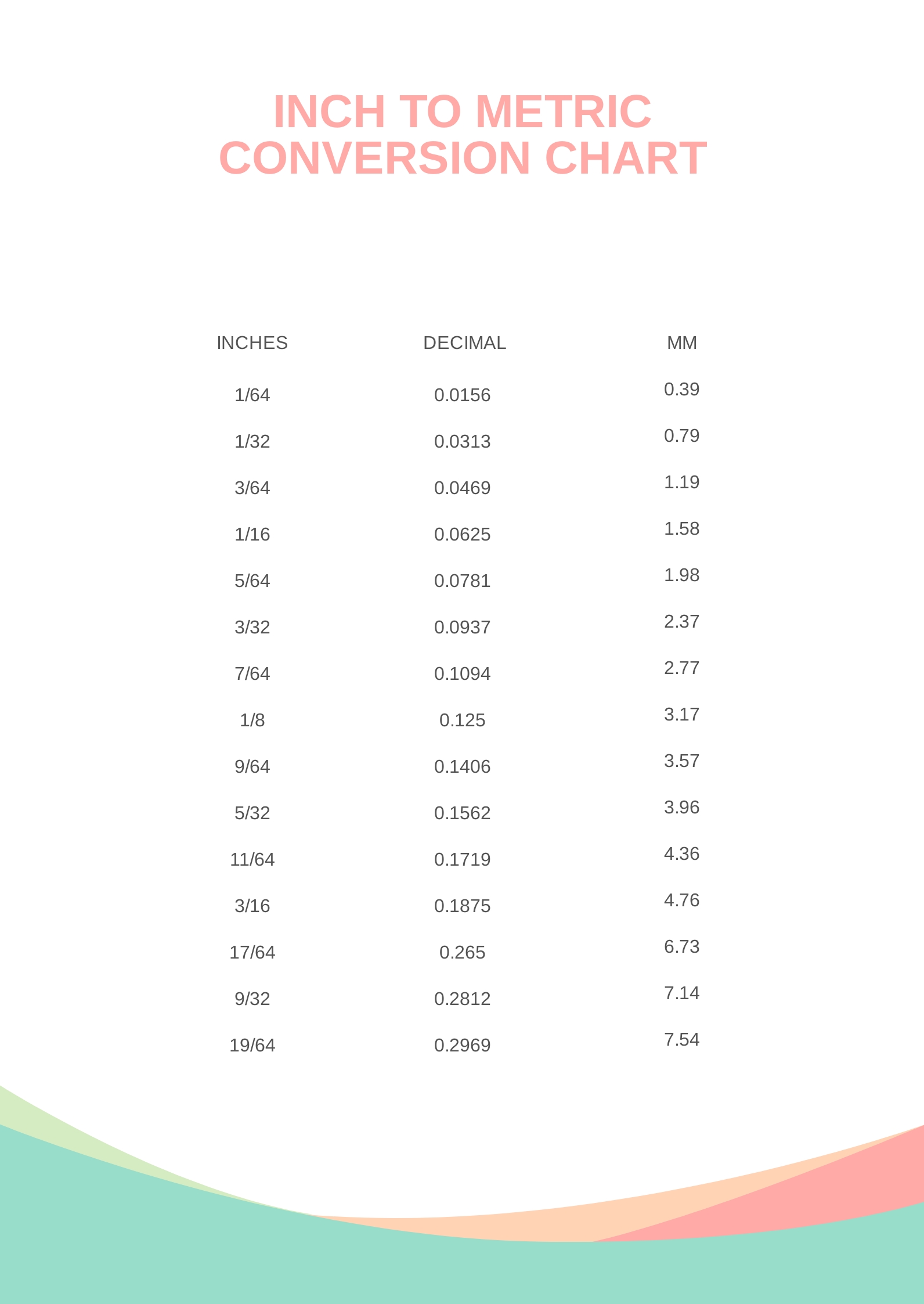
Deciding whether to measure in inches or feet depends entirely on scale, precision, and context. If you're sizing a tight joinery cut on a woodworking project, inches give you the exact granularity you need. If you're calculating the floor area of a living room or marking property boundaries, feet keep numbers manageable and easy to visualize.
Using the wrong unit causes confusion, miscalculations, and wasted materials. This guide breaks down the exact scenarios for choosing inches or feet, handles fractional conversions without the headache, and highlights common measurement traps to avoid in DIY and professional work.
Understanding the Imperial Units
Both the foot and the inch belong to the United States Customary and British Imperial systems, bound by a fixed mathematical ratio.
- Inch (in): Defined as exactly 25.4 millimeters. It's the go-to baseline for small-scale items, fine tolerances, and detailed components.
- Foot (ft): Equal to exactly 12 inches or 0.3048 meters. It serves as the primary standard for medium-to-large spatial dimensions.
Converting between them is simple arithmetic, but knowing when to stick to one unit over the other prevents mental friction. Multiplying feet by 12 gives inches, while dividing inches by 12 gives feet. However, writing "64 inches" on a blueprint for a wall height creates unnecessary mental translation compared to writing "5 feet 4 inches".
When to Use Inches
Inches are the dominant choice when precision matters more than broad scale. Any measurement under twelve inches naturally falls into this category, but inches also extend past twelve when high-precision sub-divisions are required.
Woodworking and Carpentry
In custom cabinetry, framing, and furniture making, whole feet rarely suffice.
- Precise joinery, mortise depths, and trim cuts rely entirely on inch measurements, often broken down into fractions like 1/16 or 1/32 of an inch.
- Standard lumber is purchased by the foot (such as an 8-foot 2x4), but final fabrication cuts happen in inches to ensure tight, seamless joints.
Consumer Technology and Displays
Screen dimensions across smartphones, computer monitors, and televisions are measured exclusively in inches across the diagonal. A 55-inch television is instantly understood by consumers worldwide; calling it a 4.58-foot display adds unnecessary cognitive load without adding clarity.
Tailoring and Apparel
Clothing sizes, waist measurements, sleeve lengths, and inseams use inches. A 32-inch waist doesn't get converted into 2.67 feet because clothing manufacturers and buyers need intuitive, fine-grained control over fit.
When to Use Feet
Feet step in when you're measuring spaces, structures, or distances that span beyond twelve inches. They provide a human-scale mental model for architectural planning, real estate, and outdoor navigation.
Architecture and Interior Design
Room dimensions, ceiling heights, and floor plans are universally communicated in feet and square feet.
- A bedroom measuring 14 feet by 12 feet is easy to visualize. Writing that same room as 168 inches by 144 inches obscures the spatial reality behind massive numbers.
- Real estate listings, zoning laws, and building setbacks rely on feet and acreage.
Human Height and Scale
In everyday conversation and medical contexts, human height uses feet and inches together. Stating that someone is 5 feet 10 inches tall communicates stature clearly, balancing broad scale with specific detail.
Civil Infrastructure and Aviation
Large-scale civil projects—like road widths, bridge clearances, and runway lengths—are measured in feet. For instance, commercial aircraft landing gear and runway distances use thousands of feet to maintain clear, unambiguous communication between pilots and air traffic control.
Handling Mixed Units and Fractions
Mixing units carelessly leads to costly errors on the job site. When writing measurements down, clear formatting prevents costly mistakes.
- Avoid ambiguous decimals: Writing a dimension as "5.5 feet" usually means 5 feet 6 inches, but in engineering decimals, it can cause confusion if team members misinterpret the fraction.
- Use feet-and-inches notation: For heights and architectural dimensions, format clearly as 5'-6" or 5 feet 6 inches.
- Convert early for calculations: If you're adding mixed measurements—like adding a 4-foot board to a 14-inch offcut—convert everything to inches first to prevent math errors.
According to the National Institute of Standards and Technology (NIST), standardizing measurement communication reduces manufacturing and construction discrepancies globally. Maintaining clear unit discipline is a core pillar of professional drafting and project management.
Common Measurement Mistakes to Avoid
Even experienced DIYers and contractors occasionally fall into predictable traps when switching between units.
- Ignoring the tape measure scale: Modern tape measures display both feet and inches, but reading the wrong tick mark can throw off a project by a foot instantly. Always double-check whether the bold foot markers or the smaller inch gradations dictate your cut line.
- Failing to account for blade kerf: When working in inches for carpentry, remember that saw blades remove material (the kerf). Measuring exact inches without factoring in blade width leaves your final pieces slightly short.
- Over-complicating small spaces: Trying to measure small mechanical parts in fractions of a foot leads to cumbersome numbers like 0.083 feet. Stick strictly to inches for anything under twelve inches.
Frequently Asked Questions
Should I use decimals or fractions for inches?
Use fractions (like 1/8 or 1/16) for physical woodworking and construction where analog tools rule. Use decimals (like 0.25 or 0.5) for digital design, machining, and engineering drawings where CNC equipment reads precise decimal inputs.
Why do some industries mix feet and inches while others use only inches?
Industries that deal with human-scale spaces (architecture, construction) use feet because the numbers stay small and digestible. Industries dealing with portable objects, screens, or body dimensions (apparel, tech) use inches because precision below the foot level is critical.
How do I convert inches into feet quickly?
Divide the total number of inches by 12. For example, 54 inches divided by 12 gives 4 with a remainder of 6, which translates to 4 feet 6 inches.
Is it better to use decimal feet or feet and inches in blueprints?
Professional architectural blueprints typically use feet and fractional inches or decimal feet depending on the trade, but civil engineering drawings lean heavily on decimal feet to streamline surveying calculations.



