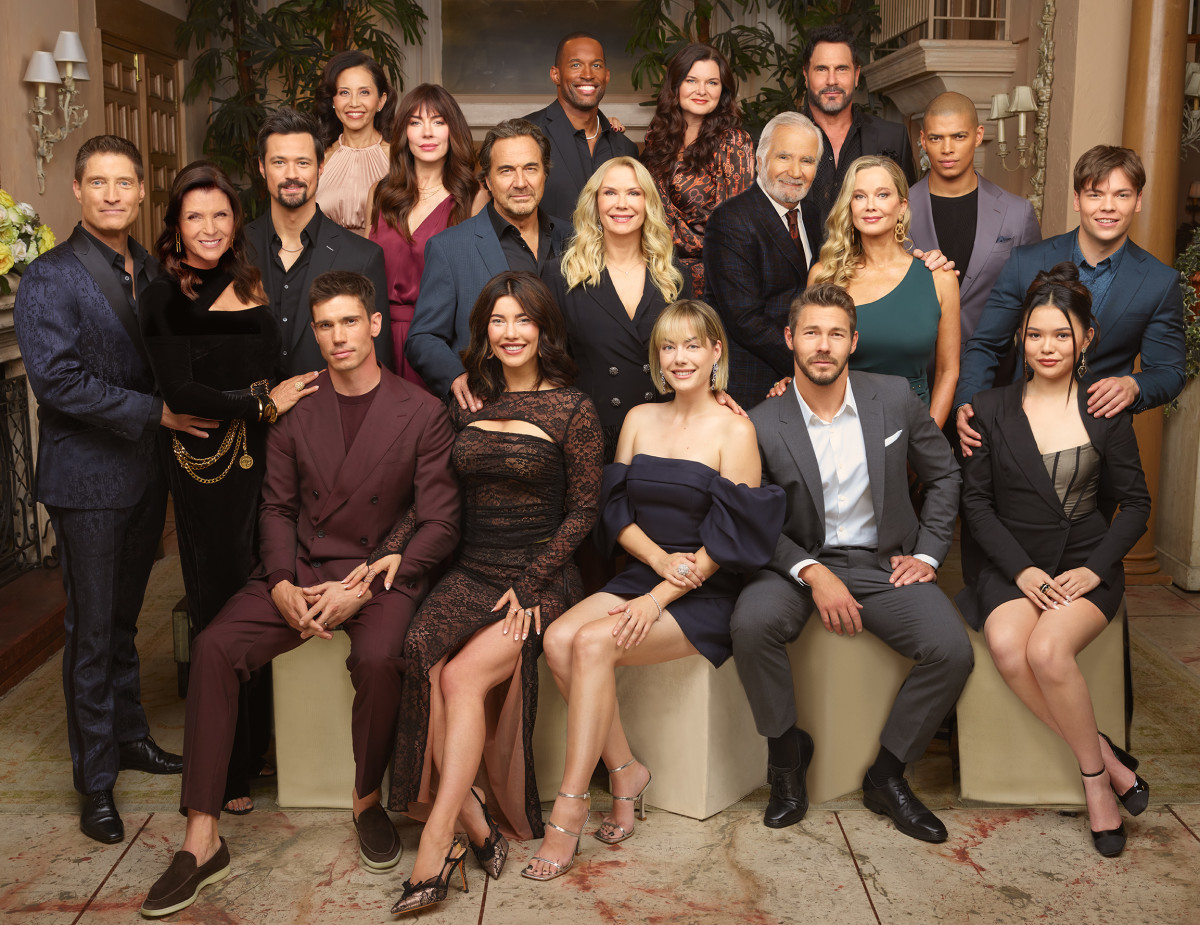
Television changed forever when In the Heat of the Night made the jump from feature film to a long-running television series on NBC and CBS. While the 1967 movie starring Sidney Poitier and Rod Steiger set a high bar, the subsequent TV adaptation (which ran from 1988 to 1995) relied on a powerhouse ensemble cast to anchor its gritty, racially charged Southern procedural. Instead of relying on fast-paced action alone, the show dug deep into the cultural fabric of Sparta, Mississippi, driven by performances that balanced institutional friction with genuine human complexity.
Led by Carroll O'Connor and Howard Rollins Jr., the core cast established a dynamic that modernized the police procedural format. They didn't just solve crimes; they examined the evolving social landscape of the American South. If you're looking to understand how this ensemble redefined the genre, it starts with the careful friction built between Sparta's seasoned police chief and his sharp, big-city-trained detective.
The Principal Duo: Sparta's Complex Core
At the center of In the Heat of the Night stood Chief William Gillespie and Detective Virgil Tibbs. Their professional relationship drove every narrative arc across the series' eight seasons.
Carroll O'Connor as Chief William Gillespie
Carroll O'Connor stepped into the role of Chief Gillespie after defining himself as Archie Bunker in All in the Family. He completely shed that persona to create Gillespie: a stubborn, old-school Southern cop who possessed a hidden core of fairness and profound professional pride. O'Connor didn't play Gillespie as a caricature of a small-town sheriff. He gave him weight, weariness, and a gradual willingness to learn from his peers. O'Connor's influence on the show extended far beyond acting; he became an executive producer and head writer, shaping the moral compass of the series and ensuring that scripts tackled systemic racism, poverty, and local corruption with nuance.
Howard Rollins Jr. as Detective Virgil Tibbs
Howard Rollins Jr. brought intellectual rigor and quiet dignity to Detective Virgil Tibbs. Returning to his home state of Mississippi as a consultant before joining the Sparta police force full-time, Tibbs was cerebral, impeccably tailored, and fiercely principled. Rollins captured the tightrope walk of a Black detective operating within a historically prejudiced community. His performance relied on micro-expressions and controlled frustration, showing a man who refused to let ignorance dictate his standard of justice. Rollins's chemistry with O'Connor provided the series with its emotional and intellectual anchor.
The Supporting Ensemble That Expanded the World
A small-town crime drama lives or dies by its supporting cast, and Sparta's precinct was populated by actors who brought distinct texture to the fictional Mississippi county.
- Alan Autry as Captain Vinton Hebbert "Bubba" Skinner: Autry played Gillespie's loyal, muscle-bound right-hand man. Bubba wasn't just hired muscle; he evolved into a deeply sympathetic character whose tough exterior masked a protective streak and a quiet internal struggle with his own upbringing.
- David Hart as Officer Parker Williams: Hart portrayed the earnest, sometimes naive young patrolman. Parker represented the younger generation in Sparta—less hardened by old prejudices and eager to prove his worth in serious investigations.
- Geoffrey Thorne as Officer Wilson Sweet: Thorne added another vital dimension to the police department as a smart, capable Black officer working alongside Tibbs and the local deputies, normalizing professional integration within the department.
- Denise Nicholas as Harriet DeLong: Nicholas played a councilwoman, newspaper publisher, and eventual romantic interest for Virgil Tibbs. Her character injected crucial political and social storylines into the series, bridging the gap between municipal leadership and police operations.
Behind-the-Scenes Tension and Production Realities
The powerhouse performances on screen were often matched by intense production realities behind the camera. Transitioning the show from NBC to CBS in 1991 shifted the shooting location from Baton Rouge, Louisiana, to Covington, Georgia, altering the physical look of Sparta while keeping its atmosphere intact.
Furthermore, Howard Rollins faced personal and health challenges during the later seasons, leading to his temporary absence and eventual departure from the series, with actor Carl Weathers stepping in as Chief Hampton Forbes. Despite these behind-the-shelf production hurdles, the ensemble maintained a consistent level of dramatic tension that kept viewers hooked for 146 episodes.
Frequently Asked Questions
Why did Howard Rollins leave In the Heat of the Night?
Howard Rollins faced recurring legal troubles and health issues during the later seasons of the show. These challenges led to his temporary suspension and eventual departure in 1993, after which Carl Weathers joined the cast as a new central law enforcement figure.
Was the TV series based directly on the movie?
Yes, the television series is a spin-off of the 1967 Academy Award-winning film starring Sidney Poitier and Rod Steiger, which itself was based on John Ball's 1965 novel of the same name.
Where was In the Heat of the Night filmed?
The pilot and early seasons were filmed primarily around Hammond and Baton Rouge, Louisiana. When the show moved to CBS for its final seasons, production relocated to Covington, Georgia, to save on production costs.
How many seasons did the show run?
The series ran for seven regular seasons and a series of television movies, totaling 146 episodes broadcast between 1988 and 1995.



