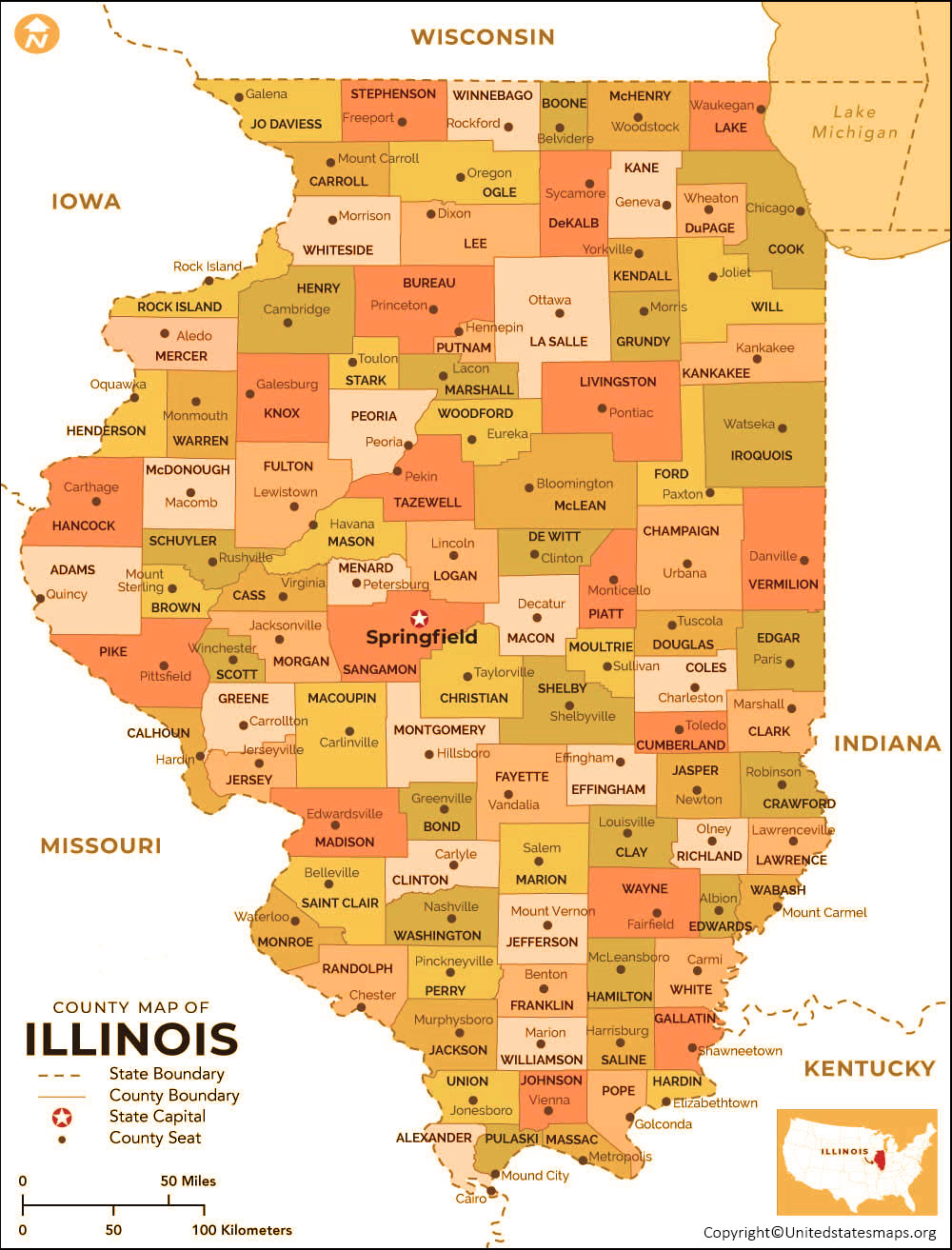
The entire state of Illinois operates on the Central Time Zone. Whether you're navigating downtown Chicago or visiting rural farmland near Cairo, you don't have to worry about internal state boundaries splitting your schedule. Illinois observes Central Standard Time (CST) during the winter months, operating at UTC-6, and shifts to Central Daylight Time (CDT) at UTC-5 during the summer.
Understanding how this schedule functions requires looking beyond basic offsets. From legislative debates over seasonal clock changes to the precise historical standardization of American timekeeping, Illinois sits at a fascinating intersection of commerce, transportation, and solar tracking. Let's break down how time works across the state and what you need to know to keep your schedule aligned.
The Dual Nature of Central Time in Illinois
Illinois doesn't split its clocks internally. Every county, municipality, and township follows the exact same seasonal shifts governed by federal guidelines.
During standard time—running from early November to early March—clocks sit six hours behind Coordinated Universal Time (UTC-6). When spring arrives on the second Sunday of March, the state springs forward one hour, entering Central Daylight Time (UTC-5) until the first Sunday of November. This seasonal adjustment pushes sunset later into summer evenings, providing extra daylight for agriculture, tourism, and outdoor commerce.
For travelers coordinating across state lines, Illinois shares its time zone with neighboring states like Wisconsin to the north, Iowa to the west, and parts of Indiana and Kentucky to the east and south. However, if you cross directly into Michigan or eastern Indiana, you'll jump ahead one hour into the Eastern Time Zone.
Historical Roots of Standardized Time
Before the late 19th century, timekeeping in Illinois was decentralized. Local towns relied on "solar time," meaning noon was determined by when the sun reached its highest point overhead in that specific location. Traveling a mere fifty miles west meant your pocket watch was noticeably out of sync with the town you just arrived in.
The rapid expansion of the railroad industry made this chaotic system unsustainable. Train schedules required rigid synchronization to prevent collisions on single tracks. On November 18, 1883, American railroads adopted standard time zones, dividing the country into distinct hourly slices. Chicago became a vital railway hub for this transition, anchoring the midsection of the country's scheduling network.
Congress later formalized these practices through the Standard Time Act of 1918, cementing the legal framework that places Illinois firmly within the Central zone. You can read more about federal oversight and official time standards through the National Institute of Standards and Technology.
Daylight Saving Time Controversies and Debates
While the switch between CST and CDT is routine, it remains a frequent subject of legislative debate. Lawmakers in Illinois and across the United States regularly introduce bills aiming to abolish seasonal time changes, proposing a permanent stay on either standard time or daylight saving time.
Supporters of ending the clock-shifting routine point to documented spikes in traffic accidents, sleep disruption, and workplace inefficiencies during the weeks immediately following the spring transition. Conversely, opponents argue about the safety concerns of dark winter mornings for children waiting at school bus stops. Despite ongoing state-level discussions and federal proposals like the Sunshine Protection Act, Illinois continues to follow the federally mandated biannual clock change.
Practical Scheduling Across State Borders
If you commute, conduct business, or travel across Illinois borders, managing time offsets requires extra attention. Here is how Illinois compares to adjacent zones during standard winter months:
- Eastern Time Zone: Cities like New York, Detroit, and Indianapolis are one hour ahead of Illinois. When it's 8:00 AM in Chicago, it's 9:00 AM in New York.
- Mountain Time Zone: States like Colorado are one hour behind Illinois. If you're scheduling a call for noon in Springfield, participants in Denver will log on at 11:00 AM.
- Pacific Time Zone: The West Coast is two hours behind Illinois. A 5:00 PM dinner meeting in Chicago aligns with a 3:00 PM check-in in Los Angeles.
These offsets remain consistent even during Daylight Saving Time because most of the United States synchronizes its spring-forward and fall-back dates. To check current global offsets down to the second, consult the World Clock.
Common Misconceptions About Illinois Time
Several persistent myths surround how time is tracked in the Midwest:
- Myth: Chicago is in a different time zone than rural southern Illinois. Fact: The entire state shares the America/Chicago IANA time zone identifier. No regional splits exist.
- Myth: Illinois adopted permanent daylight saving time. Fact: While bills are frequently debated, federal law currently prohibits states from observing permanent daylight saving time year-round without congressional approval.
- Myth: Indiana and Illinois share identical time boundaries. Fact: While western Indiana is on Central Time, a large portion of central and eastern Indiana—including Indianapolis—operates on Eastern Time.
For official details on transportation logistics and regional navigation, check resources provided by the Illinois Department of Transportation.
Frequently Asked Questions
Does any part of Illinois observe Mountain Time?
No. The entire state of Illinois is located strictly within the Central Time Zone. There are no split-zone counties or exceptions.
When do clocks change in Illinois?
Clocks move forward one hour on the second Sunday in March at 2:00 AM, and they move back one hour on the first Sunday in November at 2:00 AM.
What is the difference between CST and CDT?
CST stands for Central Standard Time (UTC-6) and is used during late fall and winter. CDT stands for Central Daylight Time (UTC-5) and is used from March through November to extend evening daylight.
Why does Illinois use Daylight Saving Time?
The practice was implemented nationally to better align waking hours with available daylight, historically intended to save energy and provide safer evening conditions for outdoor activities.



