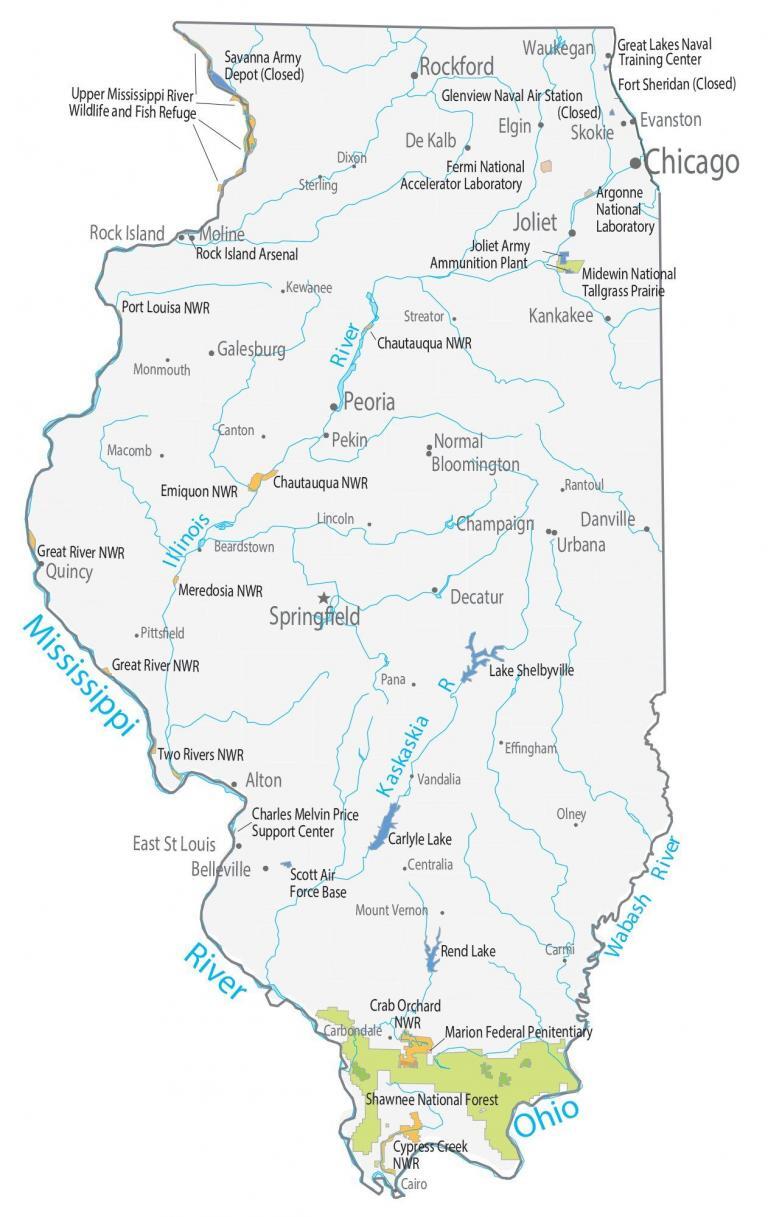
Public sector compensation frequently sparks intense political debates, taxpayer scrutiny, and media headlines. Understanding Illinois state workers salary structures requires peeling back the political rhetoric to examine actual payroll figures, collective bargaining frameworks, and statutory transparency rules. Illinois employs over 200,0ers across dozens of agencies, ranging from entry-level administrative positions to specialized medical administrators and investment directors.
This analysis examines how public salaries are determined in Illinois, where the real money goes, how transparency laws operate, and what recent data reveals about state government compensation trends.
How Illinois State Worker Salaries Are Structured
Compensation for Illinois public employees isn't arbitrary. It is governed by a strict hierarchy of state statutes, administrative rules, and union contracts. The Department of Central Management Services (CMS) oversees the state's formal pay plan, categorizing positions into specific job titles, grades, and steps.
Most state employees fall under collective bargaining agreements negotiated by major labor organizations, most notably the American Federation of State, County and Municipal Employees (AFSCME) Council 31 and the Service Employees International Union (SEIU). These contracts dictate base salary scales, annual step increases, cost-of-living adjustments (COLAs), and overtime structures. For further context on this topic, extensive reporting can be read on The New York Times.
- The Step Plan System: Many state job titles use a graded step structure where employees advance incrementally based on years of satisfactory service until reaching the top step of their classification.
- Collective Bargaining Agreements: Unionized workers negotiate periodic wage enhancements designed to keep pace with inflation and regional labor market shifts.
- Code Departments vs. Universites: While code agencies under the governor follow CMS guidelines closely, state universities and independent boards maintain distinct payroll schedules and governance structures.
The Actual Numbers: What State Employees Really Make
Headlines often focus on six-figure outliers, but the median reality of public sector work in Illinois looks quite different. The average employee salary for the State of Illinois hovers around $88,800 annually, reflecting a workforce that requires professional certifications, specialized technical training, or advanced degrees in fields like public health, engineering, and social services.
However, aggregate averages mask significant variance across departments:
- Executive and Specialized Roles: Top earners in state service typically manage massive portfolios or specialized public funds. For instance, leadership positions within the Illinois State Board of Investments or medical administrators in state health facilities regularly command salaries ranging from $300,000 to over $500,000 per year.
- Administrative and Support Staff: Office associates, program coordinators, and entry-level technicians generally earn between $40,000 and $65,000 annually, depending on geographic location and tenure.
- Public Safety and Corrections: Correctional officers, state troopers, and mental health technicians rely heavily on shift differentials, hazard pay, and overtime opportunities to supplement their base pay.
Evaluating these figures requires keeping state compensation in context with private sector equivalents in the Midwest. While entry-level clerical wages in state government often compete favorably with private employers, top-tier professional roles in IT, law, and finance frequently lag behind corporate counterparts. In exchange, state workers trade higher private sector earning ceilings for defined-benefit pensions and comprehensive health insurance benefits.
Transparency Laws Governing Public Payrolls
Illinois maintains some of the most rigorous public disclosure laws in the United States, driven by a legislative history prioritizing taxpayer access. Public transparency is anchored primarily by two mechanisms: the Illinois Freedom of Information Act (FOIA) and mandatory online state portals.
The Illinois Office of Comptroller hosts a publicly accessible Salary Database. Under statutory requirements like Public Act 100-0253, state agencies must regularly report gross pay, position titles, and individual names to the comptroller's office. Taxpayers, journalists, and researchers can query this database by agency, employee name, or job title to track how public funds are spent.
This transparency creates accountability, ensuring that discretionary pay raises or administrative overages face public scrutiny. It also allows civil servants to verify that their pay scales align with authorized state appropriations.
Trends Shaping Public Sector Compensation
Shifts in the broader economy and labor market directly influence how Illinois recruits and retains state talent. Several notable trends define the current compensation landscape:
- Inflation and Cost of Living Pressures: Persistent inflationary cycles have forced the state to approve more competitive wage reopeners during collective bargaining cycles to prevent high turnover rates among skilled technical staff.
- Remote and Hybrid Work Flexibility: While traditional office jobs required full-time in-person attendance in Springfield or Chicago, agencies now utilize targeted remote work policies as a non-monetary benefit to attract qualified candidates who might otherwise choose the private sector.
- Pension Reform Realities: Because Tier 2 pension benefits—enacted for employees hired after January 1, 2011—provide reduced retirement security compared to Tier 1, recruitment has faced headwinds. Total compensation packages must work harder to attract younger workers who prioritize immediate take-home pay over long-term retirement security.
Common Mistakes When Analyzing State Salaries
When critics or commentators evaluate public payroll data, they frequently fall into analytical traps that distort reality.
- Confusing Gross Pay with Base Salary: High figures in the comptroller database often include retroactive pay, accumulated sick leave payouts upon separation, or extensive overtime. Looking only at gross numbers can make standard positions look artificially inflated.
- Ignoring Geographic Disparities: The cost of living in downtown Chicago differs vastly from downstate rural counties. State salaries must account for these geographic realities, yet statewide averages treat a worker in Cook County the same as one in Sangamon County.
- Overlooking Outsourcing Costs: When states freeze hiring or cap internal salaries, agencies often turn to expensive private contractors to fill critical gaps. Analyzing state employee payroll in isolation misses the broader fiscal picture of contracted labor expenditures.
Frequently Asked Questions
Can anyone look up what an Illinois state worker makes?
Yes. The Illinois Office of Comptroller maintains an online public salary database where anyone can search state employee earnings by name, agency, or job title free of charge.
Are all Illinois state workers unionized?
No. While a substantial majority of frontline, technical, and administrative state employees belong to unions like AFSCME or SEIU, managerial, confidential, and appointed policy-making positions are excluded from collective bargaining.
How are annual pay raises determined for state employees?
Most union-represented workers receive pay adjustments determined by collective bargaining agreements, which typically feature scheduled step advancements and negotiated percentage increases. Non-union personnel are subject to guidelines set by the Department of Central Management Services and executive branch budgeting.
Why do some state employees make more than the governor?
Specialized professionals—such as chief investment officers managing public pension funds, medical directors in state hospitals, and senior legal counsel—require niche expertise that commands high market rates. Capping these salaries at the governor's statutory pay level would make it impossible for the state to recruit qualified experts.


