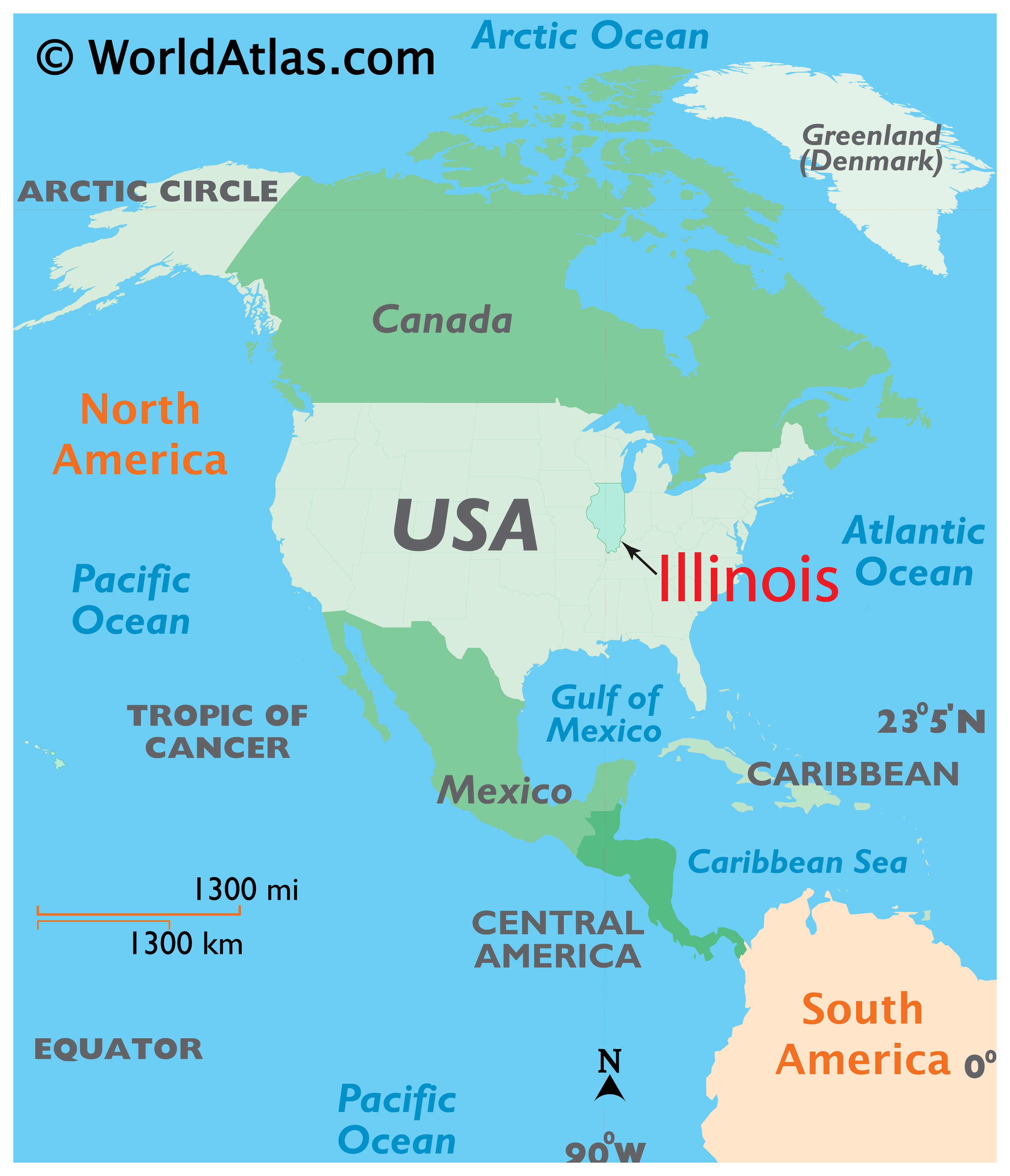
Navigating public sector compensation requires looking past headline numbers into actual pay structures, step increases, and total benefits. In Illinois, state government pay averages roughly $85,689 annually, reflecting distinct bargaining agreements, geographic adjustments, and agency-specific structures that often outpace neighboring Midwestern states. Understanding how these earnings break down helps clarify total remuneration for public workers.
State compensation relies on structured pay plans, collective bargaining frameworks through unions like AFSCME Council 31, and standardized step progressions. While private sector wages shift rapidly with market volatility, state salaries follow rigid schedules defined by classification codes, years of service, and occasionally geographic cost-of-living differentials.
Understanding Illinois State Pay Scales
Illinois state jobs are organized under a formal classification system overseen by the Illinois Department of Central Management Services. Each position carries a designated grade and step that dictates base compensation.
New hires typically start at Step 1 of their respective pay grade. Progression through the steps occurs annually or biennially, depending on collective bargaining agreements and satisfactory performance evaluations.
- Base Pay Grades: Grouped by technical, administrative, professional, or executive duties.
- Step Increases: Incremental raises tied directly to continuous service years within the same title.
- Longevity Increments: Additional pay adjustments awarded after reaching specific long-term service milestones.
Beyond base pay, certain roles qualify for specific differentials. For instance, positions requiring bilingual capabilities often receive a 5% salary differential, and roles involving hazardous duties or odd shifts may include shift differentials.
Bonus Structures and Incentive Pay
Unlike private corporations that heavily rely on performance-based cash bonuses or stock options, state government jobs rarely feature traditional commission or performance bonuses. Instead, extra financial compensation within Illinois state employment usually manifests through specific operational stipends.
- Overtime Pay: Calculated at time-and-a-half for hourly or eligible salaried personnel exceeding standard weekly thresholds, particularly common in the Department of Corrections and Department of Transportation.
- Uniform and Tool Allowances: Annual stipends provided to specific trades, law enforcement, and institutional staff to cover gear maintenance.
- Educational Stipends: One-time or recurring pay bumps for employees who complete specialized certifications, advanced degrees, or continuous professional development programs relevant to their agency.
Because state budgets face strict legislative oversight, merit bonuses are scarce outside of specialized management plans or university research tiers.
Comparing Illinois Pay to Neighboring States
When evaluating Illinois state employee compensation against neighboring jurisdictions—such as Indiana, Iowa, Missouri, Kentucky, and Wisconsin—several structural differences emerge. Illinois generally maintains higher average state worker salaries than its western and southern neighbors, largely driven by strong public sector unionization.
- Missouri: State wages historically lag behind Illinois significantly; historical state comparisons and union analyses point to an average pay gap where Missouri state salaries trail Illinois by tens of thousands of dollars for equivalent administrative roles.
- Indiana and Wisconsin: Both states have experienced legislative shifts limiting collective bargaining rights for public employees over past decades, resulting in flatter wage growth compared to Illinois's union-backed step structures.
- Iowa: Offers competitive mid-range public salaries, but total compensation packages often lean heavily on localized county adjustments rather than uniform statewide schedules.
Cost of living plays a major role in these discrepancies. While Illinois state pay is higher on average, regions like Cook County or the collar counties feature a higher cost of living compared to rural parts of Iowa or Missouri, balancing out the real purchasing power of the paycheck.
Total Compensation: Benefits Beyond the Base Salary
Base salary only tells part of the story. The true value of Illinois state employment often rests in its comprehensive fringe benefit package, which frequently exceeds what comparable private-sector mid-level jobs provide.
- Pension Program: A defined-benefit retirement plan providing guaranteed lifetime income after meeting vesting and age requirements.
- Group Insurance: Comprehensive health, dental, vision, and life insurance plans with substantial state premium contributions.
- Paid Time Off: Standard accrual starting at 10 vacation days annually, alongside 12 paid sick days that roll over, 3 personal business days, and 13 to 14 paid state holidays.
- Parental Leave: Up to 10 weeks of paid maternity and paternity leave for qualifying employees.
Additional programs like pre-tax medical and dependent care assistance plans, tuition reimbursement, and eligibility for the federal Public Service Loan Forgiveness program add substantial indirect financial value.
Common Misconceptions About State Pay
Public sector compensation is frequently misunderstood. Clarifying how these systems operate helps dispel common myths.
- Myth: All state employees make six figures. In reality, entry-level clerical, social service, and support staff start significantly below the state average, which is skewed upward by specialized medical personnel, university professors, and high-level administrators.
- Myth: Raises happen automatically every year. Step increases depend heavily on state budget appropriations and legislative approval. During fiscal crunches, step increases have occasionally been frozen or delayed.
- Myth: State jobs offer no incentive to perform well. While direct cash bonuses are rare, moving through classification upgrades or promoting into senior public service administrator roles provides a clear path for financial growth.
Frequently Asked Questions
Where can I check exact salaries for Illinois state workers?
Exact, searchable salary records for individual public employees are publicly available through databases managed by the Illinois Office of the Comptroller. Third-party transparency platforms like OpenTheBooks also track these public payrolls.
Do Illinois state employees get annual cost-of-living adjustments?
Cost-of-living adjustments (COLAs) are not guaranteed annually; they are negotiated periodically through collective bargaining agreements between state unions and the administration.
Are state employee pensions still defined-benefit plans?
Yes, though the specific tier (Tier 1 or Tier 2) depends on your hire date. Tier 2 applies to employees hired after January 1, 2011, featuring different retirement ages and calculation formulas than older legacy tiers.
How do benefits impact the total compensation value?
State benefits typically add 30% to 40% in total compensation value on top of the cash salary when factoring in the state's pension contributions, low-cost health insurance premiums, and generous paid time off.



