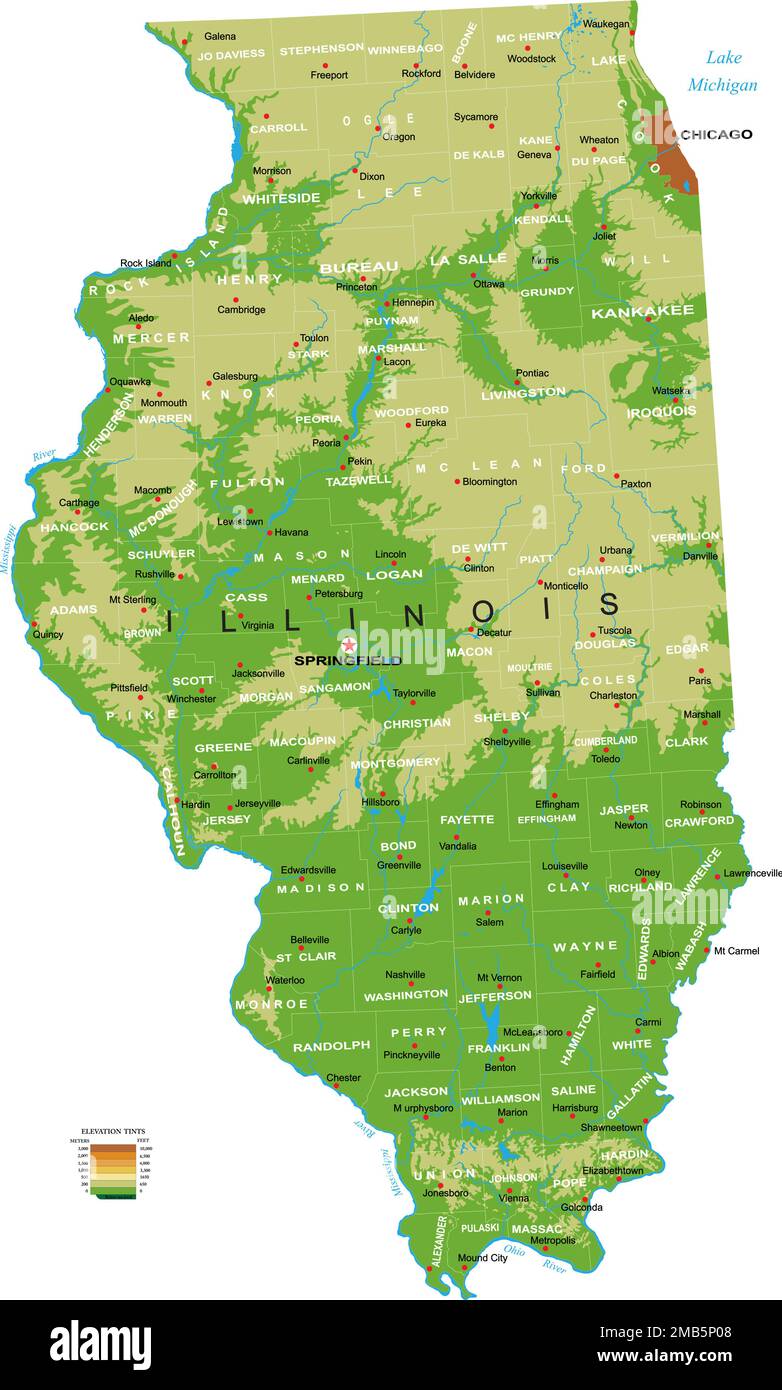
Accessing public sector compensation records in Illinois is entirely legal, free, and open to any citizen. If you want to know exactly what state, county, or municipal employees earn, the official Illinois state databases and independent watchdog portals provide searchable records covering base pay, overtime, and total compensation.
Finding these records requires knowing which database corresponds to which level of government, as state employees, public university staff, and local municipal workers are housed in separate systems. Here's a direct guide on where to look, how to query the data effectively, and what specific compensation metrics mean.
Where to Find Official Illinois Salary Records
Unlike private companies where employee earnings are strictly confidential, public servants in Illinois are funded by taxpayers. Because of this, their compensation is a matter of public record under the Illinois Freedom of Information Act.
The primary official portals depend on which sector of government you are investigating:
- State Agencies and Code Departments: The Illinois Office of the Comptroller maintains the official state payroll records. Their public portal lets you search state agency employees by name, agency, or job title.
- Public Universities and Higher Education: Universities like the University of Illinois and Southern Illinois University publish independent payroll disclosures or report detailed personnel expenditures through the State Universities Civil Service System.
- Local Governments and Municipalities: City workers, county employees, and local police or fire departments do not always appear on the state comptroller's database. Instead, individual local governments publish annual compensation reports, or you can find them aggregated on independent transparency projects.
One of the most comprehensive independent trackers used by journalists and researchers is The Better Government Association (BGA), which compiles public payrolls across multiple taxing bodies into a single, searchable interface.
Step-by-Step Guide to Searching the Database
Navigating public payroll databases can yield thousands of irrelevant results if you don't use the right search parameters. Follow these steps to target specific employees or analyze department-wide spending.
- Identify the employing agency: Don't just type a common last name into a statewide search. Narrow your target by knowing whether the person works for the Department of Transportation, a state university, or a specific county sheriff's office.
- Use exact name syntax: Enter last names followed by first names or initials when the system allows quotation searches to avoid sorting through dozens of homonyms.
- Filter by fiscal year: Public sector budgets operate on fiscal years rather than calendar years. Make sure you select the correct period (Illinois' fiscal year runs from July 1 through June 30).
- Export to CSV: For deep-dive analysis, don't rely solely on web pagination. Use the database's export function to download raw data into a spreadsheet program so you can sort by total gross pay, overtime, or department averages.
Understanding What Government Pay Figures Actually Include
When you pull up an employee's record, you'll typically see several distinct financial columns. Misinterpreting these categories is the most common mistake amateur researchers make.
- Base Salary: This is the contracted annual rate of pay agreed upon through collective bargaining or legislative salary schedules. It doesn't reflect what the employee actually took home if they left mid-year or worked overtime.
- Overtime Compensation: Common in departments like transportation, corrections, and municipal emergency services. In some agencies, overtime pushes total compensation well past base pay.
- Allowances and Stipends: Uniform allowances, hazardous duty stipends, or educational incentives that modify the base wage.
- Total Gross Pay: The actual sum paid to the employee during the fiscal year. This is the definitive number for what they cost taxpayers in cash compensation.
- Employer-Paid Benefits: Health insurance contributions, pension pickups, and social security contributions paid by the agency are usually tracked separately from gross pay. A complete look at public compensation must factor in these pension liabilities, which often add 20% to 40% to an employee's total cost.
Common Mistakes When Analyzing Public Salaries
Jumping to conclusions based on raw numbers leads to poor reporting and flawed conclusions. Watch out for these three pitfalls.
First, don't assume a high gross salary means an inflated base rate. If a highway maintainer logged hundreds of emergency overtime hours during a severe winter storm, their high paycheck reflects extraordinary hours worked, not an inflated hourly wage.
Second, watch out for duplicate names. Common names will frequently appear multiple times across different state departments if individuals changed jobs or worked part-time secondary roles within the public sector. Always verify the agency and position title.
Third, remember that gross pay figures don't account for geographical cost of living differences. A salary that looks substantial in rural southern Illinois represents a vastly different purchasing power than the same wage in downtown Chicago or suburban Cook County.
Frequently Asked Questions
Is it legal to look up Illinois government salaries?
Yes. All public employee compensation funded by taxpayer dollars is public record under the Illinois Freedom of Information Act.
Why can't I find a municipal police officer or city worker on the state comptroller's database?
Municipalities, school districts, and county governments maintain their own payroll systems separate from the state comptroller. You must check local government disclosure reports or independent watchdog aggregators for municipal workers.
Do public university professors' research grants count as state salary?
University databases often separate state-funded base salaries from external research grants, clinical practice income, or athletic department revenue. Total compensation disclosures capture the full picture, but parsing the funding source requires looking at university board of trustees budget approvals.
How often is the public salary database updated?
State payroll records are typically updated monthly or quarterly depending on the agency, while comprehensive annual updates occur at the close of each fiscal year.


