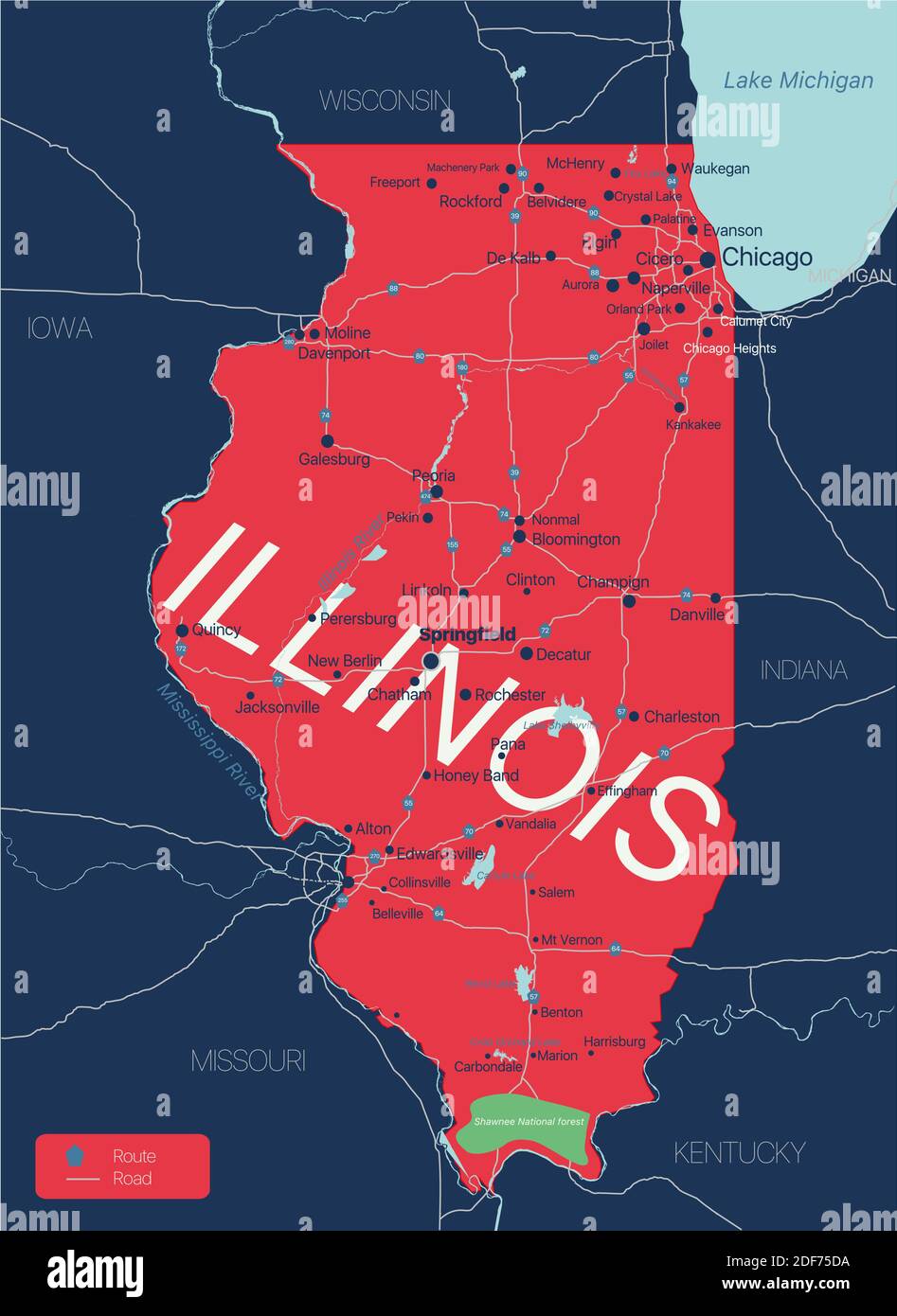
Navigating Illinois roadways safely requires a solid grasp of state traffic statutes, vehicle operation protocols, and shared responsibilities with pedestrians and cyclists. Whether you're preparing for the written DMV knowledge exam, converting an out-of-state license, or brushing up on state statutes, understanding the core tenets of the Illinois Rules of the Road keeps you legally compliant and reduces accident risks.
State regulations dictate strict compliance regarding seat belts, right-of-way sharing, and speed management. Knowing these parameters before you get behind the wheel prevents costly fines, points on your record, and license suspensions.
Core Driver Responsibilities and Licensing Mandates
Operating a motor vehicle in Illinois carries legal accountability starting from the moment you enter the driver's seat. Every driver and passenger must wear a safety belt, regardless of where they sit in the vehicle. The sole exemption applies to individuals carrying a signed physician's statement on official letterhead detailing a medical contraindication.
For new residents or teenage drivers entering the Graduated Driver Licensing (GDL) framework, compliance involves strict phase tracking. Teens aged 16 to 17 must complete 50 hours of supervised driving, including 10 hours at night, before testing for their initial license. Furthermore, identification standards require keeping your credentials updated, and if you board domestic flights, checking real ID compliance through the Illinois Secretary of State ensures you meet federal travel benchmarks.
Essential Illinois Traffic Laws and Speed Regulations
Speed limits across the state shift dynamically based on the classification of the roadway. Recognizing these thresholds prevents hazardous pacing mismatches.
- Interstates and Tollways: The maximum speed limit is typically 70 mph where posted.
- Highways and Rural Roads: Standard state highways cap maximum speeds at 55 mph.
- City Streets and Urban Areas: Standard municipal limits default to 30 mph unless otherwise posted.
- School Zones: Speeds drop strictly to 20 mph when children are present or school zone flashers operate.
Driving significantly below the posted limit can also trigger violations if it obstructs the normal flow of traffic. For example, traveling at 15 mph in a 30 mph zone without mechanical justification creates a rolling road hazard.
Right-of-Way and Intersection Protocols
Intersection collisions represent a major share of urban accidents. Illinois law applies clear structural rules to govern who moves first. At standard four-way stops, the vehicle that arrives first claims the right of way. If two or more vehicles arrive simultaneously, the driver on the right proceeds first.
When turning left across oncoming traffic, you must yield to all approaching vehicles and pedestrians until an absolute gap permits a safe maneuver. Similarly, rolling stops—failing to bring the vehicle to a complete standstill behind the painted stop line or crosswalk—constitute an automatic failure on official DMV driving examinations.
Turn Signals, Lane Discipline, and Parking Rules
Signaling isn't optional courtesy; it's a legal mandate governing continuous vehicle control. Illinois law mandates activating turn signals before executing any turn, pulling away from a curb, entering a private driveway or parking lot, or shifting lanes.
- Lane Integrity: Never weave back and forth across center lines. On unmarked roads, stay firmly on the right side of the road layout.
- One-Way Transitions: When turning onto a one-way street, steer directly into the nearest lane heading in your direction of travel before evaluating subsequent lane changes.
- Hill Parking: When parking on a hill with a curb, turn your wheels sharply away from the curb if facing uphill, or toward the curb if facing downhill, and engage your parking brake fully.
Sharing the Road: Pedestrians, Bicyclists, and Work Zones
Road safety extends past passenger cars to vulnerable transit participants. Drivers must maintain an acute awareness of non-motorized traffic.
Vulnerable Road Users
Pedestrians utilizing crosswalks hold absolute right of way. If a pedestrian is navigating an unmarked crosswalk at an intersection, motorists must yield. When dealing with bicyclists, drivers must give wide clearance and exercise caution during wet or icy weather. Before opening roadside doors, drivers must check mirrors and blind spots for approaching cyclists to prevent "dooring" accidents.
Work Zone Navigation
Construction zones feature heavily enforced penalties. Speed limits drop in designated zones, and speeding fines double automatically. Failsafe attentiveness is mandatory, as highway workers operate inches away from active traffic lanes.
Zero Tolerance and Distracted Driving Sanctions
Illinois maintains uncompromising statutes regarding driver impairment and electronic distraction.
Handheld mobile device usage while operating a vehicle is strictly illegal. Drivers of any age may only utilize factory-installed or aftermarket hands-free speakerphone systems and voice-operated accessories. Texting, browsing social media, or manually typing addresses into a GPS unit while the car is in motion results in steep fines and license points.
For alcohol and controlled substances, the legal Blood Alcohol Concentration (BAC) threshold for drivers aged 21 and older is 0.08 percent. For drivers under 21, the state enforces a strict Zero Tolerance policy; any trace of alcohol or illicit substances detected in an underage driver's system leads to immediate driving privilege suspension.
Frequently Asked Questions
What happens if I fail the Illinois DMV written knowledge test?
If you fail your written permit or license exam, you can retake it on a subsequent visit following state waiting period guidelines. Reviewing the official Illinois Driver Services resources and practice tests helps bridge knowledge gaps before your next attempt.
Can I turn right on red in Illinois?
Yes, you can turn right on a red light after coming to a complete stop and yielding to oncoming traffic and pedestrians, unless a posted sign explicitly states "No Turn on Red."
How far away from a fire hydrant must I park?
Illinois parking regulations prohibit parking within 15 feet of a fire hydrant to ensure emergency vehicles maintain unobstructed access during fires.
Are rear-facing car seats mandatory for infants?
State law requires children under the age of 2 to ride in a rear-facing child restraint system unless they outgrow the weight or height limits specified by the car seat manufacturer.


