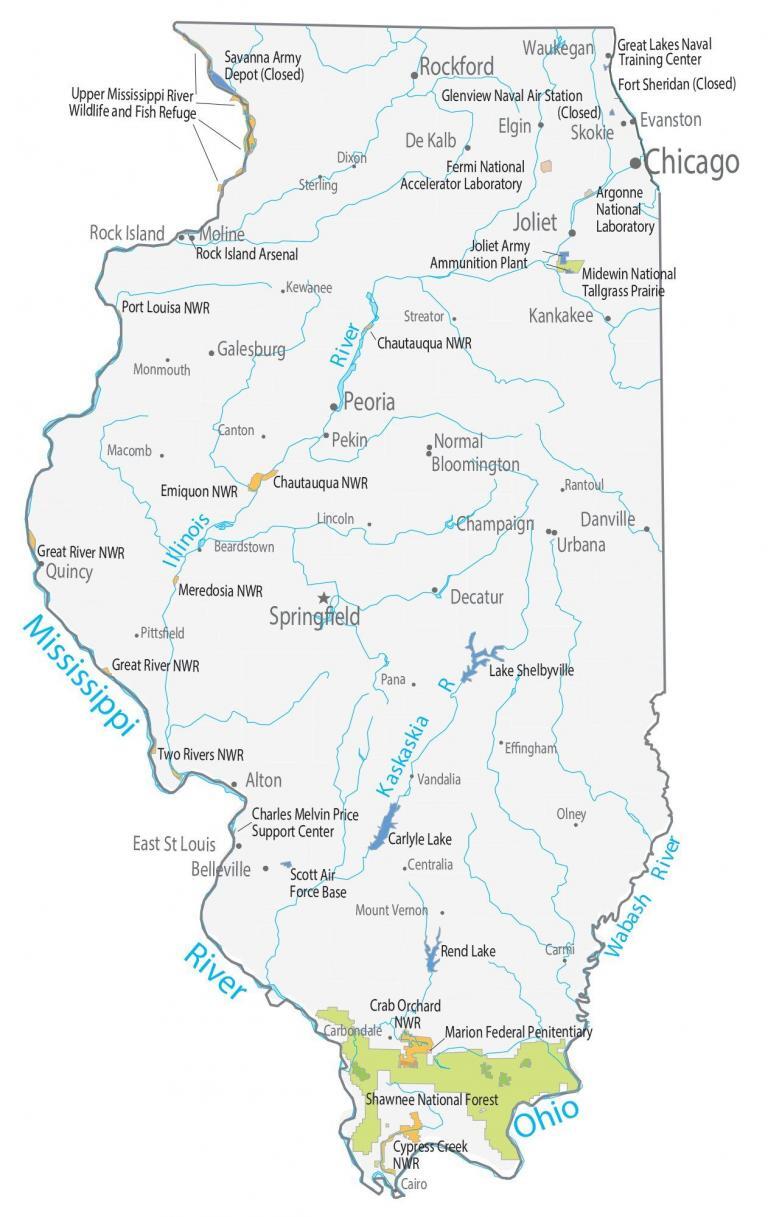
Public compensation in Illinois stands as one of the most scrutinized fiscal landscapes in the United States. Taxpayers frequently examine state payrolls due to ballooning pension obligations, complex collective bargaining agreements, and structural budget deficits. Understanding these financial commitments requires looking past headline figures to examine the hidden liabilities that shape public sector spending across the state.
The debate over state payrolls centers on a delicate balance between retaining skilled public servants and protecting taxpayers from unsustainable long-term debt. State agencies, local municipalities, and school districts employ hundreds of thousands of workers, creating a massive recurring operational expense. While average salaries often mirror or slightly exceed private-sector counterparts in similar administrative roles, total compensation packages—which include health insurance and defined-benefit pensions—create distinct fiscal pressures that persist long after employees retire.
The Structure of Illinois Public Pay
State and local government compensation in Illinois derives from a mix of legislative mandates, civil service classifications, and union negotiations. The Illinois Comptroller maintains a transparent public salary database that lists individual earnings, positions, and agency allocations.
Average wages for state employees hover around $70,000 annually, though figures vary drastically depending on the sector. Higher education institutions like the University of Illinois and specialized agencies such as the Department of Corrections or the Department of Children and Family Services feature higher average payouts due to specialized staffing requirements and around-the-clock operational demands.
- Base Salaries: Established through standardized pay scales that account for tenure and job classification.
- Overtime and Stipends: Common in public safety, transit, and correctional facilities, often pushing total cash compensation well above base rates.
- Fringe Benefits: Comprehensive medical, dental, and life insurance plans heavily subsidized by taxpayers.
The Hidden Long-Term Liability: Pensions
The most significant financial challenge tied to public compensation in Illinois isn't current payroll—it's the massive unfunded pension liability. Illinois operates multiple state-funded retirement systems, including the State Employees' Retirement System (SERS) and the Teachers' Retirement System (TRS). Decades of underfunding, overly optimistic investment return assumptions, and constitutional protections that prevent diminishing pension benefits have created a structural deficit measured in tens of billions of dollars.
When government entities promise robust defined-benefit pensions without setting aside adequate annual contributions, the debt compounds. Consequently, a substantial portion of the state budget goes toward paying down pension debt rather than funding infrastructure, education, or social services. Taxpayers bear this burden through state income and property taxes, which rank among the highest in the nation.
Collective Bargaining and Public Sector Unions
Public sector unions wield substantial influence over compensation policies in Illinois. Legislation passed over the years has granted robust collective bargaining rights to state employees, teachers, and municipal workers. These negotiations frequently encompass not just wage increases, but also step-increases based on longevity, healthcare cost-sharing ratios, and work rule protections.
While union representation ensures fair wages and protects workers from arbitrary dismissal, it also limits the executive branch's flexibility during fiscal downturns. When tax revenues drop, public compensation expenses remain largely rigid because of multi-year labor contracts. This rigidity forces leaders to choose between raising taxes, cutting public services, or deferring infrastructure maintenance.
Transparency and Sunshine Portals
Public pressure has driven significant improvements in government transparency. Platforms like the Illinois Comptroller's Salary Database allow citizens to search payroll records by agency, name, or job title. This level of public disclosure helps deter payroll padding and ensures taxpayer funds face continuous scrutiny.
However, raw salary data only tells part of the story. True transparency requires combining cash compensation figures with actuarial data on pension accruals and healthcare liabilities. Without factoring in these deferred costs, citizens cannot evaluate the true multi-year cost of maintaining a public workforce.
Common Misconceptions About State Pay
Public debates on government compensation frequently rely on generalizations that overlook structural realities.
- The "Overpaid Bureaucrat" Myth: While top-tier administrators and specialized professionals earn high salaries, entry-level administrative staff and lower-tier social workers often earn wages comparable to or lower than private-sector equivalents.
- Guaranteed Wealth: Not all public employees receive lavish retirements. Employees hired after legislative tier reforms face stricter retirement ages, lower benefit formulas, and reduced cost-of-living adjustments.
- Zero Accountability: Public employees operate under strict oversight, civil service exams, and public reporting requirements that private workers rarely encounter.
Frequently Asked Questions
How do Illinois government salaries compare to the private sector?
Base salaries for routine administrative roles are often comparable to private-sector averages. However, total compensation—factoring in job security, health benefits, and traditional pensions—frequently exceeds equivalent private-sector positions, particularly for mid-to-late career employees.
Why is the Illinois pension debt so high?
Decades of skipped or reduced legislative payments into the pension funds, combined with compound interest and investment market volatility, created an immense structural deficit. State constitutional clauses have historically barred lawmakers from reducing existing pension benefits, leaving few options for rapid debt reduction.
Can taxpayers look up individual government salaries in Illinois?
Yes. The Illinois Office of the Comptroller provides a public, searchable database containing annual earnings, agency details, and position titles for state employees. Municipalities and school districts also publish local compensation reports under state transparency laws.
What is the difference between pension tiers in Illinois?
Illinois enacted structural pension reforms by creating multiple "tiers" for public employees based on their hire date. Newer tiers feature higher retirement ages, capped pensionable earnings, and reduced annual benefit adjustments, which lessen the long-term financial impact on future taxpayers compared to legacy tiers.


