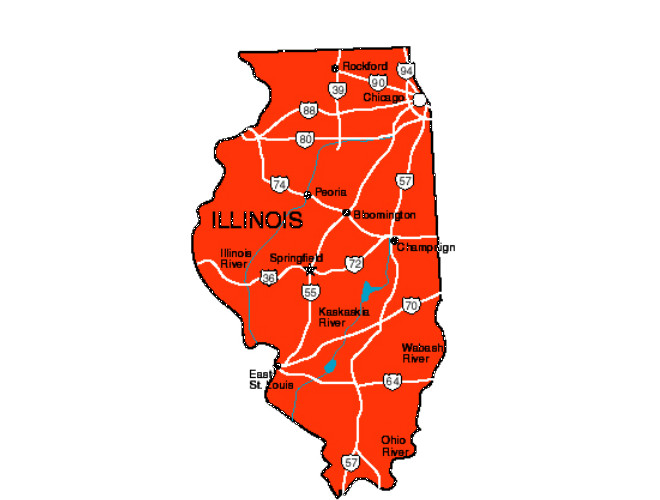
Navigating public sector compensation across the Prairie State requires looking closely at official figures, transparent records, and regional economic disparities. If you want to understand how public tax dollars translate into state worker take-home pay, the numbers tell a complex story of regional cost-of-living adjustments, agency distributions, and statutory reporting standards. Understanding these structures helps taxpayers, researchers, and job seekers evaluate the real value of government employment in Illinois.
Every public worker's paycheck issued by state agencies is a matter of public record, managed primarily through platforms like the Illinois Office of the Comptroller and the Illinois Transparency and Accountability Portal. Average government earnings in the state hover around $70,000 to $88,000 annually, depending on whether local municipal roles, public university staff, or state-level departments are included in the baseline calculation. Let's break down how these figures are structured, where the highest concentrations of public spending occur, and how you can look up specific records yourself.
How State Compensation is Structured in Illinois
Public sector wages in Illinois are shaped by collective bargaining agreements, state legislative budgets, and local tax revenues. Unlike the private sector, where compensation fluctuates quietly based on corporate performance, government pay schedules are bound by strict statutory frameworks.
The state workforce includes positions across diverse sectors:
- Human services and public health administration
- Corrections and law enforcement
- Higher education faculty and support staff
- Transportation and infrastructure maintenance
- Municipal and county administrative services
Compensation packages generally consist of a base rate determined by civil service classification grades, step increases based on years of service, and comprehensive health or retirement benefits provided through state-sponsored pension systems. While base salaries might occasionally lag behind private sector counterparts in specialized technology fields, public benefits often balance the total compensation equation.
Accessing Public Payroll Records
Because transparency laws mandate open access to government spending, anyone can examine public salaries down to the individual employee level. The primary tools for auditing these figures include official state databases that update regularly with gross fiscal year earnings, positions, and agency designations.
To look up specific public salaries effectively, follow these steps:
- Navigate to the official Illinois Office of the Comptroller Salary Database portal.
- Select the specific issue year you want to examine, such as the most recent completed fiscal reporting cycle.
- Enter search parameters such as the employee's last name, first name, specific state agency, or job title.
- Review the returned records to evaluate the individual's rate of pay, year-to-date gross earnings, and last recorded disbursement.
Cross-referencing these records with the Illinois Transparency and Accountability Portal allows you to see broader agency expenditures alongside personnel costs, offering a complete picture of how public funds operate.
Key Sectors and Average Earnings
Salary distributions vary significantly across different state departments. Higher education institutions, such as the University of Illinois system, often report higher average figures due to the inclusion of medical professionals, specialized researchers, and tenured faculty. Conversely, administrative and entry-level clerical roles across departments like the Secretary of State's office scale closer to median regional income brackets.
Corrections and human services employ some of the largest volumes of personnel across the state. While frontline workers handle demanding environments, hazard pay, overtime structures, and shift differentials frequently push gross annual earnings above baseline base pay rates. Large metropolitan entities like the City of Chicago and the Chicago Transit Authority maintain separate municipal payroll structures that often exceed statewide state-agency averages due to urban cost-of-living adjustments.
Common Misconceptions About Public Paychecks
A frequent point of confusion among taxpayers involves misinterpreting gross year-to-date earnings as fixed annual base salaries. Overtime hours, retroactive pay adjustments resulting from delayed union contracts, and accumulated unused vacation payouts upon separation can artificially inflate an individual's earnings for a single calendar year.
Another misconception is that all government employees enjoy identical pay scales regardless of location. In reality, a public safety worker or administrative specialist stationed in Cook County or the collar counties typically receives locality adjustments or higher standardized schedules compared to counterparts in rural southern Illinois, reflecting stark differences in local housing markets and consumer costs.
Frequently Asked Questions
Are all Illinois government salaries searchable online?
Yes. State law mandates that earnings for individuals paid out of state funds or local tax revenues must remain accessible to the public through searchable databases maintained by the state comptroller and local governmental units.
Why do some public employee salaries look exceptionally high in a given year?
Spikes in gross earnings usually result from accumulated overtime, back pay from newly ratified collective bargaining agreements, or cash payouts for accrued sick and vacation time upon retirement or resignation.
Do public university employees count as state employees?
Yes. Staff, administrators, and faculty members at public universities like the University of Illinois and Southern Illinois University are funded in part by public revenues and are included in official state salary disclosures.
How do Illinois public wages compare to private sector averages?
While entry-level administrative positions in government often match or slightly exceed private market floors, executive and highly specialized technical roles in the public sector frequently trail behind private corporate equivalents, though this gap is often offset by robust pension and health benefits.


