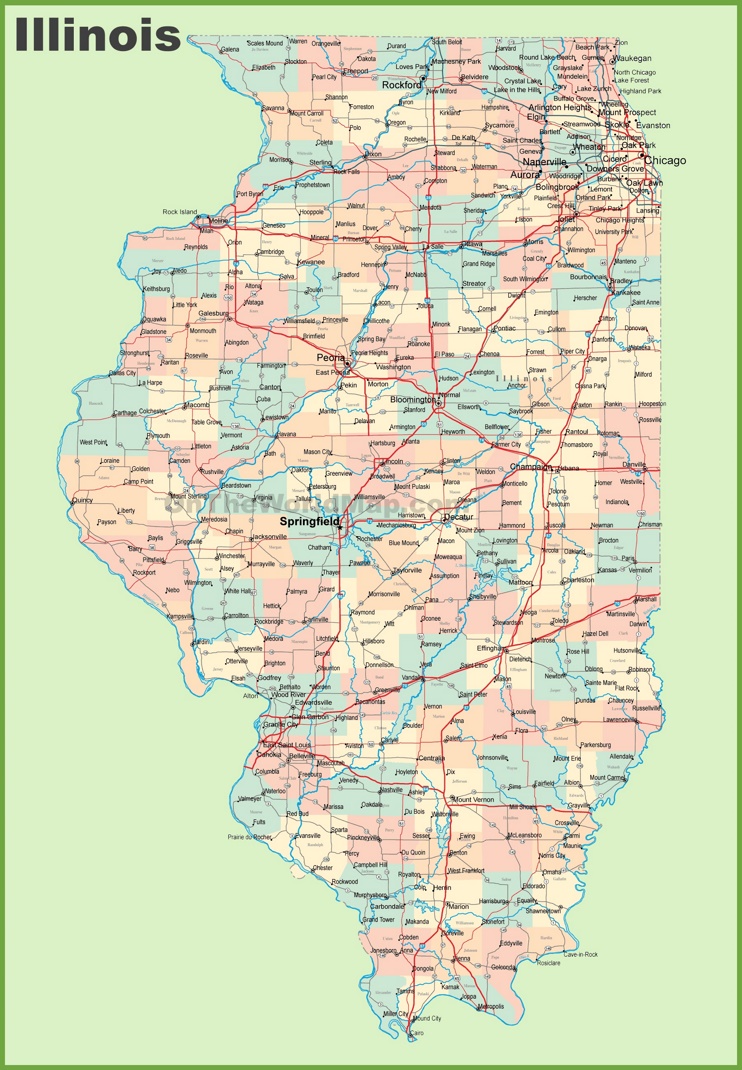
Navigating the system managed by the Illinois Department of Corrections (IDOC) can feel overwhelming for families, legal advocates, and researchers alike. Whether you're tracking an individual's custody status, preparing for an upcoming family visit, or trying to understand release protocols, knowing how the agency operates saves critical time. IDOC oversees state-operated adult correctional facilities, community-based transition centers, and parole supervision across Illinois.
Getting accurate information directly from official resources prevents costly missteps. This guide breaks down facility management, inmate lookup procedures, visitation mandates, and parole structures without fluff or outdated assumptions.
Understanding the Structure of IDOC
The agency operates dozens of adult correctional centers, work camps, and adult transition centers throughout the state. These facilities span various security classifications, ranging from minimum-security work camps to maximum-security institutions like Menard and Pontiac.
When an individual enters the state prison system, they typically arrive first at a Reception and Classification (R&C) center. During this initial intake period—which usually lasts around 30 days—new arrivals undergo medical, psychological, and security evaluations to determine their permanent facility assignment. Regular in-person visits are generally restricted during this initial intake phase, though basic mail and telephone privileges apply once processing concludes.
How to Locate an Individual in Custody
Finding someone within the state network relies on the public digital database hosted on the official IDOC Inmate Search portal. You don't need a paid account or subscription to use this tool.
To run a successful query, you need at least one of the following pieces of information:
- The individual's exact last name (first name is optional but helps narrow common names).
- Their unique alphanumeric IDOC number (for example, K01234).
- Their exact date of birth.
The search results display current housing locations, projected discharge dates, and physical descriptions. If the online portal experiences scheduled server maintenance—a common occurrence during system updates—family members can also call the main IDOC office directly at 217-558-2200 for assistance.
Facility Visitation Rules and Guidelines
Maintaining family and community ties reduces recidivism, which is why IDOC encourages regular visitation. However, security protocols are strict, and failing to follow them results in immediate visit termination or loss of privileges.
Preparing for an In-Person Visit
Before scheduling an in-person visit, you must verify that you are on the individual's approved visiting list. Every person in custody can submit a list of up to 30 approved visitors. Staff cannot confirm your status over the phone, so you'll need to check via letters or direct correspondence.
- Scheduling: Visits must be scheduled ahead of time through the facility's designated system. Arrive at least 10 minutes prior to your allocated window.
- Identification: Adult visitors must present two forms of identification, including a current state-issued photo ID like a driver's license.
- Dress Code: IDOC enforces a strict dress code. Clothing must not feature offensive language, gang-related symbols, or explicit imagery. Skirts and dresses must fall at or below the knee. Tube tops, halter tops, sheer clothing, and open-toed shoes are prohibited for adults.
- Allowed Items: Visitors may bring limited items, typically stored in a clear plastic container or bag, along with a small amount of cash or a vendor debit card (up to $50) for vending machines.
Video Visitation Options
IDOC utilizes video visitation vendors (such as ICSolutions) to let families connect remotely. Video visits must be scheduled at least 7 days in advance (and up to 30 days ahead). Keep in mind that all video sessions are electronically recorded and monitored, meaning traditional attorney-client confidentiality rules do not apply to remote video calls. Furthermore, video visits are blocked during daily institutional count times, typically between 2:30 PM and 4:30 PM.
Parole and Mandatory Supervised Release (MSR)
When an individual completes their term of incarceration, they transition to community supervision under the jurisdiction of the Prisoner Review Board (PRB) and IDOC. Illinois uses Mandatory Supervised Release (MSR) for most individuals, replacing traditional discretionary parole for many offense classes.
While on supervision, individuals must adhere to strict standard conditions:
- Reporting regularly to an assigned parole agent.
- Submitting to approved housing and employment arrangements.
- Refraining from possessing firearms, illegal narcotics, or associating with known gang members.
- Obtaining travel permits before leaving the state or changing residences.
Legislative adjustments have introduced reforms to streamline supervision, such as reducing MSR terms upon the completion of approved educational or vocational programs. Violating supervision conditions can trigger revocation hearings and a return to secure custody.
Frequently Asked Questions
How do I send money to someone in an Illinois state prison?
Funds can be deposited into an individual's trust fund account using approved electronic payment vendors or mail services authorized by IDOC. These funds allow individuals to purchase hygiene products, writing materials, and food items from the commissary. Check the IDOC Deposit Services portal for current vendor fee structures and processing rules.
What happens during an institutional lockdown?
Facilities occasionally institute lockdowns due to security threats, emergencies, or staffing shortages. During a lockdown, normal movement halts, and all in-person and video visitations are temporarily suspended until normal operating status resumes.
Can minors visit family members in IDOC facilities?
Yes, but visitors under 18 must be accompanied by an approved adult visitor. Children aged 12 and under must either be accompanied by a parent or legal guardian, or have signed written consent from a parent or guardian allowing another approved adult to bring them.
How can I sign up for automated custody notifications?
Victims and concerned citizens can register through automated notification networks like VINE (Victim Information and Notification Everyday) to receive timely alerts regarding changes in an individual's custody status, facility transfers, or scheduled releases.


