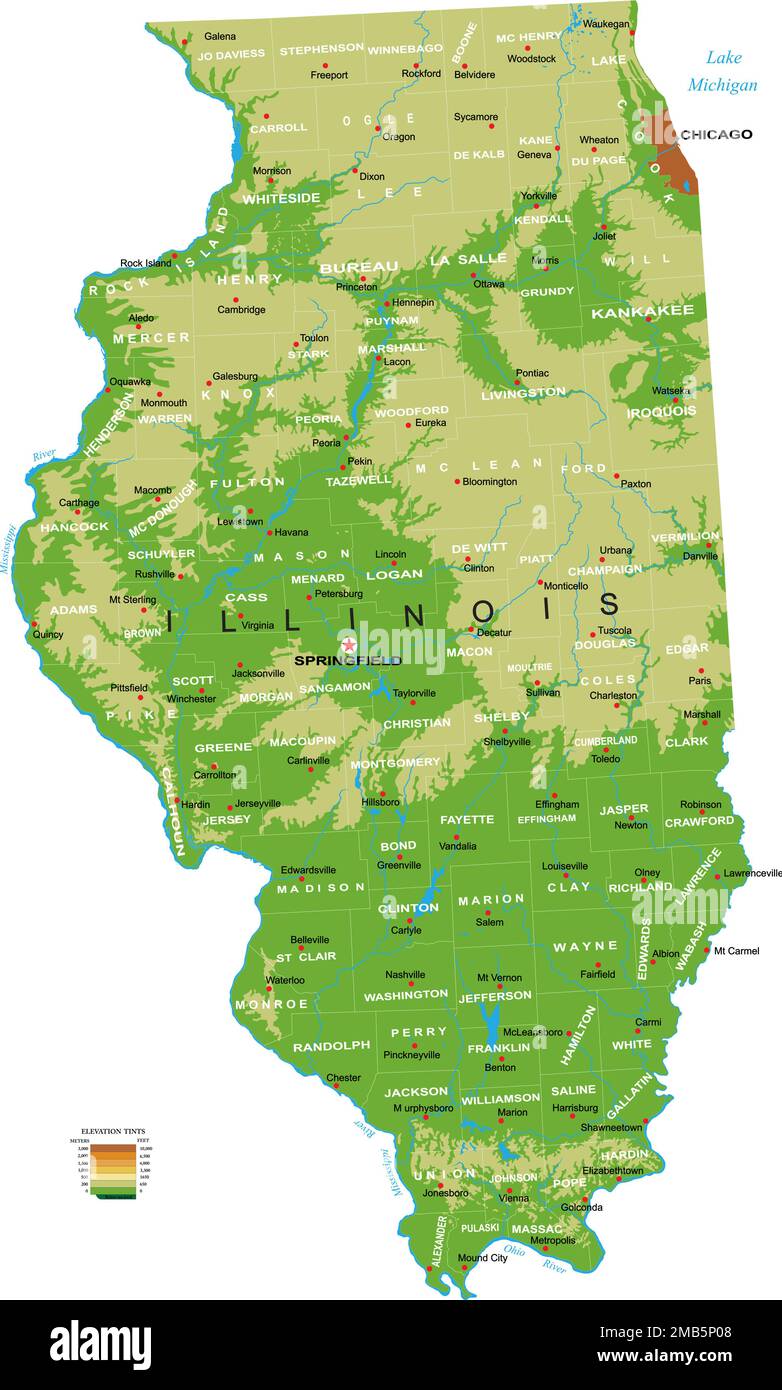
Managing a massive state correctional system requires balancing public safety, fiscal responsibility, and human rehabilitation. The Illinois Department of Corrections operates dozens of facilities across the state, housing tens of thousands of individuals while facing intense scrutiny over infrastructure, staffing shortages, and high recidivism rates. Understanding how this agency functions demands a hard look at the underlying numbers, the specific programs designed to curb repeat offenses, and the systemic roadblocks that persist.
Operating state-level correctional systems involves constant friction between institutional custody and community reintegration. With budgets soaring past two billion dollars, taxpayers and lawmakers alike demand empirical proof that correctional strategies work. This analysis cuts through administrative jargon to examine the actual data driving Illinois custody trends, the programming initiatives deployed inside state walls, and the structural hurdles that complicate long-term success.
Core Population Metrics and Facility Realities
The state prison population fluctuates based on sentencing laws, parole policies, and local crime rates. Historically, the adult inmate population peaked well above 49,000 individuals before policy shifts and legislative adjustments brought numbers down. Even with these reductions, managing roughly 25 to 30 state facilities strains operational capacity.
Facilities contend with aging infrastructure. Many state prisons were built decades ago, leading to high maintenance costs and difficult living conditions for both staff and incarcerated people. Operating expenses consume the vast majority of the agency's budget, leaving narrow margins for specialized programming.
- Staffing Pressures: Correctional officer shortages lead to massive overtime expenditures, driving up agency costs while increasing safety risks for personnel on cell blocks.
- Demographics: Disproportionate representation remains a glaring statistical reality. African American and Hispanic individuals make up a substantial majority of the total population behind bars, reflecting broader socio-economic disparities in the wider justice system.
- Length of Stay: A significant portion of individuals serve short sentences, which creates a revolving door that complicates long-term rehabilitation tracking and housing placement.
Correctional Programs and Rehabilitation Efforts
Inside the secure perimeter, the agency offers educational, vocational, and behavioral health programs aimed at preparing individuals for eventual release. These initiatives range from basic literacy courses and high school equivalency testing to vocational training in welding, culinary arts, and automotive repair.
Behavioral health services also form a cornerstone of modern correctional strategy. Substance abuse treatment programs and cognitive behavioral therapy address the root causes of criminal behavior. However, the demand for these services routinely outstrips available resources.
- Vocational Training: Equipping individuals with marketable skills reduces post-release unemployment, which directly correlates with lower return rates to prison.
- Mental Health Care: A high percentage of the incarcerated population deals with mental illness or substance use disorders, requiring specialized clinical intervention that state facilities struggle to staff adequately.
- Educational Attainment: Providing access to higher education and vocational certificates helps bridge the gap between incarceration and stable employment.
Persistent Challenges and Systemic Hurdles
Despite continuous programmatic tweaks, the state's recidivism rate hovers persistently between 38 and 44 percent. This means nearly half of all individuals released from state custody return within a few years. This stubborn metric highlights deep-rooted systemic barriers that extend far beyond prison walls.
Reentry into society is fraught with practical roadblocks. Finding safe, stable housing is one of the toughest hurdles. Many landlords refuse to rent to individuals with felony records, and public housing restrictions often lock former inmates out of assistance. Without housing or immediate job prospects, individuals frequently slide back into cycles of poverty and crime.
- Housing Insecurity: A lack of transitional housing options forces many releasees into shelters or unstable living arrangements.
- Administrative Backlogs: State audits frequently flag administrative failures, ranging from inefficient timekeeping systems to lagging compliance metrics, which hinder organizational transparency.
- Community Stigma: Social resistance to hiring or housing formerly incarcerated people limits economic mobility and undermines community stability.
For more information on state justice trends, you can review the Illinois Criminal Justice Information Authority or read legislative oversight findings from the Illinois General Assembly.
Frequently Asked Questions
What is the average annual cost to house an incarcerated person in Illinois?
State expenditures per inmate vary by facility type and medical needs, but general operations run tens of thousands of dollars per person annually, driven heavily by facility maintenance, security, and personnel overhead.
Why do recidivism rates remain so high?
Recidivism is driven less by a lack of prison discipline and more by post-release obstacles, including chronic unemployment, severe housing shortages, untreated mental health issues, and social stigma against individuals with criminal records.
What role do vocational programs play in reducing repeat offenses?
Vocational and educational programs provide tangible job skills that improve employment prospects upon release. Stable employment is one of the most reliable predictors of successful community reintegration and lower return rates to prison.
How does the agency handle the high volume of short-term sentences?
Short-term sentences complicate structured rehabilitation because individuals cycle through facilities too quickly for multi-month programs to take full effect, leaving little time for comprehensive discharge planning.


