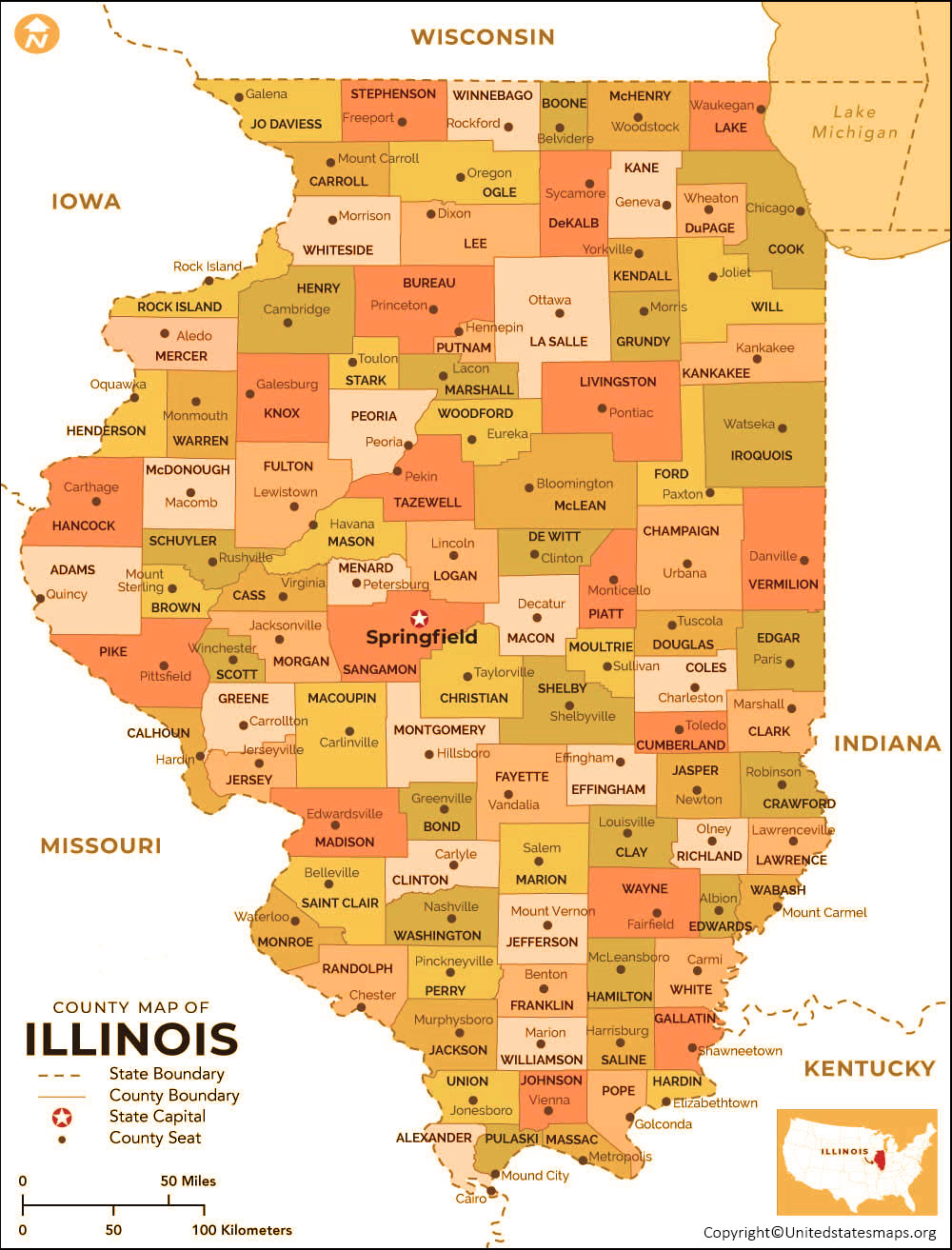
Illinois operates entirely within the Central Time Zone, matching the rhythm of the American Heartland from Chicago down to Cairo. Knowing how this schedule works prevents missed flights, keeps remote meetings on track, and clarifies how seasonal shifts alter the clock.
The state observes Central Standard Time (CST) during the cooler months, sitting six hours behind Coordinated Universal Time (UTC-6). From the second Sunday in March to the first Sunday in November, Illinois shifts to Central Daylight Time (CDT), pulling ahead to UTC-5. Unlike states split across multiple boundaries, every county in Illinois follows these exact rules uniformly.
The Structure of Illinois Central Time
Timekeeping across the state relies on clear federal boundaries overseen by the U.S. Department of Transportation. While large states like Texas or Michigan span multiple zones, Illinois maintains a single standard.
Standard Time vs. Daylight Saving Time
- Central Standard Time (CST): Active from the first Sunday in November until the second Sunday in March. Clocks turn back one hour at 2:00 AM local time.
- Central Daylight Time (CDT): Active from the second Sunday in March until the first Sunday in November. Clocks spring forward one hour at 2:00 AM local time.
This seasonal adjustment gives northern areas more evening sunlight during summer months, aligning commercial operations with natural daylight cycles.
History of Time Zones in the Heartland
Before late 19th-century railway expansion, North America ran on thousands of local solar times. Every town set its clocks by the local position of the sun, creating chaos for cross-country rail travel.
In November 1883, major railroad companies established standardized continental time zones to prevent scheduling collisions and accidents. The federal government formalized these zones through the Standard Time Act of 1918, placing the administration under the Interstate Commerce Commission before it transferred to the Department of Transportation. Illinois adopted these railway-driven boundaries seamlessly, integrating its industrial and agricultural hubs into a unified schedule.
Practical Impacts for Business and Travel
Operating on Central Time places Illinois in a strategic position for nationwide coordination. Businesses based in Chicago can communicate efficiently with both coasts during standard working hours.
- Eastern Time Sync: Cities like New York and Miami are exactly one hour ahead. A 9:00 AM meeting in Chicago corresponds to 10:00 AM in New York.
- Pacific Time Sync: Cities like Los Angeles and Seattle are two hours behind. A 2:00 PM call in Chicago is 12:00 PM on the West Coast.
- Scheduling Reminders: Flight departures listed on boarding passes always reflect the local time of the departure city. Always check local timeanddate references when booking cross-country travel.
Common Mistakes to Avoid
Miscalculating time differences can lead to missed deadlines or travel delays. Keep these pitfalls in mind:
- Assuming Year-Round Offsets: Don't forget that the one-hour gap between standard and daylight periods changes twice a year. Always verify whether both regions observe the spring transition on the exact same weekend.
- Confusing Border Counties: While Indiana and Kentucky share borders with Illinois and feature split time zones, Illinois itself has no internal boundary splits. Every city from Rockford to Metropolis shares the exact same clock.
- Ignoring International Partners: When scheduling with European or Asian partners, remember that U.S. daylight saving transition dates often differ from European Union clock changes by a week or two in March and October.
Frequently Asked Questions
Does all of Illinois stay on the same time?
Yes. Every single county in Illinois observes Central Time, with no split zones separating northern and southern regions.
When do clocks change in Illinois?
Clocks shift forward on the second Sunday of March and fall back on the first Sunday of November, matching the federal rules outlined by the National Institute of Standards and Technology.
Is Illinois ever on Eastern Time?
No part of Illinois is in the Eastern Time Zone, though parts of neighboring Indiana sit on the eastern side of the boundary line.
How does Central Time compare to UTC?
During standard time, Illinois is UTC-6. During daylight saving time, it shifts to UTC-5.



