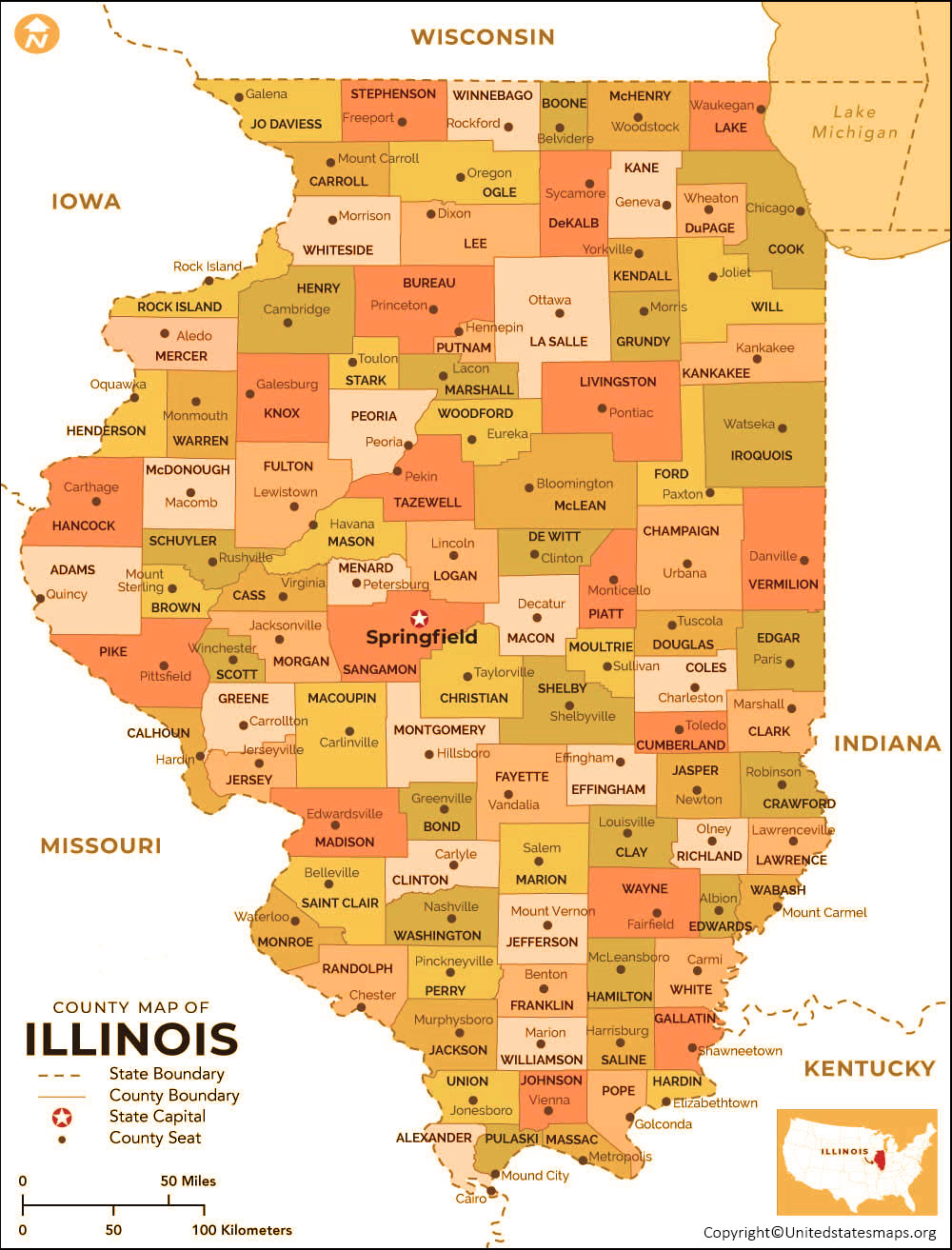
Illinois operates entirely within the Central Time Zone, making it simple for residents and travelers to keep track of local schedules without worrying about regional boundary shifts. Whether you're coordinating business calls across state lines or planning a trip to Chicago, understanding how the state tracks hours throughout the year helps prevent scheduling errors.
The region observes two seasonal variations: Central Standard Time (CST) during the winter months and Central Daylight Time (CDT) during the summer. This guide breaks down how the system works, how it affects daily routines, and how to convert local hours accurately.
Understanding Illinois Time Standards
The entire state of Illinois follows Central Time, sitting six hours behind Coordinated Universal Time (UTC-6) during standard months. Unlike neighboring states such as Indiana or Kentucky, which split across multiple time zones, Illinois maintains a uniform clock from Rockford down to Cairo.
Central Standard Time (CST)
During the winter months, when daylight saving is inactive, Illinois runs on CST (UTC-6). This period runs from early November until the second Sunday in March. Sunset occurs significantly earlier during these months, often wrapping up before 5:00 PM in northern parts of the state.
Central Daylight Time (CDT)
From the second Sunday in March until the first Sunday in November, the state shifts forward by one hour to CDT (UTC-5). This adjustment maximizes evening sunlight during warmer months. Clocks spring forward at 2:00 AM local time, and they fall back at 2:00 AM when returning to standard time.
How Illinois Compares to Other US Zones
When scheduling national events or travel, knowing the offset from other American time zones keeps things running smoothly.
- Eastern Time (ET): Illinois is one hour behind New York, Miami, and Atlanta. If it's 3:00 PM in Chicago, it's 4:00 PM in New York.
- Mountain Time (MT): Illinois is one hour ahead of Denver and Phoenix (though Arizona mostly skips seasonal shifts). When it's noon in Illinois, it's 11:00 AM in Denver.
- Pacific Time (PT): Illinois is two hours ahead of Los Angeles and Seattle. A 9:00 AM meeting in Springfield translates to 7:00 AM on the West Coast.
For official UTC tracking and global atomic standards, you can check the National Institute of Standards and Technology time guidelines.
Practical Conversion Tips for Travelers
Miscalculating time changes is a common cause of missed flights, trains, and hotel check-ins. If you're traveling into or out of O'Hare International Airport or Midway International Airport, always double-check the local time of your departure and arrival cities rather than relying on mental math.
When setting digital calendars or booking flights, ensure your devices are set to update automatically using the official IANA time zone identifier for the region, which is America/Chicago. Manual settings often fail to adjust correctly during seasonal clock changes.
Common Mistakes to Avoid
Managing schedules across state lines often leads to a few recurring errors. Keep these pitfalls in mind:
- Assuming border states share the same zone. For example, parts of western Indiana and western Kentucky use Central Time, but large portions of both states run on Eastern Time. Always verify local county rules if you're driving near state boundaries.
- Forgetting the exact date of the spring and autumn clock shifts. The United States changed its transition dates under the Energy Policy Act of 2005, moving spring forward to March and fall back to November.
- Confusing UTC offsets when dealing with international software tools or databases that rely on raw UTC timestamps.
For broader geographic and demographic details about the state, consult the U.S. Census Bureau Illinois profile.
Frequently Asked Questions
Does any part of Illinois observe Eastern Time?
No. Every county in Illinois officially belongs to the Central Time Zone. Historical anomalies along the Indiana border were resolved long ago, unifying the state under a single clock.
When do clocks change in Illinois?
Clocks move forward one hour on the second Sunday in March and move backward one hour on the first Sunday in November. The transition always occurs at 2:00 AM local time.
How does Central Time affect sunrise and sunset times?
Because Illinois spans a north-to-south distance of nearly 400 miles, northern cities like Rockford experience earlier winter sunsets and later summer sunsets compared to southern cities like Metropolis.
What is the UTC offset for Illinois?
The offset is UTC-6 during standard time (winter) and UTC-5 during daylight saving time (summer).



