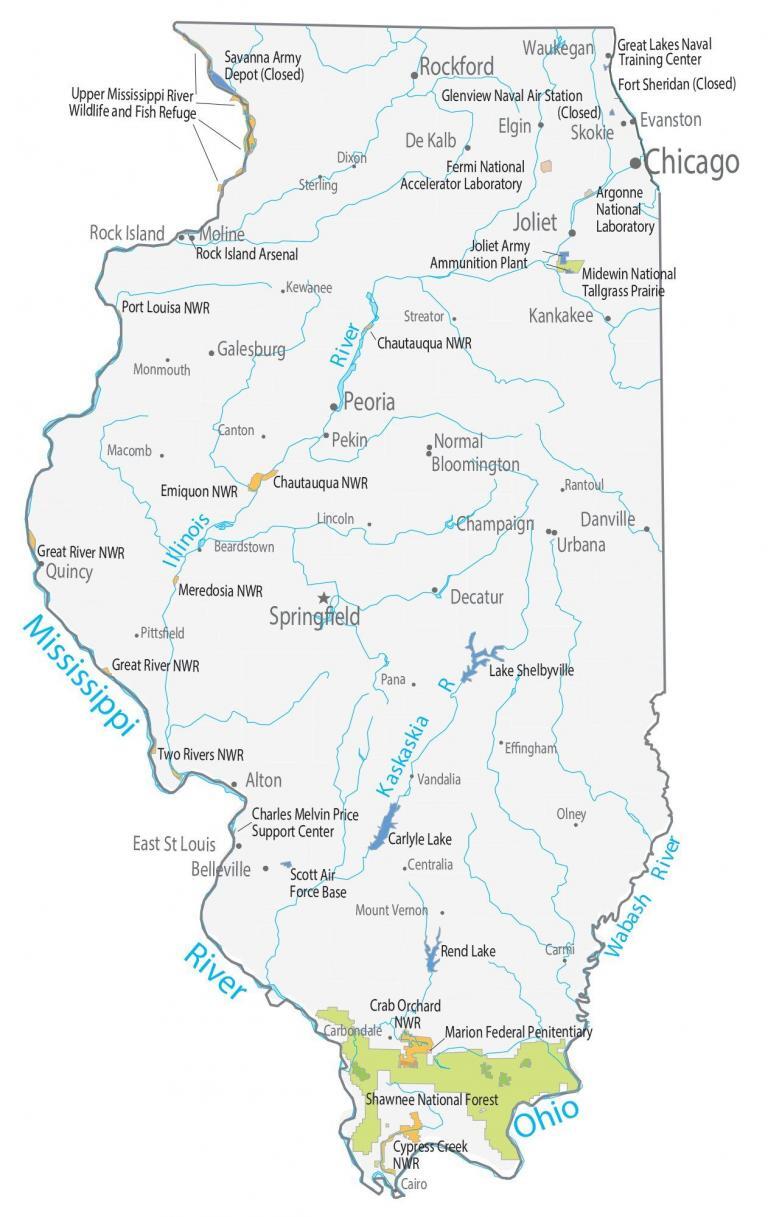
Navigating vehicle paperwork in the Prairie State doesn't have to turn into an all-day ordeal. Whether you're buying a used car from a private seller, gifting a vehicle to a family member, or trying to replace a lost ownership document, getting your Illinois car title transfer right the first time avoids costly delays and multiple trips to the office.
The core requirement involves completing the Illinois Secretary of State paperwork, securing proper signatures, and paying the state fees. Let's walk through how the process works, what documents you need, and how to handle missing titles without hitting a wall.
Understanding the Illinois Car Title Transfer Process
When ownership of a vehicle changes hands, the state needs a legal record update. The seller must sign over the original physical title, and the buyer must apply for a new title within a strict window.
If you are buying or selling a car, make sure the back of the title is filled out completely. Both parties must record the exact odometer reading, purchase price, and date of sale. Leaving fields blank or making corrections with correction fluid will cause the Illinois Secretary of State to reject your application instantly. To see the bigger picture, check out the excellent analysis by The New York Times.
Key Requirements for Private Sales
- The physical title signed and dated by the registered owner.
- Completed and signed Application for Vehicle Transaction(s), known as Form VSD 190.
- Proof of identity for the buyer, such as a valid driver's license or state ID.
- Payment for applicable title transfer fees and registration taxes.
- A Rutgers or standard motor vehicle use tax form depending on how the vehicle was acquired.
How to Replace a Lost or Stolen Car Title in Illinois
Realizing your car title is missing right when you find a buyer can cause instant panic. Fortunately, getting a replacement or duplicate title is straightforward if you follow the correct administrative path. You can apply for a duplicate either by mail or by visiting a local Secretary of State facility.
Before filling out forms, confirm that your title isn't simply misplaced in a home filing cabinet. If it's truly gone, follow these steps to secure a duplicate:
- Download and fill out Form VSD 190, marking the transaction type as a duplicate title.
- Gather your current vehicle registration card and a valid photo ID.
- Prepare the standard state fee of $95 via check or money order made out to the Secretary of State.
- Mail your packet to the Illinois Secretary of State Vehicle Services Department or hand-deliver it to a regional office.
If you're in an emergency hurry to sell your vehicle, you can request an expedited duplicate title. This service costs an additional fee on top of the standard $95 charge and generally speeds up delivery, though you must arrange for pickup or secure delivery options through the Springfield office.
Handling Special Transfer Situations
Not every vehicle transfer happens through a standard cash sale on the open market. Family transfers, inherited vehicles, and out-of-state moves carry distinct rules.
Gifting or Inheriting a Vehicle
If you receive a vehicle as a gift from an immediate family member, you may qualify for a tax exemption on the transaction, but you still must file the proper paperwork. For inherited vehicles, the process depends heavily on whether the deceased owner left a will and whether the estate went through probate. A small estate affidavit or letters of office from the court will be required alongside Form VSD 190 to transfer ownership to the heir.
Dealing with an Outstanding Lien
If the previous owner had an auto loan, the title likely lists a lienholder. The lender must officially release their interest before a clean title transfer can occur. Look for a stamped lien release letter or an official signature from the financial institution on the face or back of the title document. Without this release, the state will reject the transfer application.
Common Mistakes to Avoid
Vehicle owners frequently make avoidable errors that stall their paperwork for weeks. Watch out for these pitfalls:
- Altering text: Never cross out names, dates, or prices on a title. If a mistake happens, a separate notarized affidavit of correction may be mandatory.
- Skipping tax forms: Failing to submit the correct tax calculation or payment form alongside your title application halts processing immediately.
- Missing odometer disclosures: Vehicles under ten years old legally require an accurate, signed odometer reading. Skipping this federal and state requirement triggers an automatic rejection.
- Late filing penalties: Illinois requires buyers to apply for title and registration within 20 days of purchase. Waiting longer racks up late registration fees.
Frequently Asked Questions
How long does it take to receive a new car title in Illinois?
Standard processing through the mail typically takes between three to four weeks. If you submit your application in person at a regional office or pay for expedited processing, turnaround times drop significantly.
Can I transfer an out-of-state title to Illinois?
Yes. You must bring the out-of-state title, proof of Illinois insurance, a completed VSD 190 form, and pass any required emissions testing if your vehicle is registered in a mandated county like Cook, DuPage, or Lake.
What should I do if the seller never transferred the title into their name?
Walk away from the deal. This is known as a "title jump" or floating title, which is illegal in Illinois. The person selling the car must be the legal individual listed on the face of the title.
Do I need to get an emissions test before transferring my title?
It depends on the vehicle's model year and where you live. Most gasoline-powered vehicles older than four years registered in specific northern counties must pass an emissions test before registration and plates can be issued.



