Ikigai Sushi Bar balances traditional Japanese techniques with seasonal sourcing, creating an omakase and à la carte dining experience that prioritizes ingredient purity over heavy garnishes. Located in urban dining districts, this establishment centers its kitchen operations around exact rice preparation, trusted fishmonger networks, and minimalist design, offering an unhurried escape from fast-paced city life.
If you're looking for an honest look at how modern sushi houses bridge classic Edomae craft with contemporary hospitality, you'll find that Ikigai operates quite differently from standard fusion spots. Let's break down how the kitchen operates, what you can expect from the menu, and whether it's worth your time and money.
The Philosophy of Mindful Dining
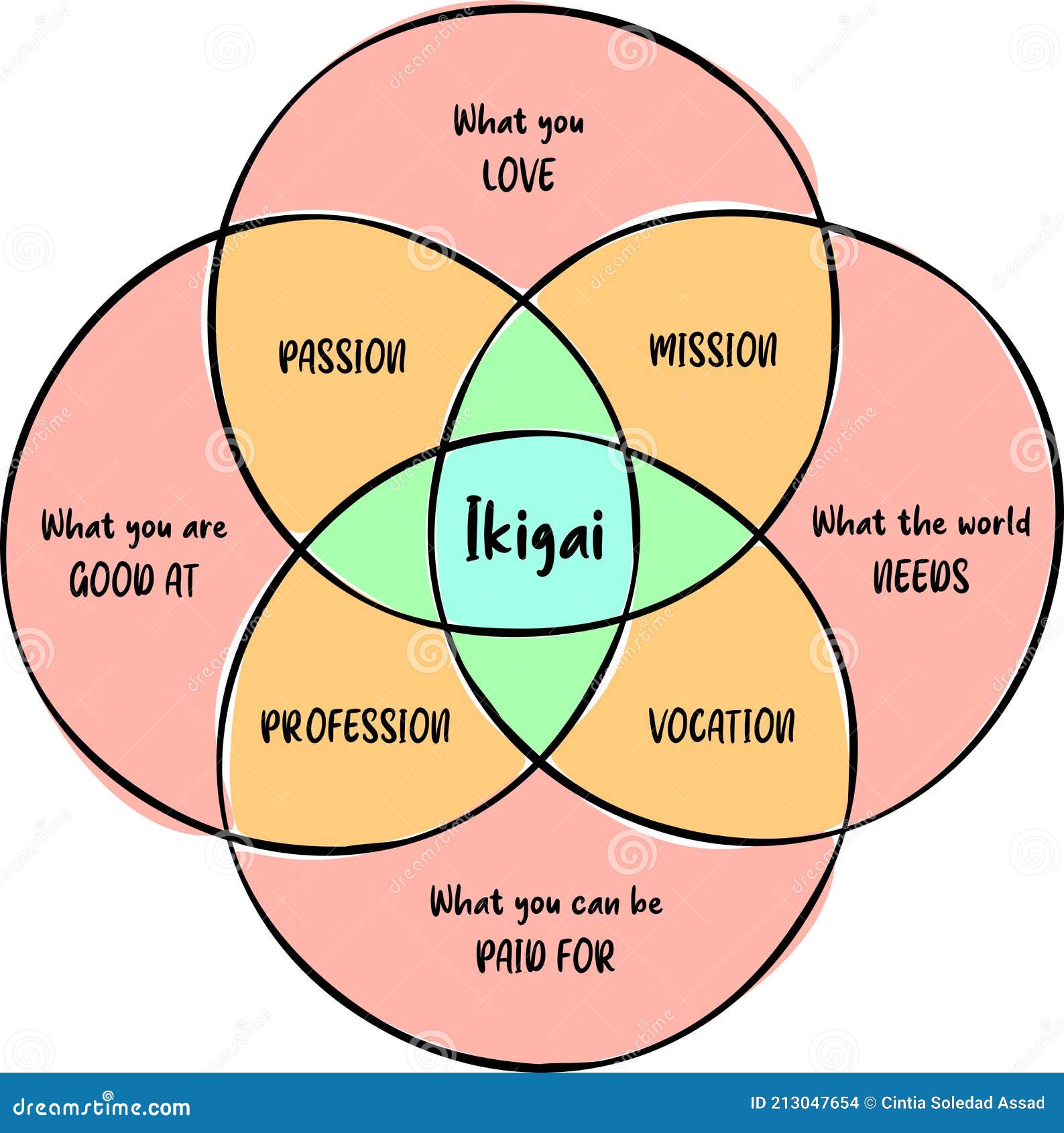
The name ikigai translates to finding purpose or joy in daily life. At this restaurant, that concept dictates every operational choice, from the silent choreography of the kitchen staff to the precise temperature of the dining room.
Unlike restaurants that rely on loud themes or overly complex fusion sauces to mask mediocre seafood, Ikigai focuses on subtraction. They remove what's unnecessary so the fish can shine. You won't find cream cheese drowned in sweet eel sauce here. Instead, you'll encounter single-origin cuts served with freshly grated wasabi and house-brewed soy pairings.
Menu Craftsmanship and Ingredient Sourcing
Sourcing is the foundation of any high-end sushi bar. Ikigai maintains direct relationships with independent fishmongers who trace catches from sustainable fisheries. The menu shifts every three months to match seasonal availability, meaning you won't see Hokkaido scallops or fatty bluefin toro year-round if the water temperatures aren't right.
Core Menu Offerings
- Traditional Nigiri: Slices of fish pressed against seasoned rice, served in standard pairs to maintain structural and flavor integrity.
- Sashimi Plates: Single-origin cuts served with light accompaniments like ponzu or grated daikon to highlight natural textures.
- Seasonal Rolls: Limited rotations featuring regional produce and rare seafood varieties that complement the core proteins.
- Plant-Based Options: A dedicated section utilizing marinated mushrooms, avocado structures, and fermented soybean blends for non-seafood eaters.
Executive Chef Yuki Tanaka runs the kitchen with a strict rule: if a fish isn't at its absolute peak, it doesn't make the cut. That discipline prevents the menu from expanding past what the kitchen can execute with total consistency.
Rice Mastery and Technical Execution
Most diners focus entirely on the fish, but sushi masters know that the rice makes or breaks the meal. At Ikigai, the rice preparation is treated like a scientific formula.
The kitchen uses short-grain rice, washing it multiple times to remove excess starch before cooking it with a rigid water-to-grain ratio. The vinegar seasoning isn't static; it's adjusted daily based on the kitchen's humidity and ambient room temperature. When shaped by hand, the chefs apply just enough pressure to keep the piece from falling apart on your plate, ensuring the grains break apart smoothly the moment they hit your tongue.
You can learn more about traditional Edomae sushi techniques through official cultural archives, which detail how historic preservation methods evolved into modern culinary art.
The Dining Room Atmosphere and Counter Seating
The physical space is designed to lower your heart rate the moment you walk through the door. Muted earth tones, low lighting, and minimalist wooden counters create an environment built for quiet focus.
Booking a seat at the sushi counter offers a completely different experience than sitting at a standard table.
- Unobstructed View: You watch the chefs slice fish, test rice warmth, and plate courses in real time.
- Customized Omakase: Counter guests can request chef-selected course sequences tailored to their personal preferences.
- Direct Dialogue: You can ask the chefs questions about aging methods, regional sourcing, and flavor pairings without feeling rushed.
Because seating capacity is strictly limited to maintain this quiet atmosphere, reservations are mandatory, especially for weekend dinner service.
Service Philosophy Without the Upsell
One common pain point at high-end dining spots is aggressive upselling by service staff pushing expensive bottles of wine or extra courses. Ikigai takes a different route.
The floor staff is trained in storytelling rather than sales tactics. If you ask about the origin of a specific amberjack, they can explain its migratory patterns and flavor profile. Sommeliers guide you toward wine or nonalcoholic pairings based entirely on what you ordered, rather than the price tag. Water glasses stay full, dietary restrictions receive serious attention, and celebrations are acknowledged with subtle hospitality rather than loud disruption.
For a broader perspective on sustainable seafood practices that upscale restaurants are adopting globally, check out the Marine Stewardship Council guidelines on responsible fishing and traceability.
Common Mistakes Diners Make Here
If you're visiting Ikigai for the first time, a few common etiquette and ordering missteps can impact your meal.
- Drenching Nigiri in Soy Sauce: Dipping the rice side into soy sauce causes the piece to disintegrate. Always turn the nigiri slightly and dip only the fish.
- Mixing Wasabi into Soy Sauce: This creates a muddy paste that overpowers delicate fish flavors. Real freshly grated wasabi should be applied directly to the fish by the chef or in small dabs by you.
- Ordering Too Much at Once: Ordering everything at once overwhelms the palate and ruins the pacing. Order in stages or opt for the omakase progression.
- Ignoring Seasonal Specials: Sticking exclusively to familiar salmon or tuna rolls means missing out on the kitchen's best seasonal offerings.
Frequently Asked Questions
Do I need a reservation to dine at Ikigai?
Yes. Due to limited seating capacity designed to preserve an intimate atmosphere, walk-in spots at the counter are rarely available, particularly on Friday and Saturday evenings.
Is there a dress code?
The restaurant maintains a smart-casual dress code. You don't need formal evening wear, but athletic wear and beach attire are discouraged to match the refined dining environment.
Are there options for guests who do not eat raw fish?
While the menu heavily features raw seafood, the kitchen offers cooked robata items, vegetarian sushi rolls, and marinated plant-based dishes upon request.
How long does an omakase seating take?
Plan for roughly ninety minutes to two hours. The multi-course progression is intentionally paced to give each dish and beverage pairing its proper due.



