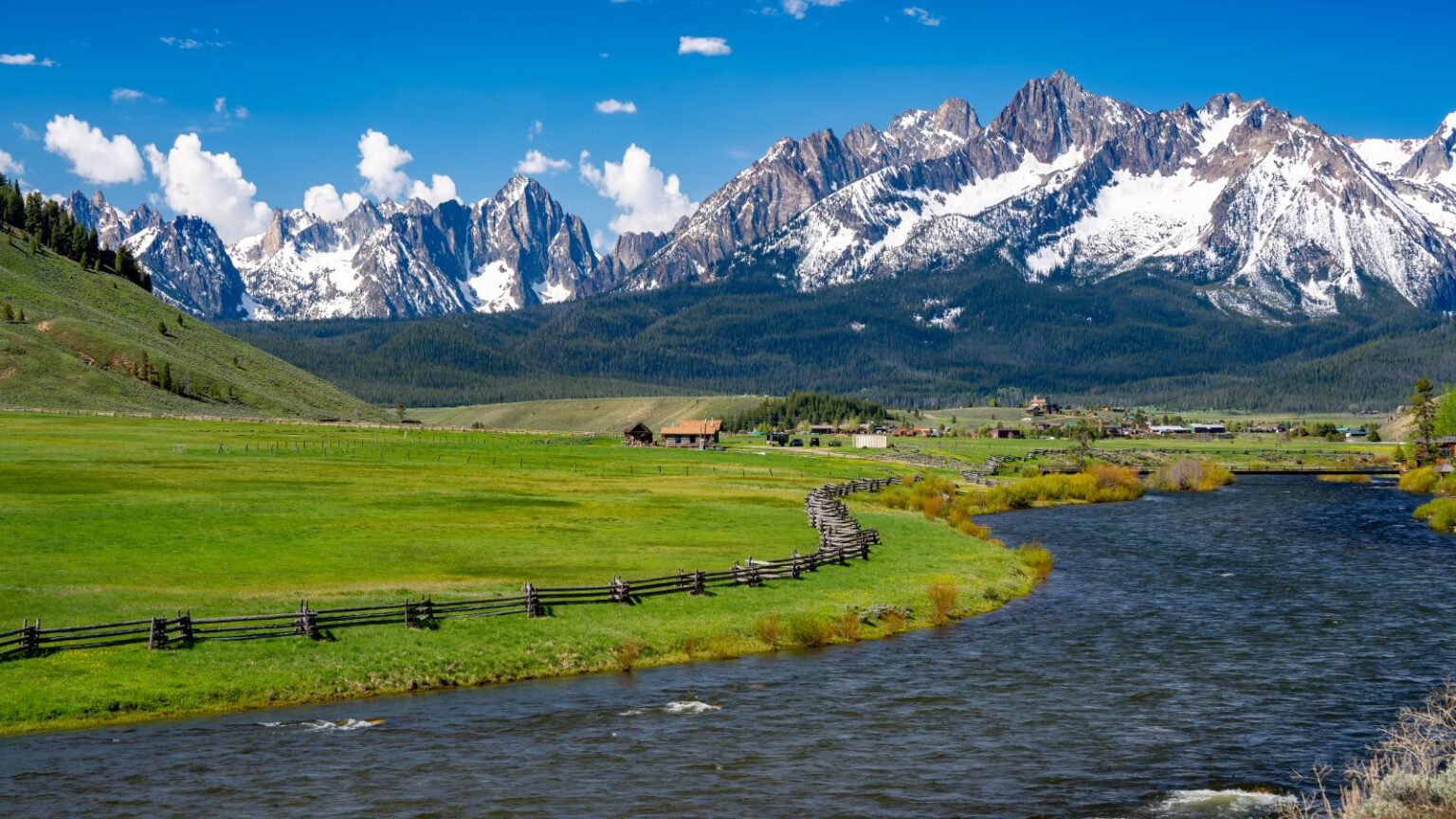
Driving through Idaho means navigating sweeping mountain passes, sudden weather shifts, and high-altitude highways that demand absolute focus. Whether you are climbing Lookout Pass on Interstate 90 or descending the winding curves of US-95 through the canyon country, Idaho roads change character in minutes. A clear, sunny morning can turn into a blinding blizzard or a slick sheet of black ice before you reach the next exit.
Understanding Idaho driving conditions requires more than watching the thermometer. You have to anticipate how microclimates, elevation changes, and heavy commercial truck traffic interact with the state's unique geography. State transport agencies maintain real-time tracking, but staying safe on these rural stretches comes down to preparation, vehicle readiness, and knowing how to read the asphalt ahead of you.
Understanding Idaho Road Hazards and Geography
Idaho spans two distinct geographic and climatic zones separated by formidable mountain ranges. The northern panhandle features dense forests, heavy snowfall, and steep grades, while southern Idaho combines high-desert plateaus with treacherous river canyons like the Snake River Canyon. This varied terrain creates localized weather patterns that can catch drivers off guard.
Mountain passes present the most acute danger. Elevations above 5,000 feet experience freezing temperatures much earlier in the autumn and hold onto snow pack well into the spring. When moisture moves in from the Pacific Northwest, it drops heavy snow on western slopes and fierce winds across eastern plains.
- Black Ice Formation: Bridges, overpasses, and shaded mountain curves freeze first. Because Idaho air temperatures can hover just above freezing while the ground is sub-zero, invisible ice sheets form rapidly, especially near rivers and lakes.
- Wildlife Collisions: Elk, deer, and moose frequently cross rural Idaho highways, particularly at dawn and dusk. Low-visibility mountain conditions reduce reaction times significantly.
- Heavy Commercial Traffic: Interstate 84 and Interstate 90 carry substantial freight traffic between the Pacific Northwest and the Intermountain West. Semi-trucks kick up heavy spray in the rain and throw blinding snow clouds during winter storms.
- Rockfall Zones: Spring thaw and heavy autumn rains trigger rockslides along canyon routes like US-95 and Highway 55. Watch for warning signs and fallen debris around blind curves.
Real-Time Monitoring: Where to Check Conditions Before You Go
Never rely on standard consumer weather apps when planning a trip across Idaho. Localized conditions on mountain summits differ vastly from the forecast in nearby towns. The Idaho Transportation Department operates an official traveler information system that provides live webcams, radar overlays, and direct updates on road closures and chain laws.
Before you turn the key, check the Idaho 511 Traveler Information platform for up-to-the-minute status reports. You can view streaming camera feeds of major passes like Fourth of July Pass, Lolo Pass, and Pine Creek Pass to see actual pavement conditions before you encounter them.
- Check the Webcams: Look for wet pavement versus slush or packed snow. If the camera shows a shimmering, dark surface at freezing temperatures, treat it as black ice.
- Monitor Weather Advisories: The National Weather Service Boise and regional NOAA offices issue targeted winter storm warnings and high wind advisories for specific highway corridors.
- Understand Chain Laws: Idaho Department of Law enforcement enforces mandatory chain restrictions when conditions deteriorate. Commercial vehicles must carry chains, and passenger vehicles may be required to use chains or snow tires on designated mountain passes.
Essential Vehicle Preparation for Mountain Driving
Your car needs to be mechanically ready for rapid temperature drops and steep inclines long before you hit the highway. Mountain driving strains your engine, transmission, braking system, and electrical components far more than flat city driving.
Tire condition remains your primary line of defense. All-season tires lose flexibility and traction when temperatures drop below 45 degrees Fahrenheit. Dedicated winter tires with the three-peak mountain snowflake symbol provide the necessary rubber compounds and siping to grip ice and packed snow.
- Brake Inspection: Ensure your brake pads and rotors have plenty of life. Mountain descents require controlled engine braking rather than riding the brake pedal, which can cause brake fade or boiling fluid.
- Fluid Levels: Switch to a winter-grade windshield washer fluid rated for sub-zero temperatures. Keep your fuel tank at least half full to prevent fuel line condensation and ensure you have heat if you get delayed by an accident or road closure.
- Emergency Kit: Pack a heavy-duty ice scraper, a folding snow shovel, warm blankets, extra gloves, non-perishable snacks, a flashlight with fresh batteries, jumper cables, and a bag of sand or kitty litter for traction if you slide off the shoulder.
Tactical Driving Techniques for Snow, Ice, and Steep Grades
When you encounter severe weather on Idaho highways, your driving inputs must become deliberate and smooth. Sudden jerks of the steering wheel, hard acceleration, or panic braking will break the fragile friction bond between your tires and the road surface.
Maintain a much larger following distance behind other vehicles—at least four to six seconds on dry roads translates to ten to twelve seconds on snow-packed or icy pavement. If you see brake lights flashing ahead, ease off the gas pedal early rather than slamming your brakes.
- Handling Skids: If your vehicle starts to slide, look where you want to go and steer gently in that direction. Don't slam on the brakes if you have an older vehicle without anti-lock brakes; pump them gently. Modern ABS systems will pulse automatically—maintain steady pressure and let the system work.
- Ascending Grades: Maintain a steady momentum before you start climbing a mountain pass. Don't accelerate aggressively halfway up, as this can cause your drive wheels to spin out in snow or slush.
- Descending Grades: Shift your automatic transmission into a lower gear (or use manual mode) to let engine compression slow the vehicle. This prevents your brakes from overheating and failing on long downgrades.
- Dealing with Whiteouts: If blowing snow reduces visibility to zero, don't stop in the middle of the active travel lane. Signal, pull completely off the shoulder onto a safe turnout, turn off your moving lights so others don't follow your taillights off the road, and keep your hazard flashers blinking.
Frequently Asked Questions
Are snow tires legally required in Idaho?
Idaho does not have a blanket statewide mandate requiring winter tires for all passenger vehicles year-round. However, the state Department of Transportation enforces mandatory chain laws and temporary winter tire restrictions on specific mountain passes and rural highways during severe weather events. Failing to comply can result in fines and liability if you cause an accident.
What should I do if my car loses traction on black ice?
Take your foot off the accelerator immediately and avoid touching the brakes. Do not make sharp steering corrections. Keep the steering wheel straight or steer gently into the direction of the skid until the tires regain traction on the pavement.
How can I check Idaho pass conditions from my phone?
Download the official Idaho 511 app or visit the mobile-optimized state transit portal before departure. Cellular service can be spotty or non-existent in deep mountain canyons like the Salmon River or remote stretches of US-95, so check your route and download offline map data before you leave cellular coverage.
Are studded tires legal on Idaho highways?
Yes, studded tires are permitted on Idaho roads from October 1 through April 30 of the following year. Using them outside these dates or failing to remove them can damage asphalt and lead to traffic citations.



