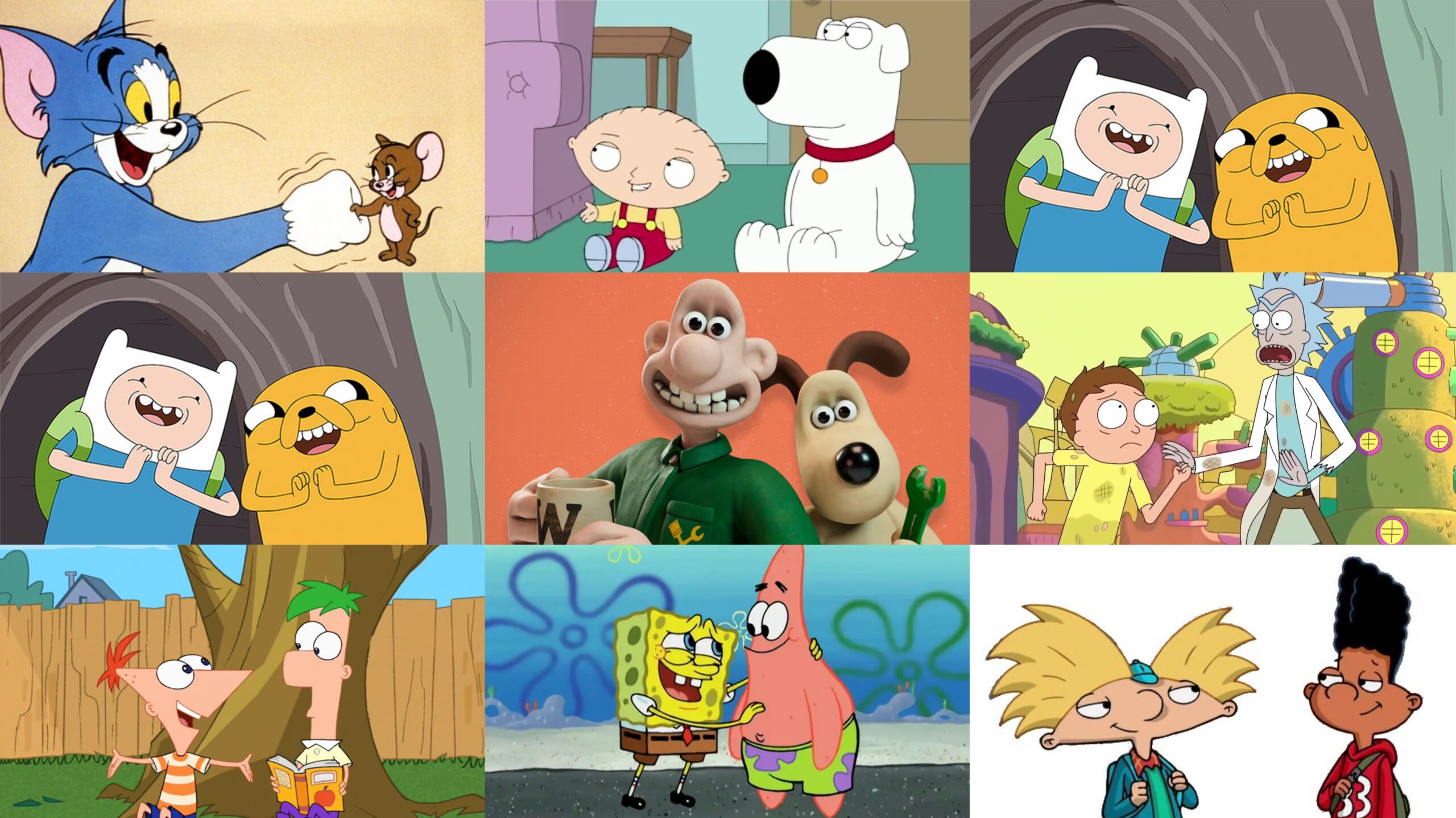
Introduction
For decades, animated series have relied on dynamic pairs to drive their narratives forward. While buddy comedies and action duos historically centered on male pairings, female character duos have carved out a distinct, powerful space in television and film. These relationships go beyond simple sidekick tropes. They explore authentic emotional landscapes, complex loyalty, and the messy realities of platonic or familial sisterhood.
When creators craft compelling female duos, they give young audiences something vital: characters who lean on each other rather than competing for a spotlight. Let's look at why these partnerships resonate, how they've evolved across generations of animation, and what makes them enduring icons of modern media.
The Evolution of Female Bonds in Animation
Early animation rarely prioritized deep platonic or familial bonds between women. Female characters often filled singular archetypes—the damsel, the villain, or the token addition to an otherwise male ensemble. When pairs did exist, their interactions frequently revolved around rivalry or romantic pursuits.
The landscape shifted as more diverse creators entered the animation industry. Shows started treating female relationships with the same narrative gravity given to legendary male friendships. Writers stopped treating women as monoliths. Instead, they paired characters with contrasting personalities—the pragmatic realist alongside the eccentric dreamer, or the quiet introvert matched with an explosive extrovert.
These contrasts created natural comedic and dramatic friction. More importantly, they established a template where mutual respect and shared growth superseded petty conflict. Viewers watched duos navigate high-stakes adventures, mundane domestic struggles, and everything in between, all while reinforcing a core message: navigating life is easier when you have a trusted partner in your corner.
Anatomy of an Iconic Duo: What Makes Them Work?
Not every pair of animated characters achieves icon status. The most memorable female duos share specific narrative DNA that keeps audiences invested across multi-season arcs.
Complementary Strengths and Weaknesses
A great duo doesn't feature two identical characters. Balance is essential. If one character acts as an impulsive risk-taker, her partner needs to anchor her with cautious strategy. This dynamic allows writers to solve plot puzzles organically. Neither character carries the entire narrative weight alone; their combined skill sets create a whole greater than the sum of its parts.
Unwavering Mutual Support
Audiences spot superficial friendships instantly. The enduring duos weather severe disagreements, external pressure, and personal failures without fracturing their core bond. When a character makes a mistake, her partner offers constructive feedback rather than toxic judgment. This portrayal of healthy conflict resolution provides a powerful behavioral blueprint for younger viewers.
Shared Ambitions and Humor
Chemistry relies heavily on comedic timing and aligned goals. Whether they're fighting supernatural forces or trying to survive a boring summer afternoon, shared jokes build intimacy. When a pair laughs at the same absurdity, the audience feels included in their private world.
The Cultural Impact on Young Viewers
Media consumption shapes how children and teenagers perceive social structures. For generations, media often pitted women against each other in tropes like the "mean girls" cliché or romantic jealousy triangles.
Centering authentic sisterhood in animation acts as a direct antidote to these tired tropes. When children see female characters collaborating, sharing vulnerabilities, and celebrating each other's victories, it normalizes supportive female relationships in the real world.
Psychologists note that children model their interpersonal expectations on media narratives. Seeing characters communicate openly through emotional crises helps normalize emotional literacy. It teaches that asking for help from a friend is a strength, not a weakness.
Frequently Asked Questions
Why are female character duos gaining more prominence in modern animation?
Creators and networks recognize that diverse, multifaceted character dynamics attract broader audiences. Modern viewers demand realistic emotional depth and complex interpersonal relationships rather than flat stereotypes.
How do writers avoid common clichés when writing female friendships?
Writers avoid clichés by steering clear of constant romantic competition or petty jealousy. Instead, they focus on individual character arcs, personal ambitions, and shared challenges that require teamwork to overcome.
What distinguishes a familial sisterhood from a chosen sisterhood in cartoons?
Familial sisterhood involves shared history and biological ties, which often brings built-in tension and deep-rooted expectations. Chosen sisterhood relies entirely on mutual selection, shared values, and conscious effort to maintain the bond despite different backgrounds.
Why is contrast important between animated partners?
Contrasting personalities prevent repetitive dialogue and predictable plot resolutions. When two characters approach problems from completely different angles, it opens up diverse storytelling possibilities and keeps episodes engaging.


