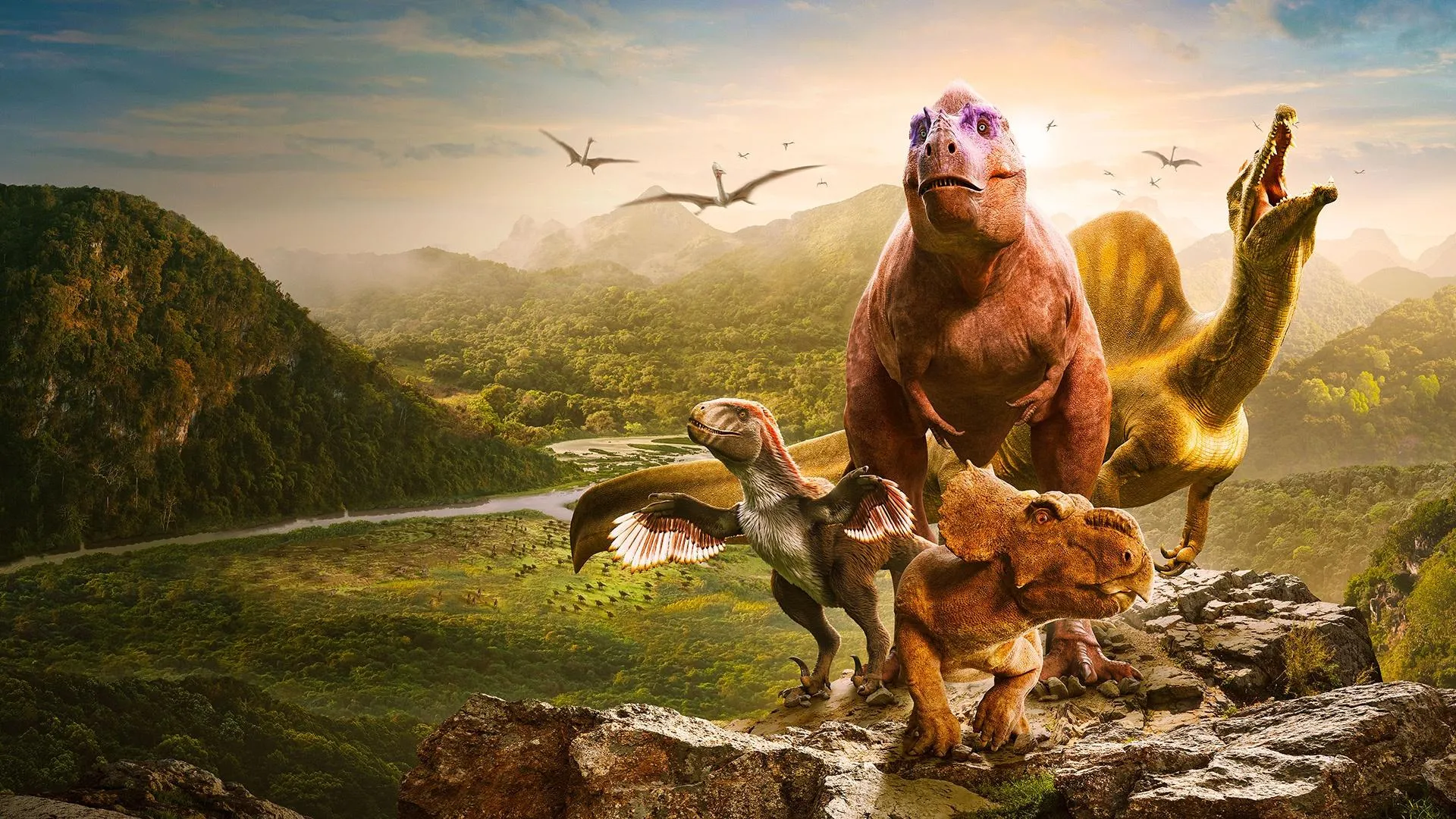
When Ice Age: Dawn of the Dinosaurs hit theaters in 2009, audiences loved the spectacle of massive reptiles stomping through a tropical jungle hidden beneath the ice. Yet the film sparked a quiet groan among paleontology enthusiasts. Dinosaurs went extinct roughly 65 million years before woolly mammoths, saber-toothed cats, and early humans shared the planet. Dropping Manny, Sid, and Diego into a subterranean world full of surviving T-Rexes threw scientific accuracy entirely out the window.
Was this chronological collision a lazy blunder, or a necessary creative gamble to save an aging animation franchise? Let's break down how the filmmakers built this prehistoric mashup, why it works in spite of the science, and whether the creative leap ultimately paid off.
The Chronological Gap: What the Science Actually Says
To understand why the premise raised eyebrows, we have to look at the real geologic timeline. The Mesozoic Era—the age of dinosaurs—ended around 66 million years ago following a catastrophic asteroid impact. The Pleistocene epoch, commonly known as the Ice Age, didn't begin until roughly 2.6 million years ago.
That leaves a roughly 63-million-year gap between the last non-avian dinosaur and the first woolly mammoth. In reality, the landscape Manny and his herd navigate would have been entirely devoid of reptilian megafauna. Instead, they would have contended with creatures like dire wolves, giant ground sloths, and saber-toothed cats that actually coexisted in the late Pleistocene.
When Blue Sky Studios decided to plunge the characters underground into a warm, humid jungle, they weren't aiming for a documentary. They were leaning into cartoon physics and high-stakes adventure.
Why the Creative Team Chose Dinosaurs
By the third installment, animated franchises face a severe risk of creative fatigue. The first movie established a tight, emotionally grounded road trip across frozen tundras. The second film introduced global warming and melting ice sheets. If the third movie simply repeated another snowy migration, viewers would have grown bored.
Directors Carlos Saldanha and Mike Thurmeier needed higher stakes, a richer color palette, and a completely new visual sandbox. A lush underground world provided:
- Visual contrast: Swapping monotonous white snowscapes for vibrant greens, glowing flora, and towering ferns injected fresh visual energy into every frame.
- Scale and peril: Mammoths are massive, but they pale in comparison to a brooding Tyrannosaurus rex or a flock of aggressive pterosaurs.
- Character friction: Sid the sloth adopting dinosaur eggs created an immediate, high-conflict maternal arc that forced the entire herd out of their comfort zone.
The creators didn't accidentally misread a history textbook. They knowingly bent the timeline to engineer a richer playground for slapstick comedy and action set pieces.
The Introduction of Buck: Anchoring the Madness
A less disciplined script would have collapsed under the weight of such an absurd premise. What saved Ice Age 3 from feeling entirely ungrounded was the introduction of Buck, a one-eyed, unhinged weasel voiced by Simon Pegg.
Buck serves as the narrative bridge between the icy surface world and the deep subterranean jungle. By presenting Buck as an eccentric survivalist who has lived underground for years, the film establishes its own internal logic. He treats the prehistoric hazards with a mixture of military precision and manic glee, giving the audience permission to accept the scientific impossibility of the setting.
Instead of explaining away the dinosaurs with convoluted scientific jargon, the film uses fast-paced humor and sheer momentum to keep viewers from asking too hard of questions.
Common Criticisms From Fans and Critics
While the box office numbers proved the gamble worked—grossing over 880 million dollars worldwide—the film drew valid critiques from animation purists and science educators.
- Loss of atmospheric realism: The first movie felt grounded in a harsh, cold, desperate environment. Moving to a neon-lit tropical jungle felt like a massive genre shift.
- Pacing fatigue: The narrative occasionally sacrifices quiet character moments in favor of relentless chase sequences and roller-coaster action beats.
- Disregard for continuity: Characters seamlessly transition from freezing glaciers to humid tropical canopies without accounting for atmospheric or physiological changes.
Frequently Asked Questions
Did any dinosaurs survive into the Ice Age?
No. Non-avian dinosaurs went extinct 66 million years ago, long before the first ice sheets of the Pleistocene epoch formed.
Why did Sid steal dinosaur eggs in the movie?
Sid felt left out because Manny and Ellie were starting a family, leading him to adopt three abandoned eggs he found in an underground cavern, which eventually hatched into baby T-Rexes.
Was Ice Age 3 the highest-grossing film in the franchise?
It held the record for the highest-grossing film in the franchise globally for several years, driven largely by international box office performance and the addition of 3D screenings.
Does the franchise ever return to realistic settings after this film?
Subsequent sequels lean even further into fantastical concepts, including continental drift and cosmic interventions involving space acorns.



