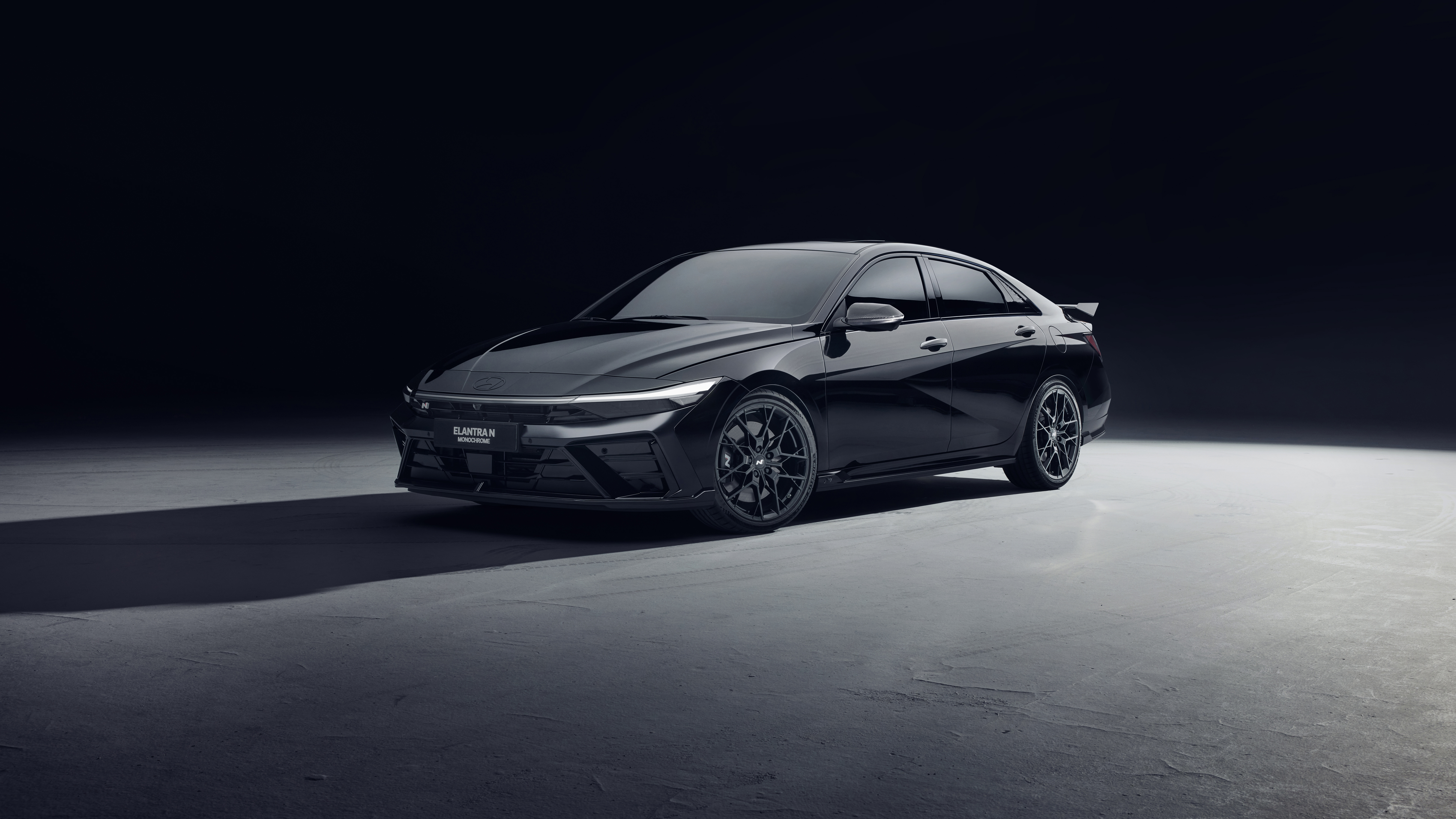
The Hyundai i30 N Line strikes a distinct balance between everyday practicality and track-inspired aesthetics. While it wears the aggressive styling cues of its hardcore sibling, the full-fat i30 N, it serves a completely different driver. It bridges the gap for commuters who want sharper handling, athletic design, and a compliant daily ride without the stiff penalty of a dedicated track weapon.
Underneath the bodywork, the engineering story focuses on chassis rigidity, suspension tuning, and responsive powertrain options. If you're weighing whether this trim delivers genuine driver engagement or just cosmetic upgrades, examining its core specifications reveals how it handles the road.
Powertrain Options and Output
Depending on your regional market, the i30 N Line relies on either a punchy turbocharged petrol engine or a high-efficiency alternative. The most common performance configuration features a 1.4-liter or 1.5-liter T-GDI engine, pushing out roughly 138 to 158 horsepower with a solid band of low-end torque.
Power delivery peaks early, giving you immediate throttle response when pulling away from lights or overtaking on two-lane roads.
- Engine Architecture: Inline-four cylinder, direct injection, turbocharged.
- Torque Curve: Maximum torque arrives low in the rev range, usually around 1,500 to 3,500 rpm, reducing the need for constant downshifting.
- Transmission Choices: A slick 6-speed manual gearbox or a quick-shifting 7-speed dual-clutch transmission (DCT) equipped with steering-wheel paddle shifters.
For deeper insights into vehicle configuration standards, check out the Hyundai Global Official Website.
Acceleration and Top Speed Capabilities
Drivers frequently ask how the N Line stacks up against traditional hot hatches. It's built for momentum rather than straight-line drag racing.
The sprint from 0 to 60 mph takes roughly 8.5 to 9.1 seconds, depending on transmission choice and occupant load. While that won't shatter records, it provides plenty of zip for highway merging and winding country roads.
The governed top speed sits right around 129 to 130 mph (208 to 209 km/h). Aerodynamic drag, tire selection, and final drive ratios dictate this ceiling. More importantly, the car feels remarkably stable at higher velocities, tracking straight with minimal steering corrections required.
Chassis Engineering and Suspension Tuning
The true magic of the N Line package happens away from the engine bay. Hyundai's European engineering center tuned the suspension specifically to handle lateral loads with composure.
Spring rates are stiffer than the standard i30 trim, and the damper valves are recalibrated to reduce body roll through tight corners.
- Front Suspension: Independent MacPherson struts with coil springs and a thicker stabilizer bar.
- Rear Suspension: Multi-link setup that keeps the rear planted over mid-corner bumps, avoiding the skittishness common in simpler torsion-beam cars.
- Steering Rack: The rack-mounted motor-driven power steering (R-MDPS) is tuned for quicker response and heavier on-center feel, eliminating the numb dead-zone found in commuter hatchbacks.
Braking and Grip Mechanics
Performance means nothing if you can't shed speed reliably. The N Line upgrades the braking hardware with larger front ventilated discs that resist fade during repeated heavy applications.
Factory footwear typically consists of 18-inch alloy wheels wrapped in low-profile performance tires, such as 225/40 R18 rubber. These tires increase the contact patch, translating steering inputs directly to the tarmac.
When pushing hard into a hairpin turn, you'll notice the car resists understeer much better than standard family hatchbacks. Brake pedal bite is progressive, making trail-braking intuitive even for novice track-day participants.
Common Driver Mistakes and Misconceptions
Many buyers mistake the N Line for a detuned i30 N. It's vital to clear up this confusion before making a purchase.
- Expecting a Track Monster: The N Line is an appearance and handling package. It doesn't feature the electronic limited-slip differential, variable exhaust valves, or 275-plus horsepower of the full N model. Treat it as a warm hatch, not a hot hatch.
- Neglecting Tire Pressures: Because of the stiff sidewalls on 18-inch low-profile tires, running incorrect PSI ruins ride comfort and degrades cornering grip. Check pressures monthly.
- Ignoring Transmission Warm-Ups: If you own the 7-speed DCT variant, let the gearbox fluids reach operating temperature before executing aggressive manual paddle shifts to ensure clutch longevity.
Frequently Asked Questions
Can the i30 N Line be easily tuned for more horsepower?
Yes, because it uses a turbocharged engine, ECU remaps and aftermarket exhaust systems can unlock extra power. However, ensure any modifications comply with local emissions laws and warranty stipulations.
How does fuel economy compare to standard hatchbacks?
Despite its sporty pretension, real-world fuel economy remains impressive. On highway runs, owners regularly report upwards of 40 MPG, making it an efficient daily driver.
Is the ride too stiff for daily commuting?
The suspension is noticeably firmer than a base model, meaning sharp potholes will transmit into the cabin. However, it strikes a comfortable enough balance for urban commuting without causing fatigue on long trips.
Does the N Line include a manual handbrake?
Depending on the model year and regional specification, newer iterations lean toward electronic parking brakes, though earlier manual models retain a traditional mechanical handbrake lever.



