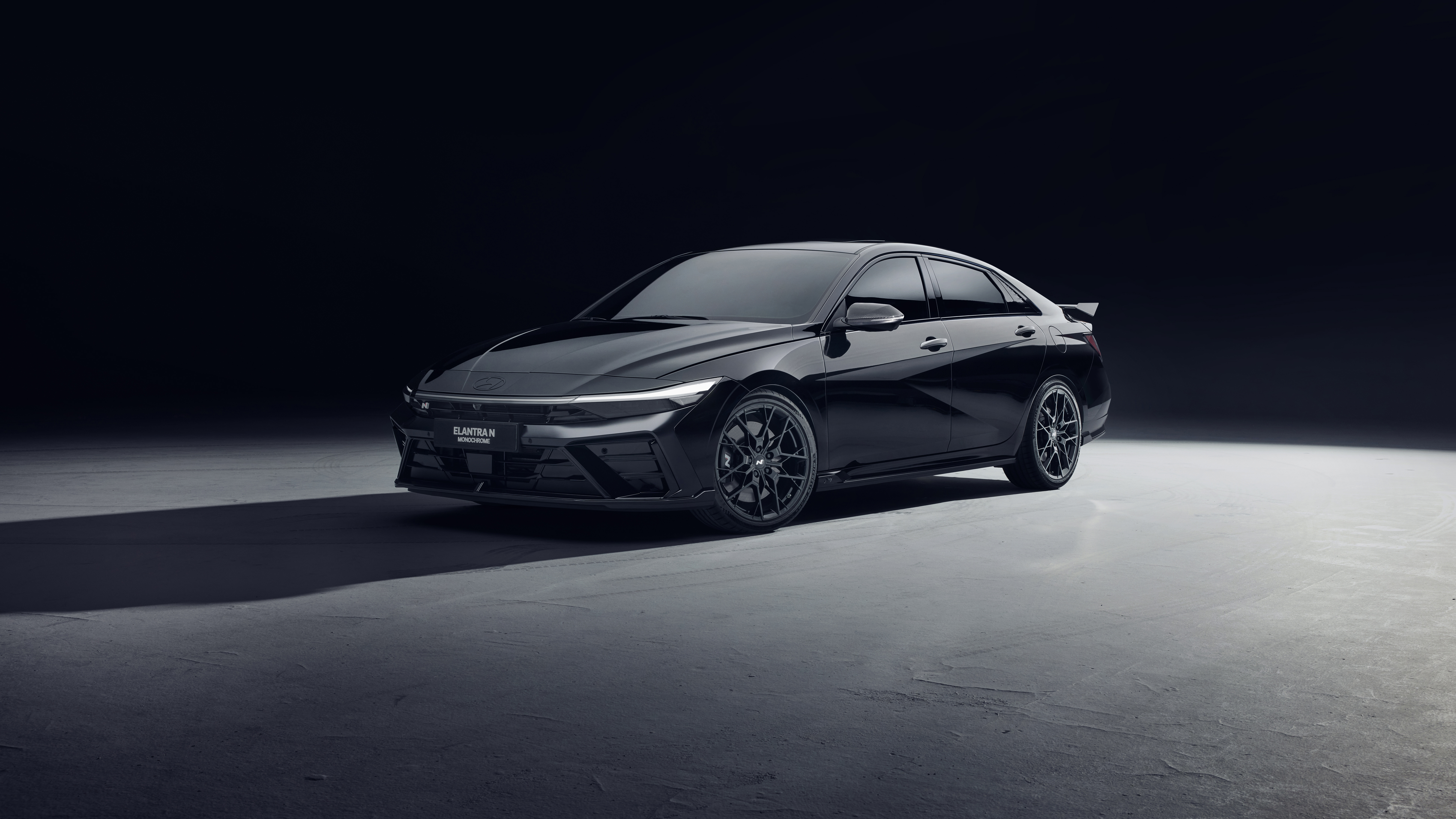
The Hyundai i30 N Line occupies a specific space in the automotive market. It bridges the gap between conventional commuter hatchbacks and full-fat, track-bred performance machines like the hardcore i30 N. Instead of punishing suspension and a heavy thirst for fuel, this variant delivers aggressive styling, sharp handling adjustments, and daily drivability without breaking the bank. It's built for drivers who want the visual theater and athletic road manners of a hot hatch while keeping running costs manageable for the daily office commute.
Beneath its sculpted exterior bodywork, the i30 N Line relies on an energetic turbocharged engine paired with mechanical tweaks that elevate it well above standard family transport. It doesn't claim the blistering 280 horsepower of its big brother, but it doesn't demand compromises either. Let's break down how this well-balanced package performs on real-world asphalt, what you get for your money, and whether it deserves a spot in your garage.
Design and Visual Attitude
The exterior styling sets the tone immediately. Hyundai didn't just slap a badge on a base model and call it a day; the N Line treatment borrows heavily from its high-performance siblings to create genuine road presence.
Up front, a wider mesh grille is flanked by sharp LED headlights and aerodynamic functional vents designed to clean up airflow around the front wheels. The bumper sits lower and looks meaner, giving the car a planted stance even when parked. Along the flanks, dark alloy wheels—typically measuring 18 inches—fill the arches neatly, accompanied by body-colored side skirts and black mirror caps.
At the rear, a twin-tip exhaust setup and a subtle gloss-black roof spoiler finish the look. It's purposeful without looking juvenile, capturing attention without drawing unwanted scrutiny from traffic enforcement.
Cabin Layout and Ergonomics
Step inside, and the cabin maintains the athletic theme with several thoughtful touches. The interior avoids the monotonous black plastic sea common in this vehicle class by mixing textured surfaces with contrasting red stitching across the steering wheel, gear shifter, and bolsters.
- Sports Seats: Deeply bolstered bucket seats keep you firmly planted during cornering maneuvers without causing lower back fatigue on long highway stretches.
- Steering Wheel: A perforated leather-wrapped steering wheel features metallic spokes and quick-access audio controls.
- Digital Cockpit: A crisp digital instrument cluster pairs with a responsive central touchscreen supporting smartphone mirroring.
Cargo space remains practical. You get a generous boot capacity that easily swallows weekly grocery hauls or luggage for a weekend trip. Rear legroom is adequate for average-sized adults, though taller passengers might find rear headroom slightly compromised by the sloping roofline.
Engine Performance and Drivability
The mechanical heart of the i30 N Line is typically a 1.6-liter turbocharged four-cylinder engine, pushing out roughly 201 horsepower and 265 Nm of torque. Power routes to the front wheels via either a slick six-speed manual gearbox or a responsive seven-speed dual-clutch transmission (DCT) equipped with paddle shifters.
Throttle response is eager, especially in the mid-range where peak torque arrives early. While it won't pin you into your seat quite like a dedicated sports car, overtaking slower highway traffic requires little effort.
The suspension tuning is where the N Line truly earns its badge. Engineers stiffened the dampers and revised the geometry compared to standard i30 variants. Body roll through tight bends is well-controlled, and turn-in is direct and predictable. It communicates road conditions clearly to your fingertips, making canyon roads genuinely fun. Yet, over broken urban pavement, it manages to absorb harsh impacts well enough to prevent your spine from taking a beating.
Fuel Economy and Running Costs
Daily ownership costs remain one of the strongest arguments for choosing an N Line over a full performance variant. Official combined fuel consumption figures hover around 6.4 to 7.1 liters per 100 kilometers, depending on your choice of transmission. Real-world driving usually lands close to these estimates unless you spend your entire commute idling in heavy gridlock or exploring the upper reaches of the tachometer.
Insurance brackets are generally friendlier than those for high-output turbo models, and routine maintenance relies on mainstream parts availability. You get sporty aesthetics and engaging driving dynamics without the premium servicing penalties associated with track-focused hardware.
Safety Equipment and Driver Assistance
Modern drivers expect a robust safety suite, and Hyundai equips the N Line accordingly. Standard electronic safeguards include autonomous emergency braking, lane-keep assist, lane-following assist, and driver attention warnings.
Higher trim levels add blind-spot monitoring, rear cross-traffic alert with braking, and adaptive cruise control for effortless highway cruising. While some of the lane-centering chimes can grow repetitive on long trips, they can be adjusted or turned off easily via steering wheel shortcuts.
Frequently Asked Questions
Is the Hyundai i30 N Line a true hot hatch?
It sits closer to the warm hatch category. It offers sporty styling, responsive handling, and a punchy engine, but lacks the extreme power and track-focused suspension stiffness of the full i30 N.
Does the N Line require premium fuel?
Most model years run comfortably on standard regular unleaded fuel, keeping refueling costs lower than performance models that demand high-octane premium blends.
Is a manual or automatic transmission better for this car?
The six-speed manual offers a more engaging, tactile connection for enthusiasts. However, the seven-speed dual-clutch automatic provides smooth, rapid gear changes that make daily urban commuting much easier.
How does it compare to competitors like the Volkswagen Golf R-Line?
The i30 N Line typically undercuts competitors on price while offering a richer list of standard interior technology and a slightly sharper, more playful chassis tune.
Can you fit child safety seats in the rear?
Yes, the rear outboard seats include accessible ISOFIX anchor points, making it suitable for young families needing daily practicality alongside athletic styling.



