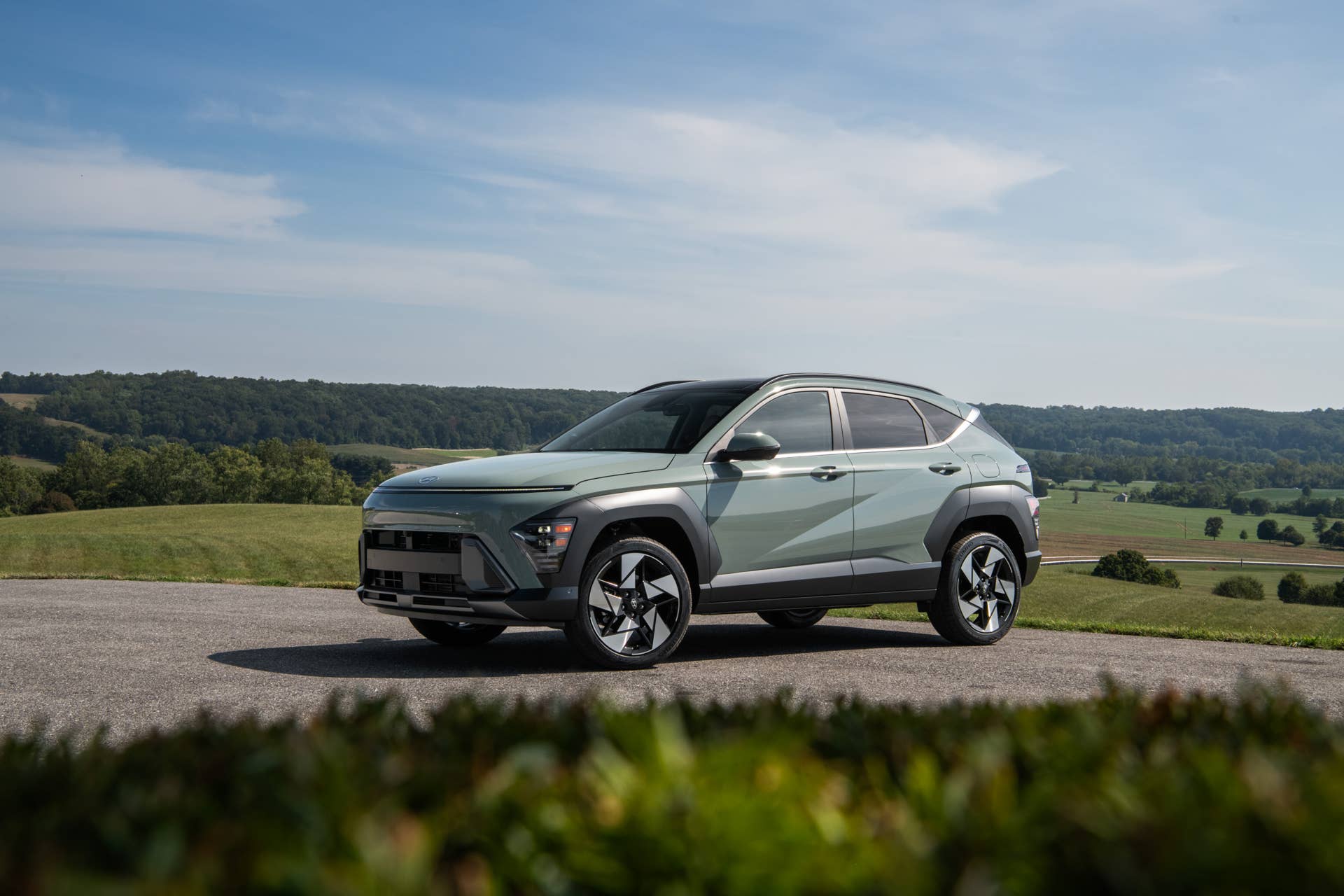
Shopping for a sensible hatchback often leads straight to the entry-level tier, where price tags stay reasonable and basic needs get met. The Hyundai i30 base model strips away heavy luxury markups to focus on what daily drivers actually use. It delivers practical commuting competence without forcing you to pay for leather upholstery or panoramic roofs you don't need.
Choosing an entry trim requires looking past marketing gloss to check real-world specifications, fuel economy, and standard safety gear. This breakdown cuts through the noise to examine what the entry-level i30 brings to the driveway, where it saves you money, and where compromises show up on long highway stretches.
Core Specifications and Performance
Entry-level hatchbacks live or die by their mechanical setup. Under the hood, base variants typically feature efficient powerplants tuned for daily commuting rather than track days. Depending on your regional market, you'll find options ranging from efficient direct-injection petrol engines to mild-hybrid configurations.
- Engine Configuration: Commonly pairs with a responsive 4-cylinder engine or a compact turbo setup.
- Power Output: Generates around 100 to 128 horsepower, which handles urban merging and highway cruising safely.
- Transmission: Mated to a traditional 6-speed manual or a clean-shifting automatic option.
- Fuel Economy: Regularly averages competitive marks around 6 to 7 litres per 100 kilometres, keeping fuel stops affordable.
Power delivery feels linear and predictable. You won't get neck-snapping acceleration, but the steering weight is light enough for tight parking lots while remaining stable at highway speeds. Further reporting on this matter has been provided by BBC.
Interior Layout and Practicality
Cabin space dictates whether a hatchback feels like a penalty box or a comfortable daily driver. The entry-level i30 layout prioritizes ergonomics over flashiness. Cloth seats offer decent long-distance support, and the dashboard layout keeps physical buttons for core climate controls instead of burying everything deep inside touchscreen menus.
Rear legroom accommodates average adults comfortably for short to medium trips, though taller passengers on long road trips might wish for a touch more knee room. Boot space sits at a practical 378 litres with the rear seats up, expanding significantly when you fold the 60-40 split rear bench flat. Grocery runs, luggage, and bulky boxes fit easily through the wide hatch opening.
Technology and Connectivity
Base models used to mean rolling down windows by hand and staring at blank plastic dash plates. Modern entry trims flip that script. The base i30 includes a crisp central touchscreen display—usually around 8 inches—running smartphone integration.
- Phone Integration: Wired Apple CarPlay and Android Auto come standard, letting you bypass clunky factory navigation in favor of your preferred map apps.
- Audio Setup: A multi-speaker stereo system delivers clear sound for podcasts and music streaming.
- Driver Displays: Clear analog gauges flank a digital multi-information screen tracking trip data, tire pressures, and fuel consumption.
Standard Safety Equipment
Safety tech should never be restricted only to top-tier trims. Hyundai equips the entry i30 with a comprehensive suite of driver-assist systems to protect occupants on busy commutes.
- Forward Collision-Avoidance: Monitors the road ahead for vehicles or pedestrians, applying emergency braking if a sudden hazard appears.
- Lane Keeping Assist: Gently nudges the steering wheel if you drift out of your lane without signaling.
- Driver Attention Warning: Analyzes steering patterns to suggest a coffee break if signs of fatigue crop up.
- Airbag Coverage: A complete array of front, side, and curtain airbags covers the cabin.
You can review official safety ratings and structural crash test data directly via the ANCAP Safety portal to see how the chassis performs under impact.
Ownership Costs and Warranty Protection
Financial value extends far beyond the initial sticker price. Insurance groups for base models are typically lower because repair costs for basic bumpers and 16-inch wheels are manageable. Furthermore, long manufacturer warranties provide substantial peace of mind against unexpected mechanical faults.
Routine service intervals generally fall every 12 months or 15,000 kilometres, whichever comes first. Parts availability is strong globally, meaning routine maintenance items like brake pads and filters won't drain your wallet.
Common Compromises to Expect
Buying the entry model means skipping certain creature comforts. Before signing paperwork, consider whether you will miss these omitted items:
- Wheel Styling: Base trims usually ride on steel wheels with plastic hubcaps rather than flashy alloy wheels.
- Upholstery: Durable cloth replaces premium leather or synthetic alternatives.
- Convenience Extras: Push-button start, dual-zone climate control, and heated front seats are typically reserved for higher trims.
If these missing features matter to you, stepping up one trim level might make sense. Otherwise, the base variant saves you cash where it counts.
Frequently Asked Questions
Does the base model i30 have a backup camera?
Yes, a rearview camera with dynamic guidelines comes standard, making parallel parking straightforward.
Can I connect my phone without a USB cable?
Base configurations typically require a wired cable connection for Apple CarPlay and Android Auto, though charging ports are readily accessible on the center console.
Is the manual transmission difficult to drive in traffic?
The 6-speed manual features a light clutch pedal and a forgiving bite point, though an automatic transmission is widely available if you deal with heavy daily gridlock.
How does the base model hold its resale value?
Hatchbacks with strong fuel economy and solid reliability records generally retain stable resale value, particularly among student drivers and urban commuters looking for affordable transport.



