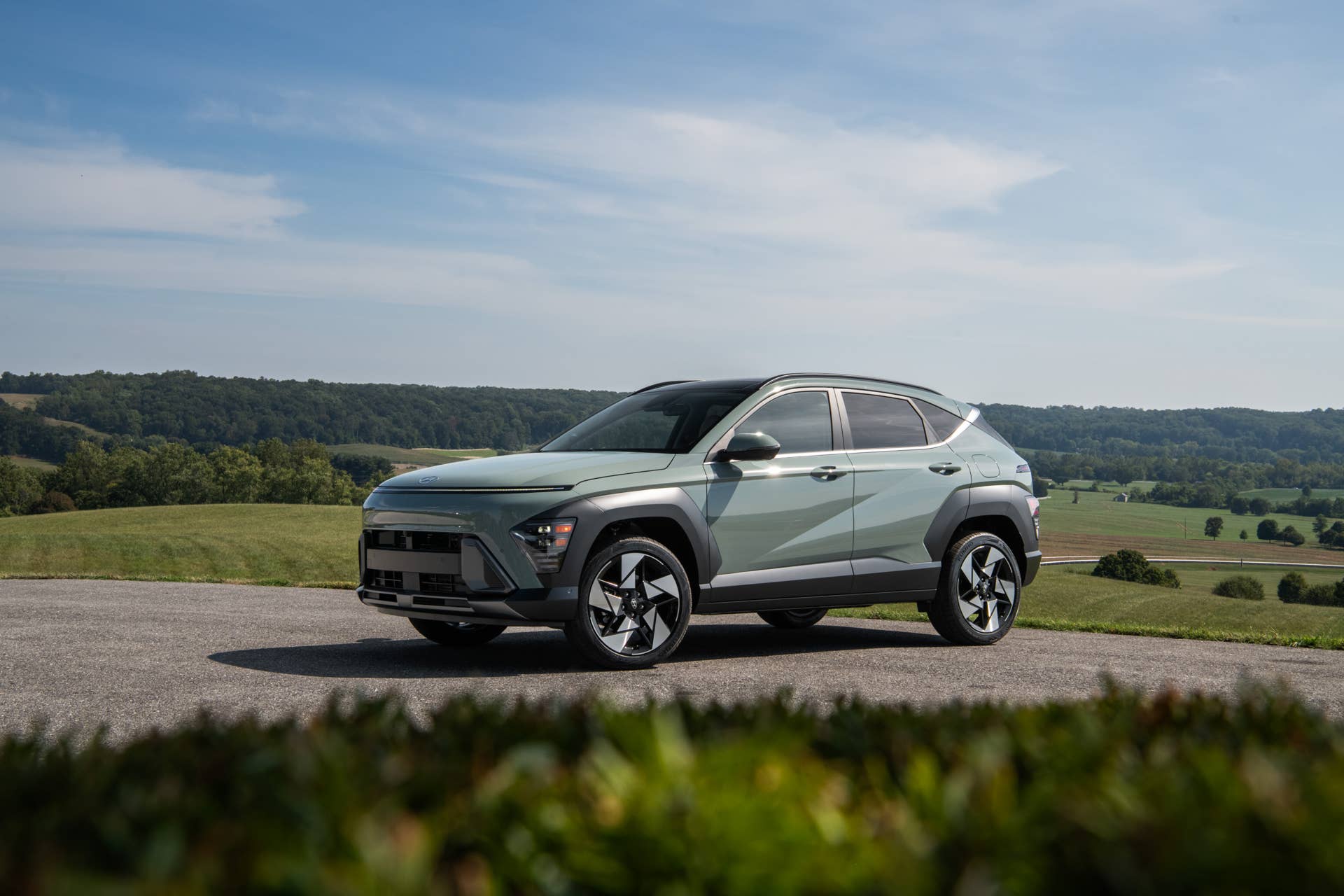
The Hyundai HB20 is a dominant force in Latin American subcompact markets, built specifically by Hyundai to tackle urban driving realities. If you're looking for a daily driver that balances affordability, nimble handling, and modern connectivity, this hatchback and sedan lineup demands a close look. It's built on a dedicated platform that prioritizes space efficiency, making it a top seller in regions like Brazil and Mexico.
Under the hood, you get a choice of efficient powerplants tailored for stop-and-go city traffic and occasional highway cruising. Buyers can choose between a lightweight 1.0-liter three-cylinder engine and a punchier 1.6-liter four-cylinder option. While it doesn't pretend to be a sports car, it delivers respectable fuel economy and low maintenance costs that appeal directly to budget-conscious commuters.
Engine Performance and Powertrain Options
Performance specs vary depending on the model year and regional configuration, but the core engine choices remain consistent. The entry-level 1.0-liter Kappa engine focuses purely on efficiency, making it ideal for congested city streets. If you need more passing power on the highway, the 1.6-liter Gamma engine steps up with around 122 to 128 horsepower, depending on whether it runs on gasoline or ethanol blends.
Transmission pairings include a 5-speed manual, a 6-speed manual, or a smooth 6-speed automatic. Shifts are predictable, and the clutch pedal in manual variants has a light, forgiving bite point that doesn't wear you out in heavy traffic. Power delivery is linear, though you'll need to rev the naturally aspirated variants higher up the tachometer when climbing steep inclines with a full load of passengers.
Interior Layout, Comfort, and Technology
Stepping inside reveals a cabin that punches above its subcompact weight class. Hyundai manages interior packaging well, providing adequate legroom and headroom for front occupants, while rear passengers get reasonable space given the vehicle's sub-4-meter footprint. Materials lean heavily toward durable plastics to handle everyday wear, but textured dash inserts keep the environment from feeling clinical.
Infotainment features are centered around a responsive touchscreen interface equipped with Apple CarPlay and Android Auto integration. Physical buttons for climate control sit right below the screen, keeping adjustments intuitive while you're driving. Cargo capacity sits around 300 liters for the hatchback, which expands easily when you fold down the 60/40 split rear seats for larger grocery hauls or luggage.
Fuel Economy and Real-World Efficiency
Fuel efficiency is where this subcompact truly shines. Real-world testing shows that urban commutes yield roughly 11 to 12 kilometers per liter with gasoline, while highway stretches can push past 14 to 15 kilometers per liter depending on driving habits and load weight.
To maximize your fuel economy, keep these habits in mind:
- Maintain proper tire pressure to reduce rolling resistance on urban pavement.
- Use cruise control on open highway stretches to keep fuel delivery consistent.
- Avoid carrying unnecessary dead weight in the trunk during daily commutes.
- Anticipate traffic stops early to minimize heavy braking and abrupt acceleration cycles.
Safety Ratings and Equipment Evolution
Safety specs have evolved significantly across generations. Early models faced criticism for sparse baseline safety equipment, but newer iterations incorporate robust electronic stability control, up to six airbags on higher trims, and structural reinforcements designed to handle modern impact standards.
When evaluating used models or buying new, verify the specific trim level. Base models often omit advanced active safety features, so upgrading to mid-tier or top-tier trims (like the GLS) is worth the extra investment for peace of mind. For detailed safety crash test protocols and vehicle safety standards, check resources provided by Latin NCAP.
Common Mistakes to Avoid
Buyers transitioning into a subcompact car often run into a few predictable pitfalls. Keeping these missteps in mind ensures you pick the right configuration for your lifestyle:
- Skipping the test drive with a full load: If you frequently drive with family or friends, test how the 1.0-liter engine handles weight on hills before committing.
- Ignoring trim-level safety differences: Don't assume all variants have six airbags or electronic stability control standard. Check the window sticker carefully.
- Neglecting routine maintenance intervals: Small-displacement engines rely on fresh oil and clean filters to maintain their longevity and fuel efficiency.
Frequently Asked Questions
Is the Hyundai HB20 available globally?
No, it is specifically manufactured and marketed for select international markets, primarily in Latin America, where it serves as a cornerstone of Hyundai's regional lineup.
How does the HB20 compare to the Hyundai i20?
While they share similar sizing philosophy and platform roots, the HB20 is engineered and built locally in South America with unique flex-fuel capabilities and regional styling adjustments, whereas the i20 targets European and other global markets.
Which engine option is better for highway driving?
The 1.6-liter four-cylinder engine is significantly better suited for highway driving, offering quicker acceleration and more comfortable passing power at speeds above 90 km/h compared to the base 1.0-liter unit.
What is the trunk capacity of the hatchback versus the sedan?
The hatchback provides approximately 300 liters of cargo space, while the HB20S sedan variant expands that capacity to roughly 450 liters, making it a better fit for road trips and family hauling.



