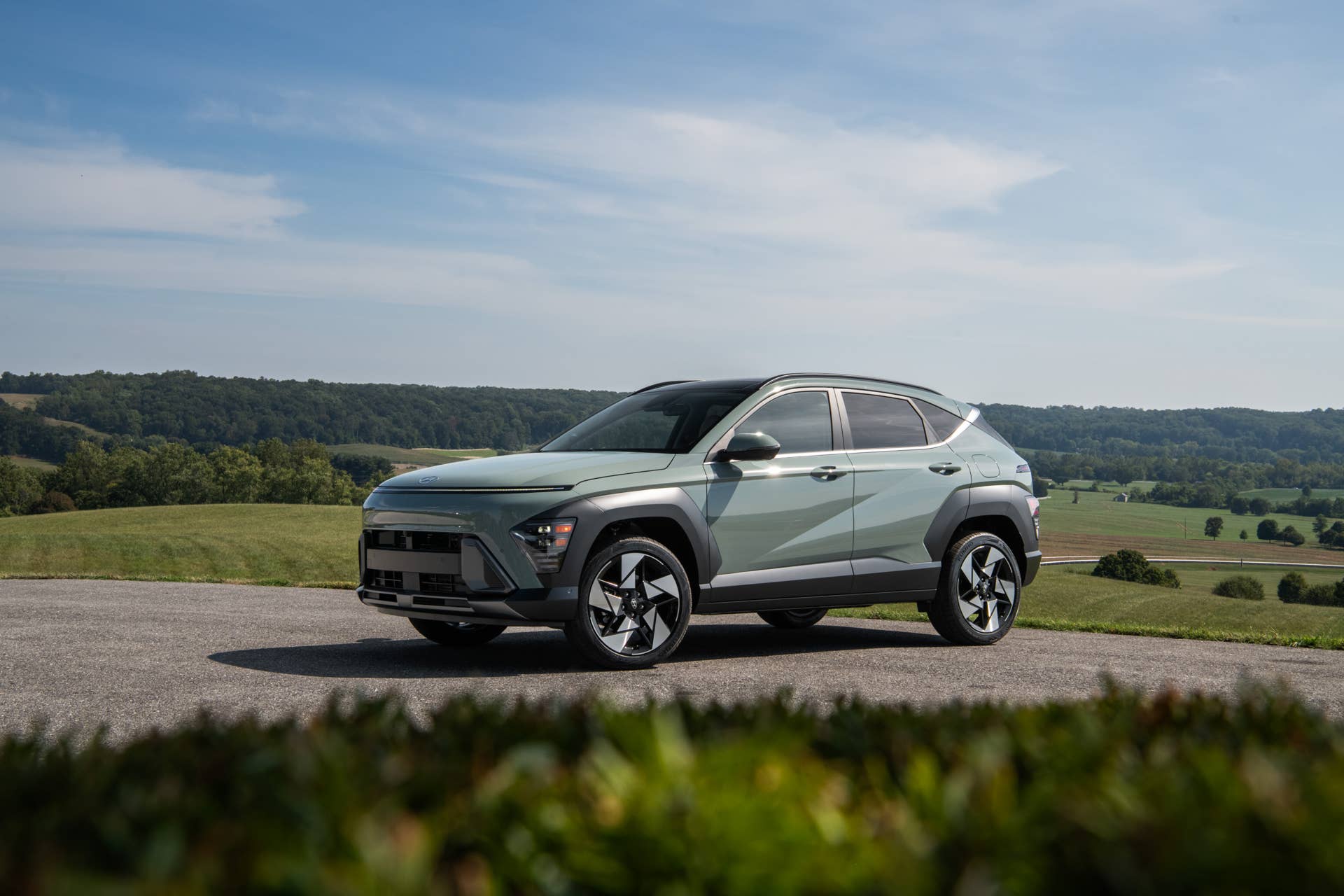
The Hyundai H1 balances heavy commercial utility with people-moving capacity. Buyers looking at this multi-purpose vehicle need concrete numbers rather than marketing language. Let's break down the exact footprint, powertrain options, and real-world performance metrics of this platform.
Measuring 5,150 mm in length, 1,920 mm in width, and 1,935 mm in height with a 3,200 mm wheelbase, the H1 has a substantial road presence. It's available in multiple configurations ranging from a 3-seater panel van to a 12-seater passenger wagon. Power comes from either a 2.4-liter petrol engine or a 2.5-liter CRDi diesel powerplant, paired with rear-wheel drive.
Exterior Dimensions and Body Footprint
Understanding the physical size of the Hyundai H1 helps determine garage clearance and tight-space maneuverability. It's a large vehicle designed to maximize interior volume without sacrificing urban viability entirely.
- Overall Length: 5,150 mm (16 feet 11 inches)
- Overall Width: 1,920 mm (6 feet 4 inches)
- Overall Height: 1,935 mm (6 feet 4 inches)
- Wheelbase: 3,200 mm (10 feet 6 inches)
- Ground Clearance: 190 mm
The 190 mm ground clearance handles speed bumps and uneven tarmac easily, even when the cabin carries a full load. However, at nearly two meters tall, you'll want to double-check multi-story parking garage height restrictions before driving inside. The turning radius sits around 5.6 to 6.5 meters depending on the steering setup and model year, meaning U-turns require wide lanes.
Interior Layout and Seating Configurations
The versatility of the H1 stems from its interior packaging. Depending on the chosen trim, it serves as a cargo hauler or a high-capacity shuttle.
- Panel Van Variants: Typically configured for 3 occupants across a single front bench, prioritizing a massive rear cargo box.
- Wagon Variants: Arranged in three or four rows to seat up to 9 or 12 passengers comfortably.
Cargo volume varies wildly based on configuration. Panel van versions offer thousands of liters of unobstructed floor space, while 12-seater passenger versions consume rear floor space for seating benches. If you regularly haul cargo and people simultaneously, you'll need to remove or fold the rear-most rows.
Engine Options and Powertrain Mechanics
Hyundai offered the H1 with distinct power plants tailored to regional demands, focusing heavily on durability under load.
The 2.5-Liter CRDi Diesel Engine
The diesel variant is popular for commercial fleets due to its low-end torque delivery.
- Displacement: 2,497 cc
- Cylinders: 4-cylinder in-line
- Horsepower: 168 hp to 170 hp at 3,600 rpm
- Torque: 343 Nm to 441 Nm starting from 2,250 rpm
- Valvetrain: DOHC with 4 valves per cylinder
This high torque figure allows the van to pull away smoothly from a dead stop even when fully loaded with twelve adults.
The 2.4-Liter Petrol Engine
The gasoline alternative prioritizes smoother idle characteristics and lower initial purchase costs in specific markets.
- Displacement: 2,400 cc
- Horsepower: 175 bhp
- Torque: 228 Nm
While the petrol version matches the diesel in peak horsepower, its lower torque curve means you'll rev the engine harder when climbing steep grades with a heavy payload.
Transmission and Drivetrain
Power routes exclusively to the rear wheels (RWD) across all major configurations. Rear-wheel drive prevents torque steer when heavily laden and provides balanced weight distribution under heavy cargo weight.
- Manual Transmission: 5-speed manual gearboxes feature closely spaced lower gears for initial launch control.
- Automatic Transmission: 5-speed automatic units provide relaxed highway cruising, though they lack the extra ratios found in modern 8-speed gearboxes.
Performance and Fuel Economy
Performance metrics for a utility vehicle center on load capacity and fuel endurance rather than zero-to-sixty times. Acceleration from 0 to 100 km/h takes roughly 14.5 to 17 seconds depending on the engine and passenger load. Top speed peaks near 170 to 182 km/h, which is more than adequate for sustained highway driving.
- Fuel Tank Capacity: 75 liters across all main variants.
- Diesel Fuel Economy: Averages 8 to 9 km/L in city conditions, stretching up to 12 km/L on open highways.
- Petrol Fuel Economy: Averages 6.9 to 8.2 km/L.
With a 75-liter tank and efficient highway diesel mapping, long-distance intercity trips require fewer fuel stops than petrol-driven competitors. You can check official vehicle safety ratings and broader fleet insights through organizations like the Australasian New Car Assessment Program for structural crash safety background.
Suspension, Steering, and Ride Quality
To handle a payload that can exceed 1,000 kg, the H1 uses a rugged chassis architecture.
- Front Suspension: McPherson struts with coil springs.
- Rear Suspension: Multi-link wishbone or heavy-duty leaf springs depending on whether the model is optimized for passenger comfort or heavy cargo hauling.
- Brakes: Solid discs on both front and rear axles.
Empty cargo variants can feel slightly jittery at the rear over sharp potholes due to stiff leaf springs. Once loaded down, the ride settles significantly. Rack-and-pinion steering with power assistance keeps parking lot maneuvers manageable, though you'll feel the vehicle's length in tight spaces. For general automotive history and context on light commercial vehicles, review resources like Encyclopædia Britannica.
Frequently Asked Questions
What is the maximum seating capacity of the Hyundai H1?
The H1 accommodates up to 12 people in its maximum passenger wagon configuration. Panel van versions reduce this to 3 seats to maximize floor space for cargo.
Is the Hyundai H1 front-wheel drive or rear-wheel drive?
All models utilize a rear-wheel-drive (RWD) layout. This design choice aids traction and weight distribution when carrying heavy loads or towing.
What is the fuel tank capacity of the H1?
Every major variant of the H1 comes equipped with a 75-liter fuel tank, providing a practical cruising range of over 600 kilometers on diesel highway cycles.
Can the rear seats be removed entirely?
In passenger variants, the seats can be folded or unbolted to expand cargo room, though the process requires basic tools and workspace due to the heavy bench structures.



