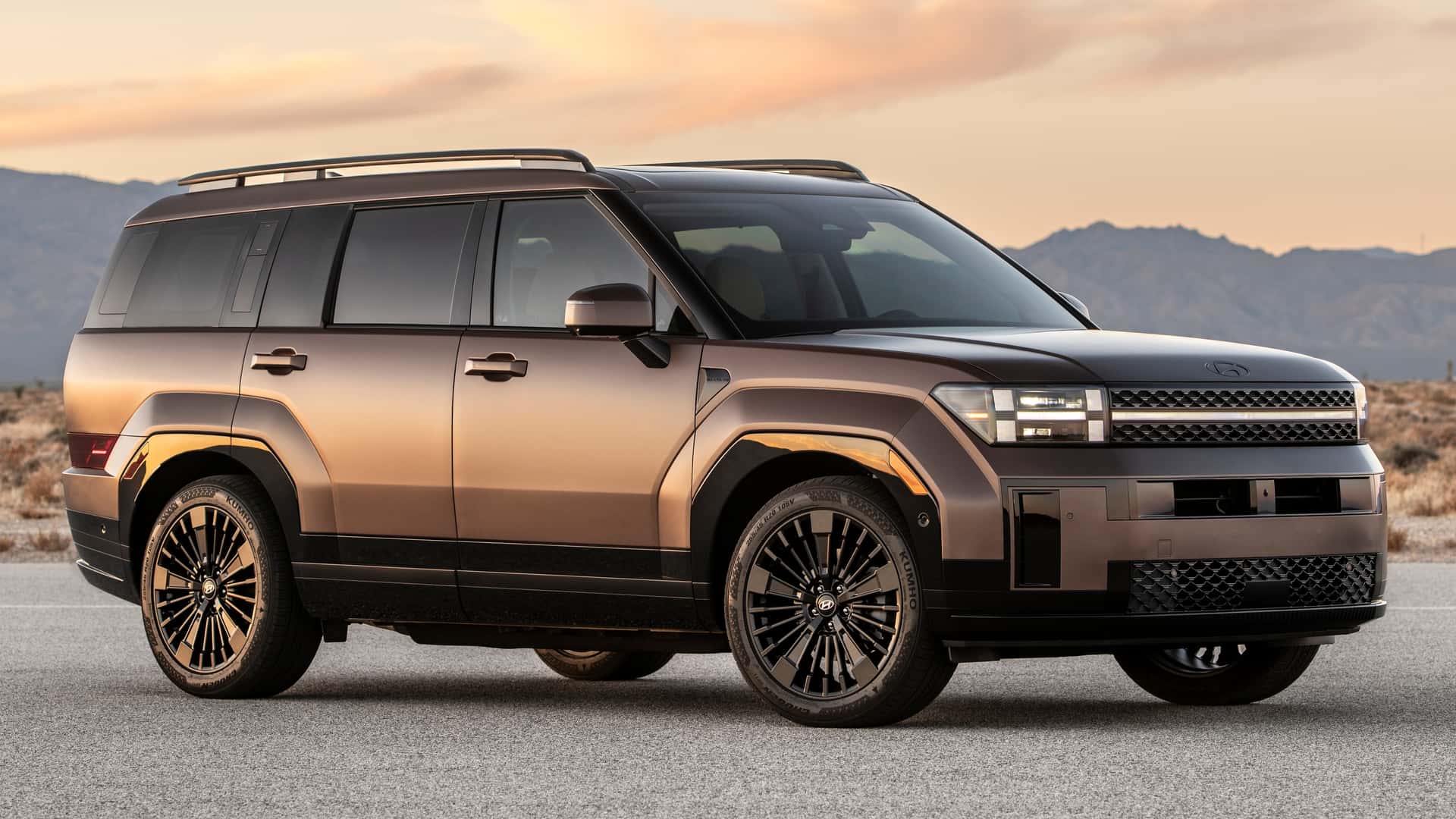
Hyundai's electric vehicle lineup has shifted from an ambitious experiment into a dominant market force. If you're looking for exact specifications, charging speeds, and a realistic look at their upcoming models without the corporate fluff, you're in the right place.
The core of Hyundai's electric strategy relies on the modular E-GMP (Electric Global Modular Platform) architecture. This dedicated platform allows cars like the IONIQ 5 and IONIQ 6 to offer ultra-fast 800V charging, flat interior floors, and bidirectional power capabilities that traditional converted gas platforms simply can't match.
Current Hyundai Electric Car Lineup
Hyundai structures its pure electric fleet across compact crossovers, performance hatchbacks, streamlined sedans, and three-row family haulers.
Kona Electric
Serving as an accessible entry point to EV ownership, the Kona Electric suits urban commuters and small families.
- Battery and Power: Equipped with a 64.8 kWh battery pack paired with a front-mounted motor pushing roughly 201 horsepower.
- Range: Delivers an EPA-estimated range of around 260 miles (or roughly 420 kilometers).
- Charging: Supports DC fast charging to replenish the battery from 10% to 80% in about 43 minutes.
IONIQ 5
The IONIQ 5 remains Hyundai's cultural and commercial anchor, known for its retro-futuristic pixel-LED lighting and sharp angles.
- Platform: Built on the 800V E-GMP architecture, enabling lightning-fast top-ups.
- Range: Rear-wheel-drive variants push up to an EPA-estimated 318 miles on a single charge.
- Charging Speed: Hook it up to a 350 kW DC fast charger, and it jumps from 10% to 80% in just 18 minutes.
- V2L (Vehicle-to-Load): Features an integrated power outlet capable of supplying up to 1.9kW of 120V electricity to run laptops, camping gear, or household appliances.
IONIQ 5 N
For driving enthusiasts, the IONIQ 5 N brings track-ready performance to the electric space. It features simulated dual-clutch transmission shifts (N e-shift) and artificial engine sounds (N Active Sound+), mimicking a high-revving internal combustion engine car to give drivers traditional tactile feedback. Total output hits 601 horsepower, jumping to 641 horsepower with N Grin Boost engaged.
IONIQ 6
The IONIQ 6 swaps boxy SUV proportions for an ultra-sleek, streamliner sedan silhouette. Its aerodynamics play a massive role in efficiency, achieving a drag coefficient of just 0.22. This low resistance allows long-range variants to push past 340 miles of driving range per charge, making it a favorite for frequent highway drivers.
Future Hyundai Electric Models
Hyundai's roadmap focuses on scaling up family options and expanding compact global offerings.
IONIQ 9
Filling the large family gap, the IONIQ 9 is Hyundai's first three-row fully electric SUV.
- Seating: Configurable for six or seven passengers with a genuinely usable adult third row.
- Range: Powered by a large 110.3 kWh battery pack targeting up to 335 miles of EPA-estimated range.
- Performance: Dual-motor all-wheel-drive setups generate up to 422 horsepower.
Compact Urban Additions
In international markets, vehicles like the subcompact Inster EV target tight city streets with smaller battery footprints and lower price points, proving that sustainable mobility doesn't always require a massive vehicle or a luxury price tag. Additionally, integration with the North American Charging Standard (NACS) grants Hyundai owners native access to Tesla Supercharger stations across the United States.
Common EV Mistakes to Avoid
Transitioning from a gas-powered car to an electric vehicle involves changing a few daily habits. Watch out for these common missteps:
- Charging to 100% daily: For everyday commuting, keeping your state of charge between 20% and 80% preserves long-term lithium-ion battery health. Only top up to maximum capacity before long road trips.
- Ignoring winter preconditioning: Cold weather impacts battery chemistry and range. Use your Hyundai's built-in battery preconditioning feature via the navigation system to warm the pack before arriving at a fast charger, ensuring maximum charging speeds.
- Overestimating high-speed range loss: Sustained high speeds on open highways drain batteries faster than stop-and-go city driving where regenerative braking recaptures energy. Plan your charging stops with a 15% safety buffer.
Frequently Asked Questions
Can Hyundai EVs use Tesla Superchargers?
Yes. Newer models incorporate native NACS ports, and adapter options exist for legacy E-GMP vehicles, allowing seamless access to the expanded DC fast-charging network.
How do I check my Hyundai EV battery health?
You can navigate through your vehicle's infotainment display, open the Electric Vehicle menu, and select the Battery Health screen to view degradation metrics.
What is Hyundai's Blue Drive strategy?
Blue Drive represents the brand's overarching environmental framework aimed at lowering carbon footprints across manufacturing, boosting fuel efficiency, and expanding zero-emission electric and hydrogen vehicle offerings.
Does V2L require an extra accessory?
No. The Vehicle-to-Load system on models like the IONIQ 5 uses an adapter plugged directly into the exterior charge port, converting the car's high-voltage battery into a mobile generator. Learn more about regional specifications directly from Hyundai USA or explore Hyundai Canada for cold-weather performance metrics.


