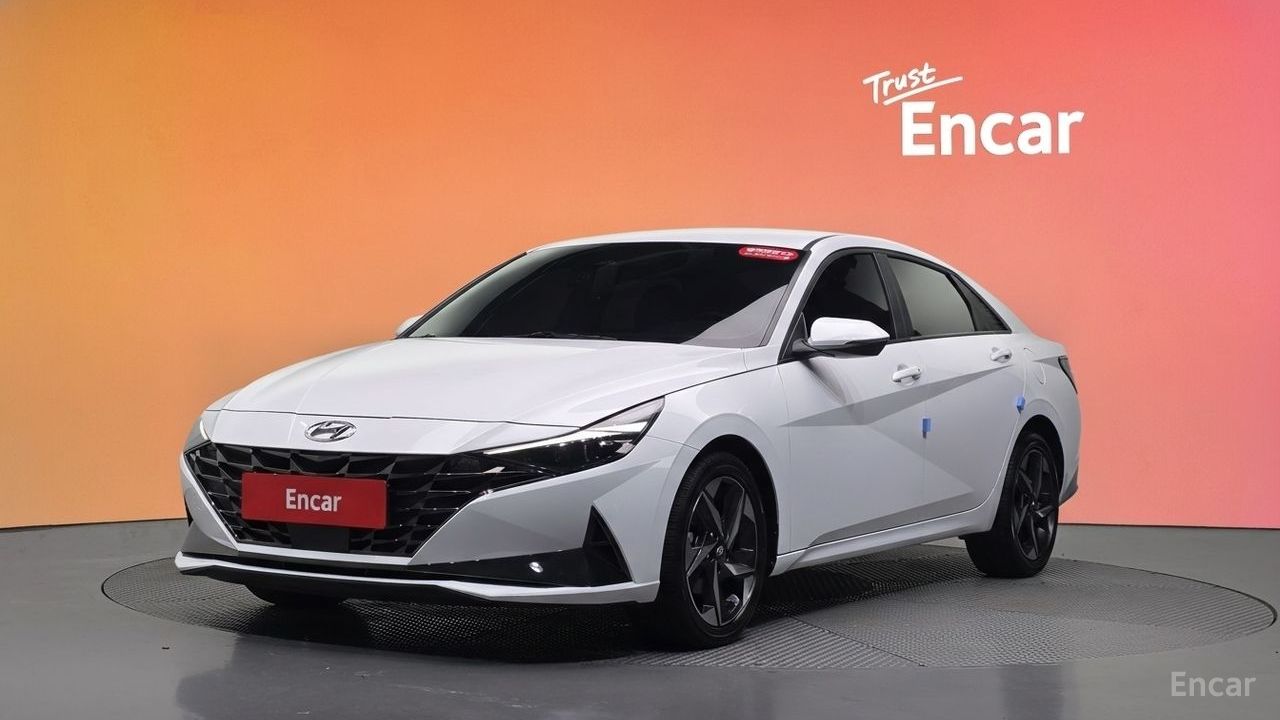
When people ask hyundai de donde es, they're usually tracking the roots of one of the world's most influential transportation giants. Hyundai comes from South Korea, with its global headquarters based in Seoul. What started as a modest post-war engineering firm has evolved into the core of the Hyundai Motor Group, operating plants, design hubs, and sales networks across more than 200 countries.
Understanding this brand requires looking beyond modern dealership showrooms. Its rise wasn't a smooth corporate rollout; it was forged through grit, national rebuilding, and a deliberate refusal to stay dependent on foreign technology.
The Founder and the Post-War Foundation
The story begins with Chung Ju-yung, born in 1915 in an impoverished farming family located in what is now North Korea. Chung left home multiple times as a teenager before finally settling in Seoul, where he worked odd jobs before running a successful rice delivery business. When Japanese wartime regulations forced that business to close, he shifted into automobile repair.
Following the liberation of Korea at the end of World War II, Chung established the Hyundai Auto Service and the Hyundai Civil Works Company in 1947. The word "Hyundai" itself translates from Korean as "modern" or "contemporary," a fitting title for a company meant to help rebuild a war-torn nation.
Initially, the enterprise focused heavily on civil engineering and construction. Hyundai secured massive infrastructure contracts with the South Korean government and U.S. armed forces, building roads, dams, and bridges. This heavy construction work generated the capital and logistical muscle required for a much bolder industrial leap.
Entering the Automotive Sector
In December 1967, Chung founded the Hyundai Motor Company. South Korea at the time lacked a domestic car industry, and local vehicle demand was tiny. Rather than remaining a local assembly shop for foreign brands like Ford—which was their initial partnership model—Chung decided the company had to design its own vehicles.
To achieve independence, Hyundai brought in global engineering talent. They hired George Turnbull, a former Austin-Morris executive from British Leyland, along with a team of British designers and engineers. This team built the brand's first fully independent production car: the Hyundai Pony. Released in 1975, the Pony featured styling by Italdesign Giugiaro and mechanical components sourced globally, including engines from Mitsubishi.
The Pony proved that South Korea could manufacture export-ready vehicles. It quickly dominated the domestic market and opened doors to international trade in South America, the Middle East, and Europe.
Global Expansion and the Birth of Genesis
During the 1980s, Hyundai set its sights on North America, launching the Hyundai Excel in the United States. While early models competed primarily on low price points, quality control issues quickly exposed the limits of rapid scaling.
In the late 1990s and early 2000s, leadership executed a massive pivot under Chung Mong-koo. Quality became the primary metric. The company invested heavily in state-of-the-art research facilities like the Namyang R&D Center and introduced landmark warranty programs that restored consumer confidence.
Key milestones in this global evolution include:
- The Kia Acquisition: Hyundai acquired a controlling stake in Kia Motors during the Asian financial crisis, forming the powerhouse Hyundai Motor Group.
- The Genesis Brand: Hyundai launched Genesis as a standalone luxury division to compete directly with German and Japanese premium marques.
- Electrification: The development of dedicated EV platforms, such as the Electric-Global Modular Platform (E-GMP), powering vehicles like the Ioniq series.
Common Misconceptions About Hyundai's Origins
Because Hyundai grew so rapidly, several myths persist regarding its identity and manufacturing footprint.
Many consumers assume Hyundai is Japanese due to early mechanical partnerships with brands like Mitsubishi. While early engines and transmissions relied on licensed Japanese tech, Hyundai transitioned to fully proprietary engineering decades ago.
Another common confusion involves geography. While the corporate roots and main design hubs remain in South Korea, Hyundai operates major manufacturing facilities worldwide. For instance, plants in Alabama (USA), the Czech Republic, India, and Mexico build vehicles specifically tailored to regional markets, making it a truly multinational entity while retaining its South Korean identity.
Frequently Asked Questions
Is Hyundai a South Korean company?
Yes. Hyundai was founded in Seoul, South Korea, where its global headquarters and primary research centers remain located.
Does Hyundai own Kia?
Hyundai Motor Group owns a controlling stake in Kia Corporation, though both brands operate independently in terms of vehicle design, marketing, and dealership networks.
Where are Hyundai cars manufactured for the global market?
While the brand is South Korean, it operates massive manufacturing complexes globally, including plants in the United States, Europe, India, and South Korea itself.
What does the word Hyundai mean?
In Korean, "Hyundai" translates to "modern" or "contemporary," reflecting the founder's vision for national industrialization and progress.



