When tropical storm systems brew over warm ocean waters, misinformation spreads just as fast as the weather updates. People often rely on outdated survival tricks or misunderstand how these massive weather systems behave, which puts homes and lives at risk. Separating reality from rumor is essential for anyone living in vulnerable coastal or inland corridors.
The primary search intent behind exploring hurricane facts and fiction is finding reliable, actionable clarity to cut through widespread public panic and unverified social media advice. Readers want to know which long-held beliefs—like taping glass windows or assuming wind is the primary killer—are dangerously wrong. This guide sets the record straight on how tropical systems operate, what hazards actually cause the most destruction, and how you can prepare effectively without falling for common traps.
Why Wind Isn't the Only Danger
A common misconception is that maximum sustained wind speed dictates the entire threat profile of an approaching tropical cyclone. While categories based on wind scales get the most media attention, they don't paint a full picture of potential devastation.
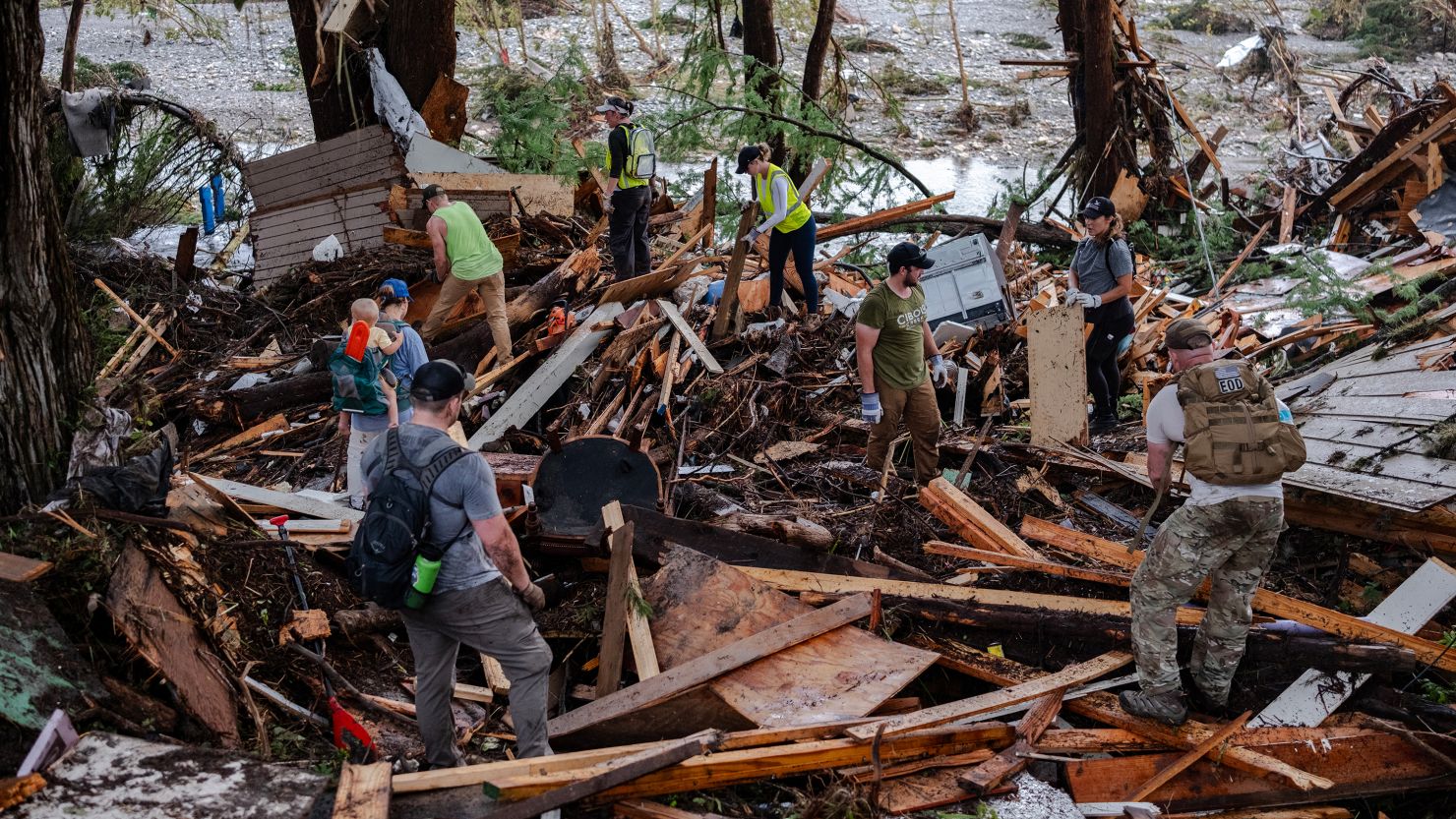
Water is responsible for the vast majority of fatalities during tropical weather events. Storm surge—the abnormal rise of water generated by a storm's winds pushing against the shore—and inland freshwater flooding account for nearly ninety percent of direct deaths. A slow-moving Category 1 system can dump catastrophic amounts of rain over a region for days, causing rivers to overflow long after the core winds have died down.
Another persistent myth involves the safety of glass windows. Many residents still believe that applying an "X" shape with masking or duct tape prevents glass from shattering during high winds. In reality, tape does nothing to stop flying debris or structural pressure. When unshielded glass breaks under pressure, taped windows simply shatter into larger, more dangerous shards instead of small, granular pieces, or they pull out in large sheets. Installing metal shutters or rated exterior plywood is the only proven defense.
Inland Safety and the Geography of Impact
Coastal communities aren't the only ones at risk when a major storm system makes landfall. A prevalent myth claims that tropical cyclones lose all their punch immediately upon hitting land, rendering inland cities entirely safe.
Physics dictates that friction with land weakens a storm's center, but moisture-laden air masses often travel hundreds of miles inland, triggering severe river flooding, prolonged power outages, and isolated tornado outbreaks. For example, historic inland systems have dropped feet of rain over mountainous and interior regions, washing out bridges and trapping residents who assumed they were safe simply because they lived miles away from the beach.
The direction of a storm's forward motion also creates uneven hazard zones. In the northern hemisphere, the right front quadrant of a moving hurricane is statistically the most violent. The forward speed of the system adds directly to its rotational wind velocity on that side, creating a localized surge in power and an environment primed for sudden tornadoes. Ignoring this asymmetry can leave homeowners on the wrong side of a track unprepared for sudden intensification.
Common Myths vs. Weather Realities
To simplify emergency planning, let's look at how several widespread myths stack up against meteorological reality:
- Myth: Taping windows stops them from breaking.
- Reality: Tape offers zero structural reinforcement. Use rated storm shutters or exterior-grade plywood instead.
- Myth: Only major storms (Category 3 and above) require evacuation.
- Reality: Storm surge and flood risks depend on local topography, not just the wind category. A weak system can push massive walls of water ashore.
- Myth: If the weather looks calm, the storm has passed.
- Reality: Passing through the eye of a storm brings temporary calm, but ferocious winds from the opposite direction will resume shortly.
- Myth: Weather tracking apps can predict exact impact points days in advance with total certainty.
- Reality: Forecast cones represent probability ranges, not exact paths. Storms frequently shift due to shifting upper-level steering currents.
Practical Steps for Reliable Preparation
True preparedness relies on systematic readiness rather than last-minute grocery runs. When an advisory is issued, communities often rush to stores, creating artificial shortages of basic supplies. Building a resilient household requires steady, year-round maintenance.
First, secure your perimeter. Clear dead branches from trees, anchor outdoor furniture, and check the integrity of your roof shingles well before June brings the official start of the Atlantic season. Next, assemble an independent emergency supply kit designed to sustain your household for at least seventy-two hours without municipal power, water, or access to grocery stores.
According to guidelines from the Federal Emergency Management Agency, your kit should include one gallon of drinking water per person per day, non-perishable food items, manual can openers, flashlights with extra batteries, and a battery-operated NOAA Weather Radio.
Review your insurance policies carefully. Standard homeowners insurance policies typically exclude flood damage. Property owners outside designated high-risk flood zones often assume they are protected, only to discover that twenty percent of all flood insurance claims come from moderate-to-low-risk areas. Securing a separate policy through the National Flood Insurance Program provides a crucial financial safety net.
Frequently Asked Questions
Can hurricanes form in cold water?
No. Tropical cyclones require sea surface temperatures of at least 80 degrees Fahrenheit (26.5 degrees Celsius) to form and sustain their thermodynamic engines. Cold water acts as an immediate energy anchor, starving the system of heat and moisture.
Why do some quiet seasons still produce devastating storms?
Seasonal forecasts predict the total number of named storms, but they don't measure impact. It only takes one direct landfall by a slow-moving, highly concentrated system to make a quiet season catastrophic for affected regions.
Are hurricanes becoming more intense over time?
Data analyzed by agencies like the National Oceanic and Atmospheric Administration indicates that while the total number of storms may not increase dramatically, rising ocean temperatures provide more energy, leading to a higher proportion of rapid intensification events near coastlines.
What should I do if caught outside during a squall?
Seek sturdy indoor shelter immediately. Avoid temporary structures, mobile homes, and areas prone to sudden flash flooding or downed power lines. Never drive across flooded roadways, as just six inches of moving water can sweep a vehicle off its foundation.



