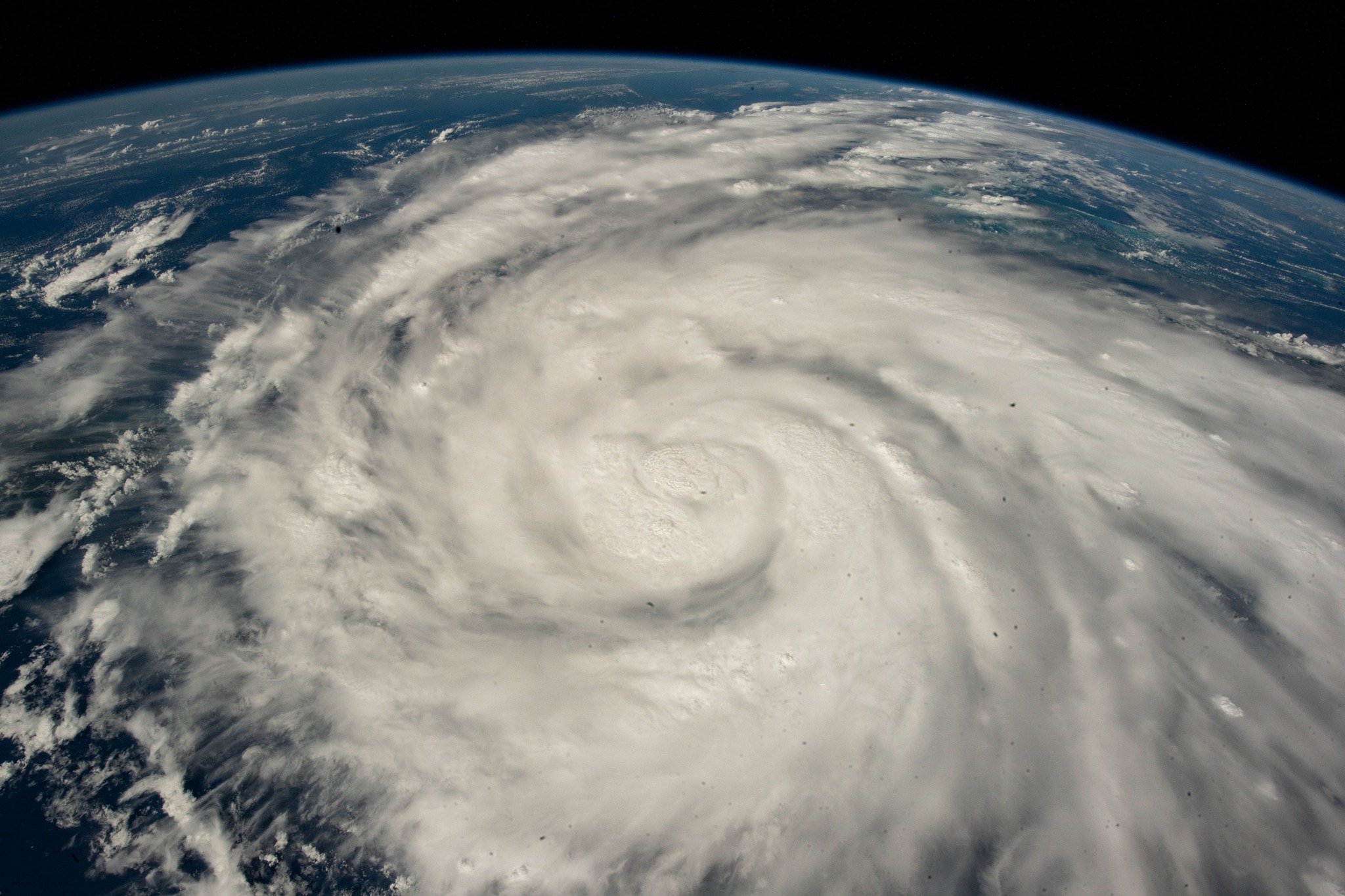
Pronounced HUR-i-kuhn or HUR-i-kayn depending on regional dialect, the word hurricane represents far more than just a weather term—it is a linguistic artifact that bridges ancient mythology with modern meteorology. When a tropical cyclone reaches sustained winds of 74 mph (119 km/h) or higher, it triggers an intricate sequence of physical processes, economic losses, and psychological burdens that affect millions of coastal residents each year.
Understanding these massive atmospheric systems requires looking beyond standard definitions. This guide examines how the word evolved, the precise thermodynamic engine that powers these storms, and the structural ways communities measure and mitigate their impacts.
Etymology and Linguistic Origins of the Word
The history of the word begins centuries before modern satellite tracking. Spanish explorers in the Caribbean during the late 15th and 16th centuries encountered ferocious tropical storms that devastated their wooden vessels. They adopted the indigenous term huracán from the Taíno people of the Greater Antilles.
In Taíno mythology, Hurakán was a primordial deity of chaos and storms, sharing dominion with creator gods. As European trade and colonization expanded across the Atlantic, the Spanish term transitioned into English as "hurricano" in Elizabethan drama—notably appearing in Shakespeare's King Lear—before standardizing into hurricane by the 18th century.
Phonetically, standard English dictionaries list the primary pronunciation as HUR-i-kuhn with a schwa on the final syllable. In certain coastal dialects and Caribbean contexts, speakers lean toward HUR-i-kayn. Both forms trace back to the same indigenous root word for atmospheric fury.
The Thermodynamic Science Behind Formation
A hurricane is essentially a massive thermal engine that converts heat energy from warm ocean water into mechanical wind energy. Meteorologists classify them as tropical cyclones characterized by a low-pressure center, spiral rainbands, and a remarkably calm eye.
Formation requires a specific combination of environmental parameters:
- Sea Surface Temperatures: Waters must be at least 80°F (26.5°C) down to a depth of roughly 150 feet to supply continuous evaporation and heat transfer.
- Atmospheric Instability: Rapidly cooling air with height allows warm, moist air to rise freely and form towering cumulonimbus clouds.
- Coriolis Effect: The rotation of the Earth provides the necessary spin, which is why hurricanes never form within 5 degrees of the equator where the Coriolis force approaches zero.
- Low Vertical Wind Shear: Minimal change in wind speed or direction with height prevents the developing storm's vertical core from tilting or tearing apart.
As moist air converges toward the low-pressure center, it rises, cools, and condenses. This condensation releases latent heat into the core, lowering surface pressure further and drawing in more moisture in a continuous positive feedback loop.
The Saffir-Simpson Wind Scale and Classifications
To communicate threat levels effectively, meteorologists use the Saffir-Simpson Hurricane Wind Scale, which categorizes storms from Category 1 through Category 5 based strictly on sustained wind speeds.
- Category 1 (74–95 mph): Generates dangerous winds with some damage to power lines, shallow-rooted trees, and unanchored mobile homes.
- Category 2 (96–110 mph): Produces near-total power outages, extensive damage to siding and roof shingles, and uprooted trees blocking roads.
- Category 3 (111–129 mph): Marks major hurricane status. Expect structural damage to residential buildings, electricity and water outages lasting for weeks, and isolated inland flooding.
- Category 4 (130–156 mph): Causes catastrophic damage, flattening most residential framing, snapping power poles, and isolating residential pockets for months.
- Category 5 (157 mph or higher): Rents roofs off homes completely, instigates massive industrial building failures, and renders affected coastal zones uninhabitable for weeks or months.
For official updates and real-time tracking data, consult the National Hurricane Center.
Primary Impacts: Wind, Storm Surge, and Inland Flooding
While high winds capture media attention, they are rarely the deadliest aspect of a tropical cyclone. The total societal impact stems from three compounding hazards.
Storm Surge and Coastal Inundation
The low barometric pressure at the storm's center creates an elevated dome of ocean water. As this dome moves ashore, combined with the relentless push of surface winds, it creates a storm surge. In shallow coastal shelves, this surge can reach heights exceeding 20 feet, washing away entire beach communities and overwhelming seawalls.
Extreme Rainfall and Inland Flooding
Hurricanes slow down upon landfall, dumping trillions of gallons of water over mountainous or urban terrain. This heavy precipitation triggers flash floods and catastrophic river overflows far inland, where evacuation orders are less common.
Long-Term Economic and Infrastructure Disruption
The financial toll involves destroyed housing stock, ruined agricultural yields, and crippled transportation networks. According to research from the National Oceanic and Atmospheric Administration, major landfalling storms frequently incur tens of billions of dollars in structural and economic damage per event, requiring multi-year recovery funding.
Frequently Asked Questions
What is the difference between a hurricane, a typhoon, and a cyclone?
They are meteorologically identical weather phenomena. The terminology depends entirely on geographic location. In the North Atlantic and Northeast Pacific, they are called hurricanes. In the Northwest Pacific, they are called typhoons. In the South Pacific and Indian Ocean, the term is tropical cyclone.
Why do hurricanes have names?
The World Meteorological Organization maintains repeating lists of alternating male and female names. Assigning short, human names to storms helps avoid confusion when multiple tropical systems exist in the same ocean basin simultaneously, streamlining communication between forecasters, emergency managers, and the public.
How does climate change affect hurricane intensity?
Warmer ocean temperatures provide additional thermal energy, which increases the likelihood of rapid intensification. Furthermore, warmer air holds more moisture, leading to significantly heavier rainfall rates during landfall.
What should be included in a basic evacuation kit?
A standard emergency supply kit should contain at least one gallon of water per person per day for a minimum of three days, non-perishable food, a battery-powered or hand-crank radio, flashlights, extra batteries, first-aid supplies, and copies of essential personal identification documents stored in waterproof containers.



