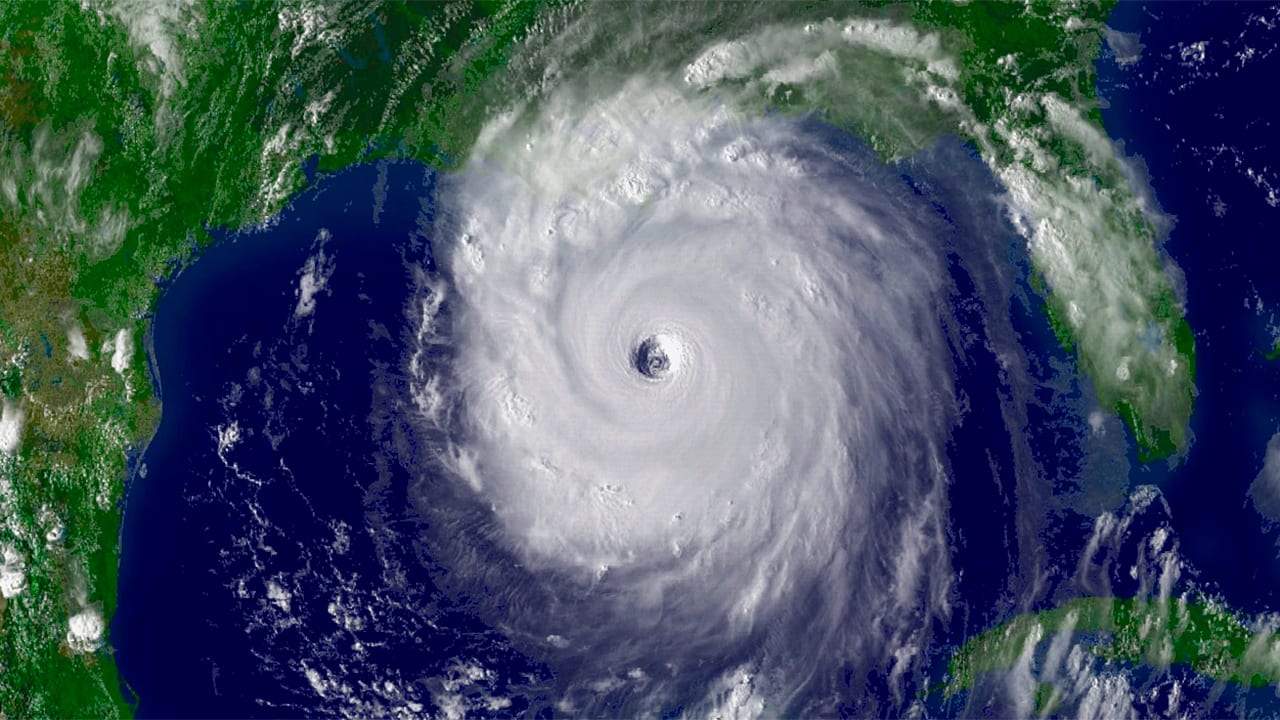
Hurricane Melissa struck Jamaica on October 28, 2025, carving its name into the history books as the strongest and costliest tropical cyclone ever recorded on the island. Intensifying at an unprecedented rate from a tropical storm into a Category 5 monster, Melissa made landfall near New Hope in Westmoreland Parish with sustained winds reaching 185 miles per hour.
Understanding when and how Melissa hit provides vital context for disaster preparedness in the Caribbean. Rather than treating the storm as a vague upcoming threat, looking back at its exact path, timeline, and structural toll reveals crucial lessons for reinforcing coastal properties and managing emergency evacuations.
The Timeline of Hurricane Melissa: Formation to Landfall
Melissa began as an unassuming disturbance before organizing rapidly in the central Caribbean. Meteorologists tracked its intensification as warm sea surface temperatures fueled explosive growth.
- October 21, 2025: The system officially formed, triggering initial watches across parts of the Greater Antilles.
- October 23, 2025: Jamaican authorities upgraded warnings as the storm tracked slowly westward, maintaining a sluggish forward speed of roughly 3 miles per hour.
- October 27, 2025: Melissa achieved Category 5 status, packing low central pressures that rivaled historic storms like Gilbert and Wilma.
- October 28, 2025: In the early afternoon, the eye of the hurricane slammed directly into southern Jamaica, bringing catastrophic storm surges and violent winds.
Because the storm crawled at such a slow pace, it battered the island with torrential rainfall for days rather than hours. This prolonged exposure compounded the destruction, swelling rivers and triggering massive landslides across multiple parishes. For another look on this event, see the recent update from Reuters.
Assessing the Damage: Infrastructure and Human Toll
The physical footprint of Melissa was staggering. Approximately 1.6 million people—over half of Jamaica's population—felt the direct impacts of the storm. Essential networks collapsed almost immediately as over 70 percent of the island lost electrical power.
Structural failures disrupted basic services for months. According to reports from the International Federation of Red Cross and Red Crescent Societies, roughly 150,000 structures suffered damage, with close to 120,000 buildings losing their roofs entirely. Healthcare facilities took a heavy blow, including the destruction of Black River Hospital, which forced emergency patient evacuations under extreme conditions. Educational infrastructure also suffered, as nearly two-thirds of the nation's schools reported roof damage or structural compromise.
Agricultural sectors experienced severe devastation. Floodwaters and high-velocity winds wiped out staple crops and fishing assets in coastal and rural communities, destroying livelihoods overnight. Total economic losses exceeded US $12.2 billion, accounting for roughly 57 percent of the nation's gross domestic product and making it the most expensive disaster in Jamaican history.
Securing Island Homes Against Extreme Category 5 Winds
Surviving a storm of Melissa's magnitude requires rigorous preparation that goes beyond standard hurricane precautions. Category 5 winds at 185 miles per hour generate dynamic pressures capable of tearing standard residential framing apart.
Reinforcing Roofs and Openings
The roof is the most vulnerable component of any tropical home. Wind rushing over a structure creates a powerful uplift force. To keep roofs intact during extreme weather:
- Install hurricane straps and clips to anchor roof rafters securely to concrete or wooden wall plates.
- Use impact-rated shutters or heavy-gauge plywood panels over all windows and glass doors to prevent internal pressurization, which often causes total roof failure.
- Seal gable ends with structural bracing to prevent inward collapse from sustained wind loads.
Managing Flooding and Water Intrusion
Storm surges reached 9 to 13 feet in vulnerable coastal zones, while inland areas faced 15 to 30 inches of rainfall.
- Elevate critical electrical panels and backup generators above known flood levels.
- Clear perimeter drainage paths, French drains, and gutters well ahead of storm season to reduce pooling near foundations.
- Store emergency water supply bladders indoors, as municipal water systems routinely fail during major impacts.
Emergency Family Planning and Shelter Logistics
When an evacuation order is issued, hesitation can prove fatal. Families living in low-lying coastal areas or flood-prone river basins must establish clear relocation protocols before a storm forms.
Designate an inland meeting point outside of flood zones. Keep essential documents—such as passports, titles, insurance papers, and medical records—in waterproof containers. Build a self-sufficient emergency kit designed to last a minimum of seven days without external assistance. Include non-perishable food, water purification tablets, first aid supplies, battery-powered communication devices, and cash, as digital payment networks fail when electricity and cellular towers go down.
Following the storm, adherence to local curfews and emergency directives issued by the Office of Disaster Preparedness and Emergency Management helps maintain public safety while first responders clear blocked roads and restore order.
Frequently Asked Questions
What made Hurricane Melissa uniquely destructive compared to past storms?
Melissa combined Category 5 wind speeds with an unusually slow forward movement of about 3 miles per hour. This sluggish pace prolonged the duration of extreme winds and torrential rainfall over the island, maximizing environmental and structural damage.
How did the storm affect Jamaica's tourism sector?
Coastal resorts and hotels sustained heavy structural damage, with roughly 40 to 50 percent of tourism properties impacted. Power outages, airport closures, and damaged access roads temporarily halted leisure travel, though long-term recovery efforts continue to rebuild the sector.
Will the name Melissa be used again for future Atlantic hurricanes?
No. Because of the catastrophic loss of life and severe economic impact, the World Meteorological Organization officially retired the name Melissa in March 2026, replacing it with Molly for future rotation.
What immediate health risks follow a major hurricane like Melissa?
Stagnant floodwaters and damaged sanitation infrastructure frequently trigger outbreaks of waterborne and vector-borne illnesses, including leptospirosis and mosquito-related infections. Access to clean drinking water and medical care remains a top priority during post-disaster recovery.



