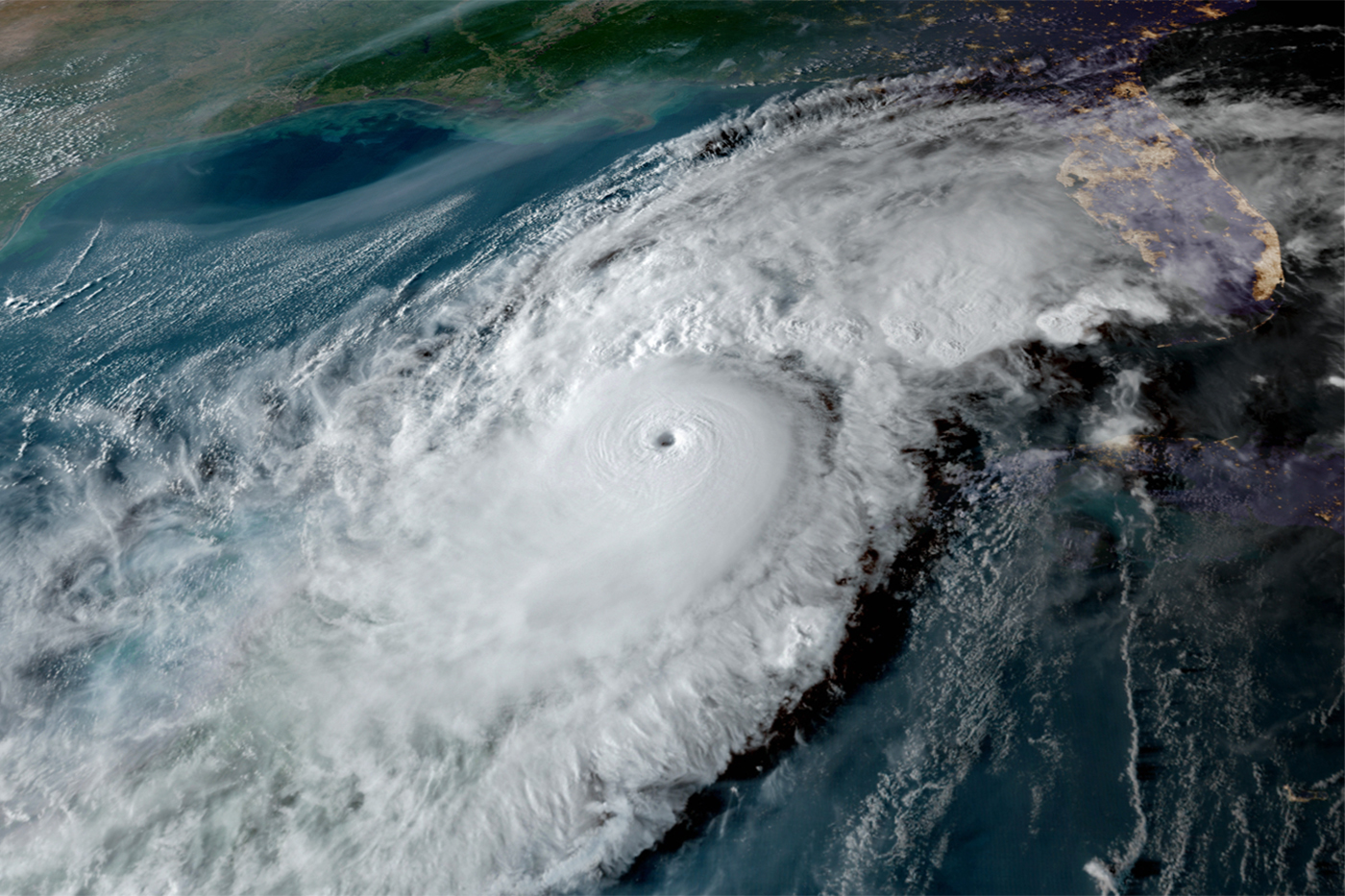
When the levees broke in late August 2005, Hurricane Katrina permanently altered the American landscape, taking more than 1,800 lives and displacing over a million residents across the Gulf Coast. Two decades later, the path from catastrophic loss to enduring peace remains anchored in active remembrance. Communities didn't just rebuild levees and homes; they constructed frameworks of memory that honor those lost while helping survivors reconcile their personal grief.
Finding peace after a mass casualty disaster requires moving beyond official statistics into tangible acts of commemoration. From physical markers across New Orleans to university-backed oral history initiatives, the ongoing process of remembering provides families with the closure that the immediate chaotic aftermath denied them. This article examines how memorials, archives, and annual traditions serve as functional tools for collective healing.
Beyond the Numbers: The Human Toll of 2005
In the chaotic weeks following the storm, federal and state reports focused heavily on economic losses, property damage, and infrastructural failure. Yet the true weight of Katrina lay in the uncounted human moments—families separated during mandatory evacuations, elderly residents stranded in healthcare facilities, and communities severed overnight.
Official tallies placed the death toll near 1,833, spanning Louisiana, Mississippi, Alabama, and Florida. Behind each digit was a neighborhood network, a family business, or a lifetime of local history.
- Displaced elders: Thousands of seniors were evacuated to distant states, many of whom never returned to their familiar neighborhoods, passing away in unfamiliar surroundings without their support networks.
- Scattered youth: School-aged children experienced severe educational disruptions and long-term psychological stress as school systems collapsed or consolidated.
- Marginalized neighborhoods: Lower-income and minority wards, such as the Lower Ninth Ward, bore the brunt of infrastructural failures, experiencing slower recovery timelines that compounded trauma.
Understanding these dimensions is essential because true remembrance requires acknowledging the specific vulnerabilities that turned a natural hazard into a humanitarian crisis. When survivors talk about peace, they point to the necessity of naming what was lost rather than glossing over systemic shortcomings.
Physical Memorials and Sacred Spaces
To grieve privately is a personal burden, but to grieve collectively is a communal anchor. Across Louisiana and Mississippi, dedicated memorial spaces provide physical locations where families can mourn without the interference of political spin or bureaucratic minimization.
The Louisiana Department of Culture, Recreation and Tourism highlights various heritage and memorial sites across the region that document the state's resilient history. In New Orleans, spaces like the Hurricane Katrina Memorial in the financial district feature granite walls inscribed with the names of unclaimed and identified victims, giving families a dedicated place for annual wreaths and quiet reflection.
These architectural tributes fulfill specific psychological functions for survivors:
- They establish a permanent public acknowledgment that the lives lost mattered to the broader society.
- They offer a fixed geographic coordinates for mourning, replacing destroyed homes and swept-away headstones.
- They educate younger generations who were born after 2005, embedding the disaster's lessons into local civic identity.
Community Gardens and Neighborhood Shrines
Beyond grand municipal monuments, grassroots memorialization took root in neighborhood gardens and community plazas. The Treme and Mid-City areas saw residents plant oak trees and build neighborhood altars. These decentralized sites allowed neighborhood networks to control their own narratives of loss and recovery, turning neglected lots into peaceful sanctuaries.
Oral History Projects as Tools for Closure
Physical stones are permanent, but voices preserve the texture of daily life before the storm. Academic institutions and nonprofit groups stepped in to capture firsthand accounts before memories faded.
The Tulane University Digital Library hosts extensive collections of oral histories, photographs, and regional archives documenting the storm's impact and the subsequent grassroots recovery efforts. Projects like the Katrina Voices Project recorded thousands of hours of audio from everyday residents, rescue workers, and displaced families.
Engaging with oral history aids psychological recovery in several ways:
- Validation of experience: Hearing other survivors articulate identical fears and frustrations reduces feelings of isolation.
- Reclaiming agency: Instead of remaining passive victims of a natural disaster, narrators take control of their stories.
- Intergenerational transfer: Families use these archives to explain ancestral roots and community heritage to children who inherited the trauma without witnessing the event itself.
The Evolution of Annual Commemoration
Anniversaries can trigger anxiety, but structured commemoration has evolved into a ritual of resilience. Every August 29, communities gather along the Industrial Canal and Lake Pontchartrain for candlelit vigils, second-line parades, and interfaith prayer services.
These events shift tone from despair to resolute survival. Musicians, artists, and neighborhood associations use the date to celebrate Louisiana culture—the very culture the storm failed to extinguish. By pairing mourning with cultural expression, survivors reclaim the date from tragedy, transforming an anniversary of destruction into a testament of endurance.
Frequently Asked Questions
Where is the primary memorial for unidentified Katrina victims?
The municipal tomb for unclaimed victims of Hurricane Katrina is located in the charity section of Metairie's Cypress Grove Cemetery, featuring a striking monument dedicated to those whose names were never recovered.
How can descendants access archived oral histories from the storm?
Major university repositories, including Tulane University and the University of New Orleans, maintain searchable digital archives containing thousands of transcribed interviews, photographs, and survivor logs accessible online.
Why are physical memorials important for disaster survivors?
Psychologists note that physical monuments provide a dedicated public space for collective grief, validating personal loss and serving as an educational anchor for future generations.
Did disaster recovery funding adequately address mental health needs?
Initial federal aid heavily favored physical infrastructure repair over mental health services. However, community-led health initiatives subsequently stepped in to provide long-term counseling and trauma support groups across the Gulf Coast.



