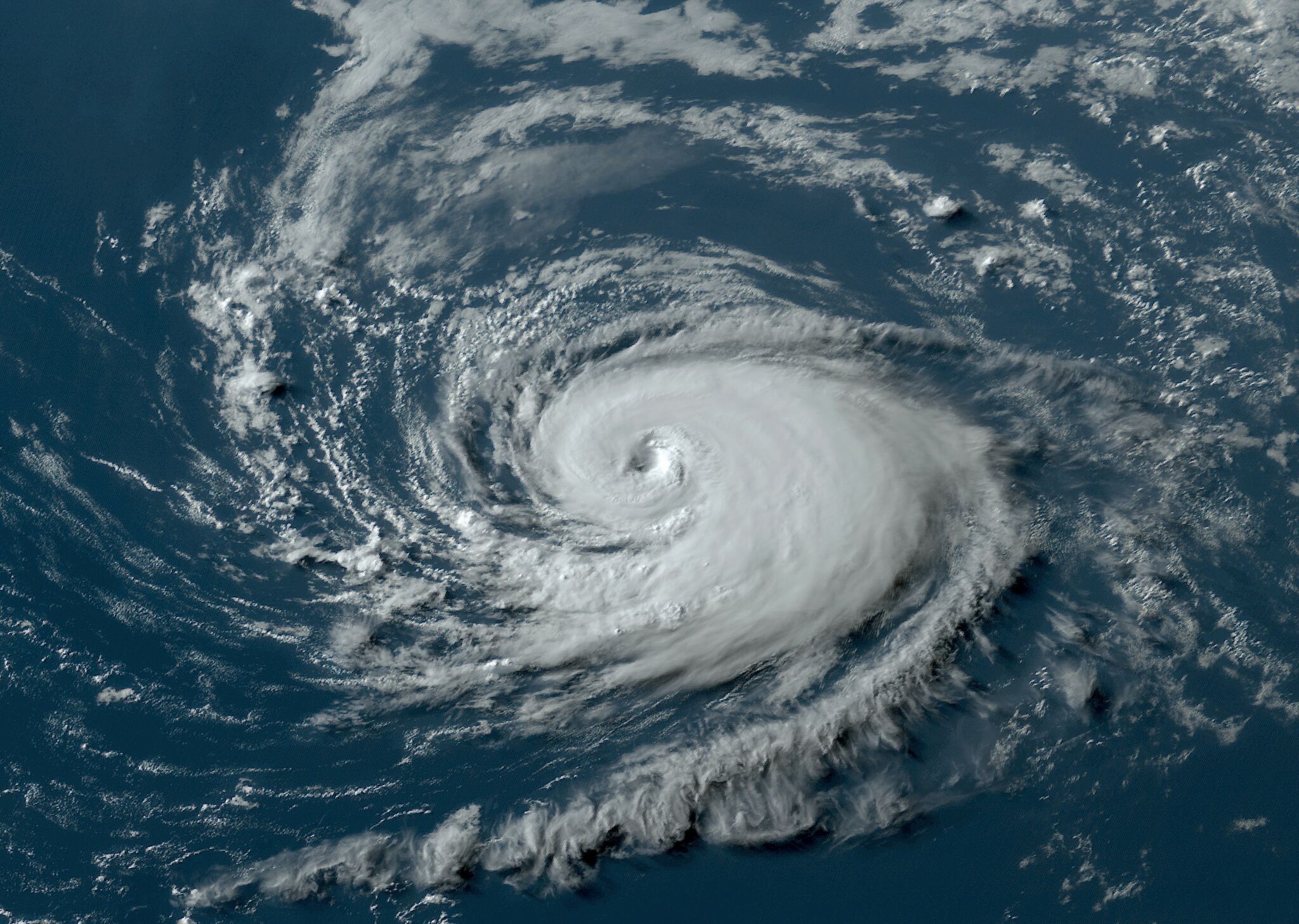
Hurricane Helene left an indelible mark across the southeastern United States, testing the infrastructure, emergency systems, and community resilience of coastal and riverine towns like Stuart, Florida. While the storm's core made landfall further north in the Big Bend region, its massive wind field, storm surge, and torrential outer bands triggered severe localized flooding, prolonged power outages, and substantial property damage along the Treasure Coast. Understanding how Stuart experienced the event offers critical insights into modern disaster management, economic vulnerability, and municipal adaptation.
The immediate aftermath in Stuart revealed the complex challenges that coastal municipalities face when hit by sprawling meteorological systems. Streets near the St. Lucie River experienced rapid inundation, while high winds downed utility poles and severed local communication lines. Local emergency services, including Martin County responders, mobilized swiftly, yet the storm exposed recurring hurdles in drainage capacity, evacuation coordination, and small business continuity. Examining these impacts highlights actionable lessons for municipal planners and property owners preparing for future extreme weather events.
The Meteorological Footprint and Localized Impact on Stuart
Although Hurricane Helene was notorious for its catastrophic inland flooding in states like North Carolina and its intense landfall power in Florida's Big Bend, its expansive structure meant that peripheral regions experienced severe secondary hazards. Stuart's unique geography—sandwiched between the St. Lucie River and the Atlantic coastal ecosystem—made it particularly vulnerable to compound flooding driven by persistent onshore winds and swollen waterways.
Rainfall rates overwhelmed traditional stormwater gravity systems. When high tides coincided with heavy downpours, drainage canals failed to empty effectively, backing up into residential neighborhoods and downtown commercial districts. This type of compound flooding occurs more frequently as sea levels rise and storm systems carry higher moisture content. Property owners faced sudden water intrusion, forcing many to elevate valuables or evacuate low-lying zones on short notice.
Infrastructure Vulnerabilities Revealed
The strain on municipal infrastructure during Helene underscored several systemic vulnerabilities:
- Power Grid Fragility: Overhead distribution lines remained susceptible to falling tree branches and sustained wind gusts, leading to multi-day outages that disrupted refrigeration, water treatment monitoring, and traffic signals.
- Stormwater Capacities: Older neighborhoods relied on drainage designs engineered decades ago, which proved inadequate for modern rainfall intensity.
- Communication Redundancy: Cellular towers lost backup power quickly in certain pockets, hampering real-time coordination between residents and emergency dispatchers.
Emergency Response and Inter-Agency Coordination
When the storm warning transitioned to emergency operations, the response in Stuart relied heavily on multi-layered cooperation between municipal departments, county officials, and state agencies like the Florida Division of Emergency Management. First responders prioritized life-safety missions, conducting high-water rescues and clearing primary evacuation arteries of debris before utility crews could safely enter damaged sectors.
Community networks played an equally vital role. Neighborhood groups utilized localized communication channels to check on vulnerable residents, coordinate shelter access, and share real-time updates regarding road closures. Non-profit organizations and volunteer teams deployed quickly to distribute emergency supplies, tarps, and bottled water. However, the chaos of the initial response highlighted communication gaps that often occur when official channels become overloaded. Ensuring residents know where to find verified updates remains a persistent challenge during fast-moving weather crises.
Economic Aftermath and Recovery Challenges
The financial toll of Hurricane Helene on Stuart extended far beyond immediate property repairs. Local small businesses—particularly those anchored to the marine, tourism, and hospitality sectors—faced sudden revenue stoppages during peak recovery periods. Marina operators, tackle shops, and waterfront restaurants absorbed heavy losses from dock damage, boat displacement, and canceled reservations.
Rebuilding local commerce requires navigating complex insurance landscapes. Many property owners discovered gaps between standard windstorm policies and flood coverage, leading to protracted claims processes. Municipalities also faced steep bills for debris removal and public property reconstruction, leaning on state and federal disaster relief programs to balance emergency budgets. Diversifying local economic activity and establishing robust financial safety nets for small businesses remain vital strategies for weathering future disruptions.
Lessons Learned for Coastal Communities
The experience of Stuart during Hurricane Helene provides a blueprint for how vulnerable municipalities can adapt to more frequent and intense severe weather events. Translating adversity into long-term resilience requires intentional policy shifts and proactive capital investments.
1. Modernizing Stormwater and Coastal Defenses
Outdated drainage systems cannot handle contemporary rain events. Cities must transition toward green infrastructure, including bioswales, enhanced retention basins, and living shorelines that absorb wave energy naturally. Elevating critical electrical substations and hardening water treatment plants against saltwater intrusion prevents secondary public health crises.
2. Upgrading Building Codes and Zoning Standards
Enforcing stricter elevation requirements for new construction and retrofitting older housing stock reduces repetitive flood losses. Communities that invest in resilient building materials and wind-resistant roof attachments experience significantly lower repair costs following major storms.
3. Fostering Decentralized Community Preparedness
Government agencies cannot be everywhere at once during the critical first forty-eight hours of a disaster. Building resilient communities involves training neighborhood leaders in basic emergency response, establishing localized supply hubs, and ensuring redundant communication networks remain operational when cellular towers fail.
Frequently Asked Questions
How did Hurricane Helene affect Stuart, Florida, compared to northern parts of the state?
While northern Florida experienced direct landfall from a powerful Category 4 storm with devastating winds, Stuart faced secondary impacts, including severe coastal flooding from storm surge, heavy rainfall, and localized wind damage due to the hurricane's massive outer bands.
What are the most effective ways to protect coastal properties from compound flooding?
Property owners can install backflow preventers on plumbing lines, elevate mechanical equipment above projected flood levels, use closed-cell spray foam insulation in crawlspaces, and deploy deployable flood barriers around entry points.
Where can residents find official assistance following a major hurricane in Florida?
Residents can apply for federal aid through Disaster Assistance, monitor updates via county emergency management portals, and check insurance guidance through state regulatory bodies.
How can small businesses prepare for extended utility outages after a storm?
Investing in commercial backup generators, establishing cloud-based data backups, maintaining business interruption insurance, and creating pre-arranged supply chain contracts with regional vendors help businesses resume operations faster.