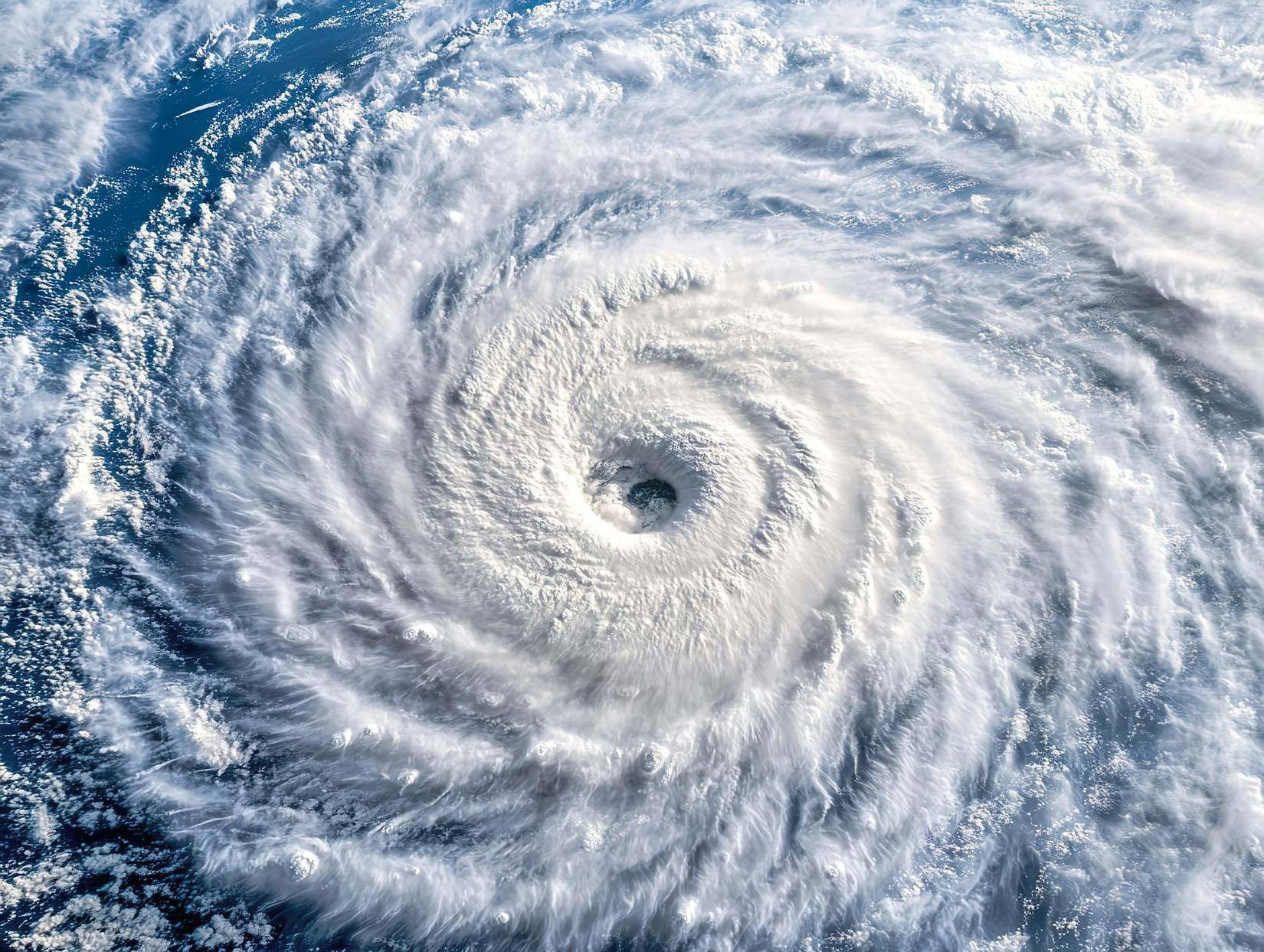
When Hurricane Helene brushed past the Yucatan Peninsula on its march toward the United States Gulf Coast, its outer bands lashed the island of Cozumel with violent surf and heavy squalls. While the core of the storm targeted the Florida Big Bend as a catastrophic Category 4 system, its expansive wind field left a distinct mark on Quintana Roo. Visitors and residents on the island experienced severe weather disruptions, infrastructure strain, and coastal erosion that highlighted the vulnerability of regional tourism hubs to fast-intensifying tropical cyclones.
Understanding how Helene impacted Cozumel requires looking past the continental headlines to examine local meteorological effects, maritime suspensions, and the immediate recovery phase. The storm's trajectory offered a textbook example of how a massive system can inflict localized infrastructural damage even when passing offshore.
Meteorological Overview of Helene Near Cozumel
Helene formed from a broad low-pressure area in the northwestern Caribbean Sea on September 24, 2024. As the system tracked north-northwestward into the Yucatan Channel, it fed on exceptionally warm sea surface temperatures. Although the center of circulation remained far enough offshore to spare Cozumel from a direct landfall, the island sat squarely within the storm's potent southern and eastern rain bands.
The storm brought sustained tropical storm-force winds and aggressive squalls to the coast of Quintana Roo. Cozumel International Airport recorded significant flight delays and temporary cancellations as visibility dropped and crosswinds picked up. Meanwhile, the marine environment bore the brunt of the atmospheric energy.
Wave Action and Coastal Impacts
The most visible physical consequence of Helene in Cozumel was heavy wave action along the island's western and eastern waterfronts.
- Seawall breaches: High-energy storm surge and pounding waves battered coastal defenses, causing localized structural damage to sections of the island's seawall.
- Beach erosion: Low-lying beach clubs and coastal access points experienced sand loss and debris accumulation from the relentless wave action.
- Maritime suspension: Port authorities restricted navigation for all watercraft, halting ferry services between Cozumel and Playa del Carmen, which temporarily isolated the island from mainland supply chains.
Infrastructure Strain and Municipal Response
Quintana Roo activated high-level emergency protocols, putting municipalities under strict alert as Helene churned nearby. Essential services in Cozumel faced temporary disruptions due to precautionary power grid management and wind-blown debris.
The Comisión Federal de Electricidad (CFE) mobilized work crews across the state to handle localized outages. While mainland areas like Cancún and Isla Mujeres dealt with widespread power failures and severe street flooding, Cozumel's municipal infrastructure largely withstood the wind speeds thanks to strict local building codes and swift drainage operations once rainfall tapered off.
Tourism and Economic Disruption
Because September falls during the peak of the Atlantic hurricane season, Cozumel's tourism sector operates with established contingency plans. Cruise lines rerouted ships away from the path of the storm days in advance, leading to empty docks and cancelled excursions.
Local hoteliers sheltered guests indoors, shifting resort operations to emergency mode. While the economic friction of canceled tours and empty hotel rooms created a temporary financial dent, businesses resumed normal operations almost immediately after the National Hurricane Center cleared the region from warnings, showcasing the island's resilience.
Recovery and Long-Term Lessons
Cleanup crews cleared seaweed, sand, and organic debris from coastal roadways within 48 hours of the storm's passage. Municipal engineers inspected piers and waterfront structures to ensure structural integrity before allowing maritime traffic to resume.
The event underscored several operational takeaways for travelers and local planners:
- Advance monitoring: Early tracking by agencies like the National Weather Service allowed ports to close safely before sea conditions turned perilous.
- Infrastructure investment: Continuous reinforcement of coastal seawalls prevents major inland flooding during peripheral storm events.
- Communication speed: Rapid updates from local civil protection agencies kept tourists informed and minimized panic during peak wind events.
Frequently Asked Questions
Did Hurricane Helene make direct landfall in Cozumel?
No. Helene passed offshore through the Yucatan Channel, but its large outer bands brought severe wind, rough surf, and heavy rainfall to Cozumel and the wider Quintana Roo coast.
Were flights out of Cozumel International Airport cancelled?
While total long-term closures were avoided, the airport experienced significant flight delays and short-notice cancellations as weather conditions deteriorated.
How did the storm affect ferry service to the mainland?
Port authorities suspended all passenger and cargo ferry operations between Cozumel and Playa del Carmen for safety reasons until sea conditions subsided.
What kind of structural damage occurred on the island?
Damage was primarily restricted to coastal erosion, debris buildup, and localized breaches along sections of the waterfront seawall due to high-energy wave action.


