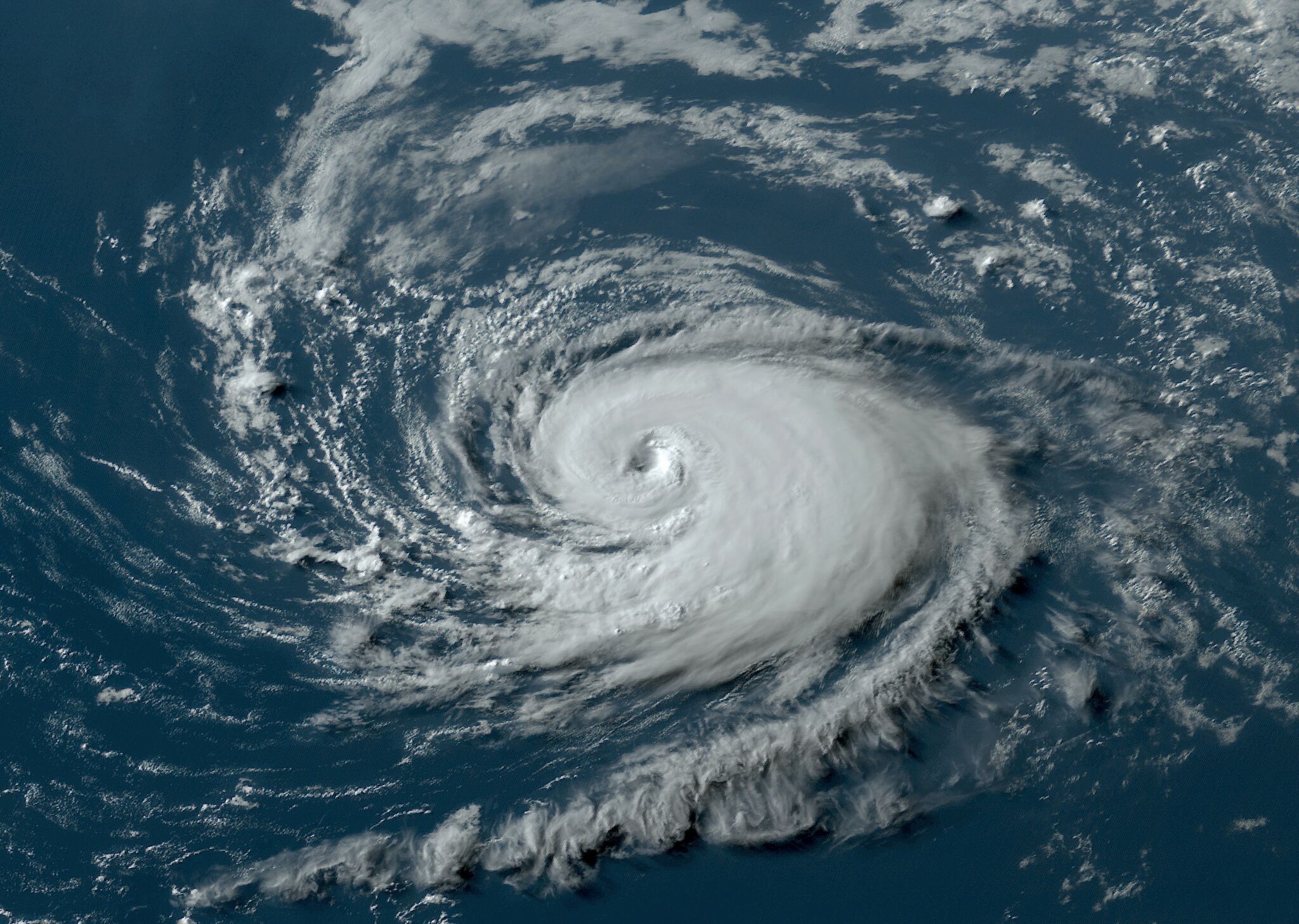
When Hurricane Helene tore through the Southeast in late September 2024, it left a massive scar across multiple states. As a catastrophic Category 4 storm that made landfall in Florida's Big Bend region, it triggered severe coastal flooding, devastating storm surges, and widespread wind destruction. Communities along the coastline faced unprecedented challenges as infrastructure collapsed and residences were reduced to rubble.
Understanding the full scope of Hurricane Helene requires looking past initial headlines. This overview breaks down the storm's landfall dynamics, the specific impact on coastal zones, the cascading infrastructure failures, and the ongoing path toward regional recovery.
Landfall Dynamics and Meteorological Force
Hurricane Helene intensified rapidly over the unusually warm waters of the Caribbean Sea and the Gulf of Mexico. Fueled by high surface temperatures and low wind shear, the system expanded from a scattered cluster of thunderstorms into a powerful Category 4 hurricane within a remarkably short window.
When it crossed the coastline near the Big Bend region, it carried maximum sustained winds near 140 mph and an expansive wind field that spanned hundreds of miles. This immense size pushed a monumental wall of water ashore, creating a catastrophic storm surge that caught many low-lying areas off guard.
Coastal Devastation and Storm Surge Impact
The most visible destruction occurred where the storm surge met vulnerable coastal settlements. Waterfront communities experienced surges reaching up to 15 feet in places like Keaton Beach, Horseshoe Beach, and Cedar Key.
- Structural Collapse: High-velocity water wiped out ground-level walls, compromised foundations, and completely flattened older or non-elevated structures.
- Inland Beach Erosion: Powerful wave action stripped away protective dunes, leaving coastal roads entirely exposed to future tidal action.
- Debris Accumulation: Remnants of docks, personal belongings, and building materials were pushed hundreds of yards inland, blocking critical access routes for emergency responders.
Infrastructure and Utility Failures
Beyond the immediate coastline, the storm's extensive wind field and torrential rainfall crippled regional infrastructure. Power grids suffered catastrophic failures, leaving over a million Florida residents without electricity—and millions more across Georgia and the Carolinas.
Water and wastewater treatment facilities were inundated with floodwaters, prompting boil-water notices that lasted for weeks. Major evacuation routes and local bridges were rendered impassable due to washouts, fallen timber, and accumulated silt, severely delaying initial search and rescue operations.
Emergency Response and Federal Assistance
The sheer scale of the disaster required a massive, multi-tiered emergency response. State agencies, local emergency management teams, and the Federal Emergency Management Agency (FEMA) deployed thousands of personnel to distribute life-saving supplies.
- Commodity Distribution: Millions of liters of water, pre-packaged meals, ice, and blue roof tarps were handed out to displaced residents.
- Search and Rescue: Local sheriff's offices and urban search-and-rescue teams performed hundreds of water rescues in flooded neighborhoods.
- Temporary Housing: State and federal programs worked to deploy travel trailers and financial assistance for families whose homes were rendered uninhabitable.
Frequently Asked Questions
What category was Hurricane Helene at landfall?
Hurricane Helene made landfall as a powerful Category 4 hurricane with maximum sustained winds near 140 mph.
How high was the storm surge in Florida?
Storm surge heights varied by location, exceeding 15 feet in parts of the Big Bend and coastal barrier islands, which contributed heavily to structural loss.
How did the storm affect inland regions?
While coastal zones faced severe storm surges, inland areas experienced catastrophic flash flooding and widespread wind damage due to heavy rainfall and the storm's rapid forward movement.
What resources are available for long-term property recovery?
Displaced property owners can coordinate with FEMA and state housing initiatives to access disaster relief grants, temporary housing solutions, and mitigation loans for rebuilding more resilient structures.