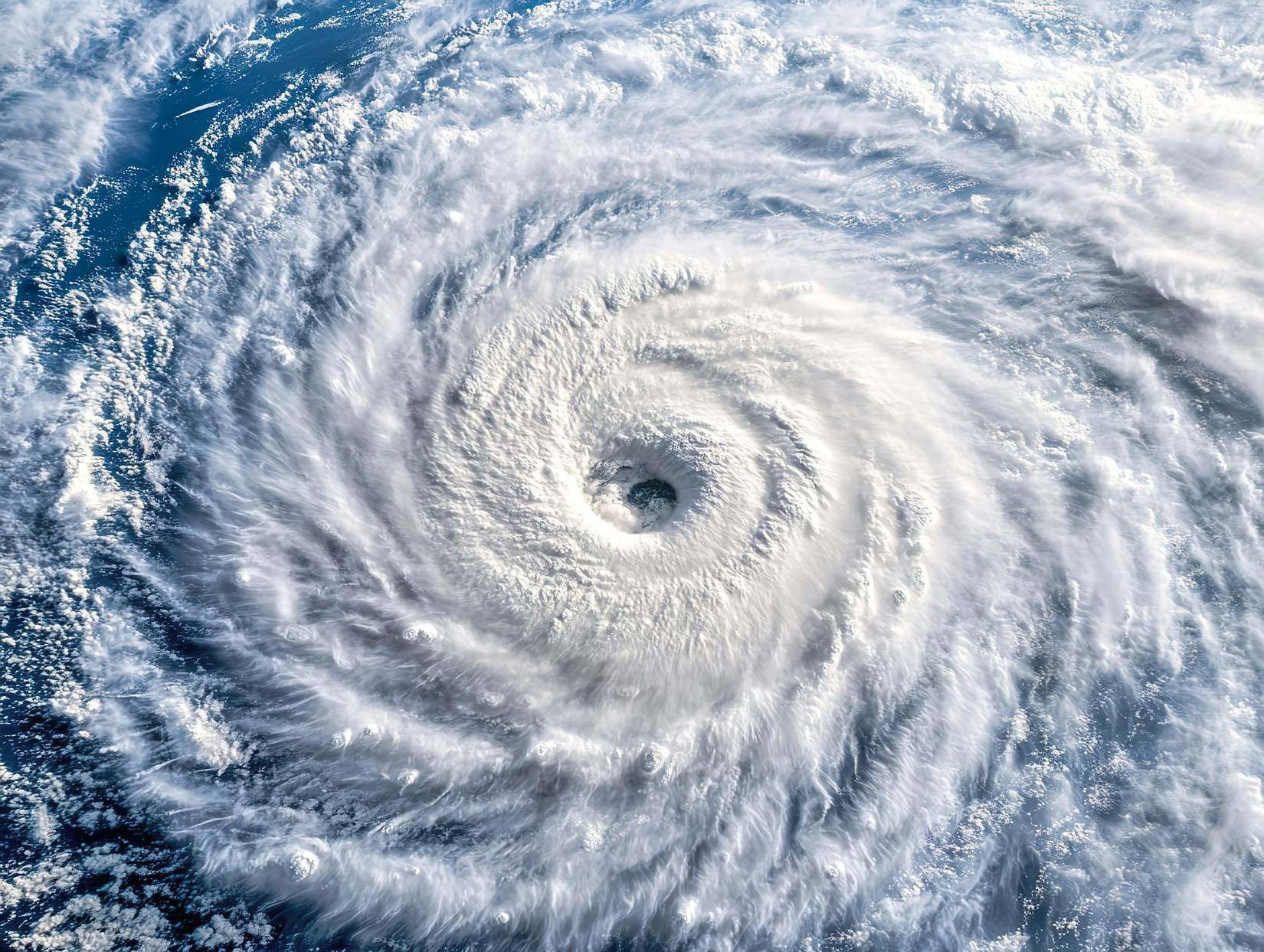
Forty years before the levee failures of 2005 rewrote the modern history of the American Gulf Coast, another massive storm struck southeastern Louisiana with terrifying force. Hurricane Betsy slammed ashore in September 1965, earning the grim distinction of becoming America's first billion-dollar natural disaster. When Hurricane Katrina followed a strikingly similar track four years later in 2005, it triggered immediate comparisons to Betsy. Yet while both hurricanes flooded New Orleans and exposed major vulnerabilities in flood protection infrastructure, the scale of human loss, economic destruction, and systemic failure differed drastically. Looking at how these two catastrophic weather events measure up reveals essential lessons about engineering, disaster response, and urban geography.
Meteorological Profiles and Storm Tracks
From a purely meteorological standpoint, both Betsy and Katrina packed extraordinary power as they tracked through the warm waters of the Gulf of Mexico. Betsy formed in late August 1965, taking an erratic, looping path near the Bahamas before surging westward. It intensified into a dangerous Category 4 hurricane before making landfall near Grand Isle, Louisiana, packing maximum sustained winds near 155 miles per hour. Its massive windfield pushed an immense volume of water ahead of it, driving a devastating storm surge toward Lake Borgne and the Mississippi River-Gulf Outlet.
Katrina followed a different early trajectory, sweeping across southern Florida as a Category 1 storm before entering the loop current of the Gulf of Mexico, where it rapidly exploded into a monstrous Category 5 system. Although Katrina weakened slightly to a strong Category 3 upon making its final landfall near the Louisiana-Mississippi border on August 29, 2005, its physical footprint was staggering. Katrina was significantly larger than Betsy, generating tropical-storm-force winds that spanned hundreds of miles and drove an unprecedented 28-foot storm surge onto the Mississippi coast.
Infrastructure Failures and Flooding Patterns
The defining legacy of both storms centers on water breaching engineered defenses. During Betsy, a 10-foot storm surge overwhelmed existing protection systems, causing catastrophic levee breaches along the Industrial Canal and flooding neighborhoods like the Lower Ninth Ward up to the rooftops. Residents watched in disbelief as water rose rapidly across large swaths of the city, trapping thousands in their homes. Further insights into this topic are detailed by Associated Press.
When Katrina struck in 2005, it exposed the tragic shortcomings of the federal flood control network built in the decades following Betsy. The U.S. Army Corps of Engineers had constructed a system of floodwalls and levees that ultimately failed in more than 50 locations under the pressure of Katrina's surge. Because much of New Orleans sits below sea level, these multiple catastrophic breaches turned the bowl-shaped city into an urban lake. Unlike Betsy, where floodwaters receded relatively quickly thanks to pumping efforts and temporary repairs, Katrina's waters lingered for weeks, creating a toxic soup of sewage, chemicals, and debris.
Human Toll and Emergency Response
The starkest contrast between the two disasters lies in the human cost. Hurricane Betsy resulted in approximately 75 deaths across Louisiana, Mississippi, and Florida. While local authorities were overwhelmed, federal assistance coordinated under President Lyndon B. Johnson arrived swiftly. President Johnson flew to New Orleans immediately, promising federal aid and establishing a blueprint for disaster relief that involved direct federal engagement.
Katrina, by contrast, resulted in a catastrophic breakdown of government response at all levels. More than 1,800 people lost their lives, making it one of the deadliest hurricanes in modern U.S. history. Days of chaotic rescue efforts played out on national television, as thousands of stranded residents awaited help inside the flooded Ernest N. Morial Convention Center and the Superdome. The systemic failures during Katrina prompted sweeping reforms within the Federal Emergency Management Agency (FEMA) and forced a nationwide overhaul of evacuation planning, communication protocols, and intergovernmental coordination.
- Immediate Rescue Operations: Betsy's rescue efforts utilized local law enforcement, military assets, and citizen volunteers with boats, managing to evacuate trapped citizens within days. Katrina's rescues were severely delayed by communication blackouts, bureaucratic paralysis, and a lack of early aerial coordination.
- Evacuation Mandates: Betsy prompted mandatory and voluntary evacuations, but many residents chose to ride out the storm because mandatory coastal evacuations were not yet universally enforced. Katrina featured the first fully enforced contraflow highway evacuation for New Orleans, moving hundreds of thousands of cars safely out of harm's way, though leaving behind vulnerable populations without private transportation.
- Public Shelter Conditions: Shelters during Betsy were crowded and basic, but they remained functional. During Katrina, the Superdome and convention center devolved into desperate, unsanitary humanitarian crises due to a lack of pre-positioned food, water, sanitation, and security.
Economic Impact and Long-Term Rebuilding
Financial damage caused by these storms reflects both the physical intensity of the weather and decades of coastal development. Hurricane Betsy caused roughly $1.42 billion in damage in 1965 dollars, crossing a psychological threshold for property destruction. When adjusted for inflation, that figure rises significantly, but it pales beside Katrina's economic ledger.
Hurricane Katrina stands as one of the costliest natural disasters in American history, causing over $125 billion in total damage. The storm destroyed an estimated 800,000 housing units, displaced over a million people across the Gulf Coast region, and crippled national energy production by shutting down offshore oil platforms and refineries in the Gulf of Mexico. Rebuilding New Orleans required an unprecedented infusion of federal dollars, leading to the construction of the multi-billion-dollar Hurricane and Storm Damage Risk Reduction System (HSDRRS), designed to protect the region against a 100-year storm surge.
For more details on historical hurricane preparedness and current monitoring, you can consult the National Hurricane Center or review historical data via the National Oceanic and Atmospheric Administration.
Frequently Asked Questions
Which storm had higher wind speeds at landfall?
Hurricane Betsy made landfall as a powerful Category 4 storm with sustained winds near 155 mph. Hurricane Katrina made its final landfall as a strong Category 3 storm with winds near 125 mph, though it had reached Category 5 intensity earlier while traversing the Gulf of Mexico.
Why was Katrina so much deadlier than Betsy?
Katrina's death toll exceeded 1,800 fatalities primarily because of widespread, catastrophic levee failures that submerged over 80 percent of New Orleans, trapping vulnerable residents who lacked transportation to evacuate, followed by a severely delayed and disorganized emergency rescue response.
Did Hurricane Betsy cause levee breaks in New Orleans?
Yes. Betsy caused a 10-foot storm surge that breached levees along the Industrial Canal and flooded the Lower Ninth Ward, serving as an eerie historical precursor to the much larger levee failures that occurred during Katrina four decades later.
How did Betsy change disaster relief policies?
Betsy forced the federal government to recognize the immense financial burden catastrophic storms place on local municipalities, prompting the expansion of federal disaster assistance programs and paving the way for the creation of the National Flood Insurance Program in 1968.



