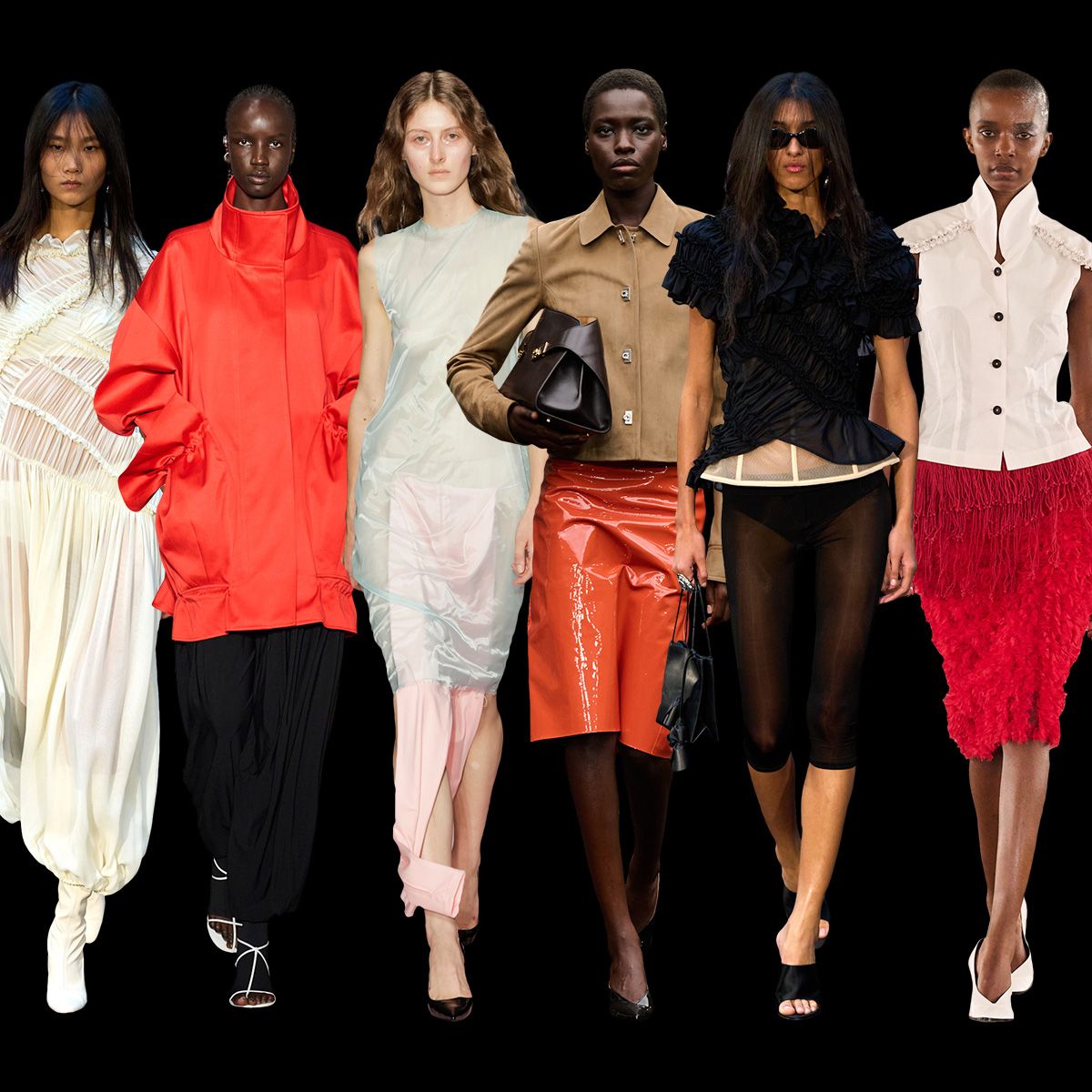
The runway is no longer just a platform for seasonal hemlines and fabric trends; it's a megaphone for civil rights, social justice, and systemic accountability. When designers send models down the catwalk wearing graphic statements or showcase collections built entirely by displaced artisans, they're participating in a deliberate shift. The human rights movement has firmly anchored itself within haute couture and ready-to-wear collections alike, transforming passive observers into engaged citizens.
This transformation isn't a fleeting marketing trend or a random PR stunt. It's a direct response to a consumer base that demands ethical transparency and cultural respect from the brands they support. From labor rights in garment factories to body inclusivity and racial equity on the catwalk, the fashion industry is rewriting its own code of conduct. Here's how this advocacy revolution works in practice, why it matters, and where it's headed next.
From Counterculture Statements to Mainstream Runways
Clothing has always communicated social standing, political allegiance, and personal identity. In the 1970s and 1980s, punk subcultures used ripped garments, safety pins, and provocative slogans to challenge conservative political regimes. Designers like Vivienne Westwood took these anti-establishment sentiments and brought them into mainstream European fashion houses, proving that textiles could act as political commentary.
However, historical fashion activism often stopped at visual provocation. Graphic tees with vague anti-war symbols or rebellious slogans generated buzz without demanding structural reform. The modern human rights revolution on the runway moves past superficial symbolism. Today's advocacy involves supply chain transparency, direct financial support for marginalized communities, and intentional shifts in who holds creative and executive power within major houses.
Brands now face intense public scrutiny if their activism doesn't align with their corporate practices. When a fashion house champions feminist slogans while relying on underpaid, exploited labor overseas, digital platforms expose the hypocrisy within hours. This accountability forces labels to integrate advocacy into their operational DNA rather than treating social causes as seasonal accessories.
Breaking Barriers: Diversity, Inclusion, and Representation
For decades, the global runway presented a uniform, narrow standard of beauty that excluded the vast majority of the world's population. Models were predominantly tall, thin, and white, erasing cultural diversity and reinforcing unrealistic body expectations. The human rights push within fashion began dismantling these exclusionary practices by demanding true representation.
Inclusion on the runway now encompasses racial diversity, body-type variation, age representation, and the inclusion of models with disabilities. When prominent labels cast models of various ethnic backgrounds, gender identities, and physical abilities, they challenge deeply ingrained societal biases. This visibility shifts cultural perceptions far beyond the tent shows of New York, Paris, and Milan.
- Casting as a political act: Selecting models from underrepresented communities gives literal platform and financial backing to talent historically locked out of luxury markets.
- Sizing equity: Expanding size ranges from sample sizes to inclusive grids acknowledges that consumers of all body types deserve stylish, well-constructed garments.
- Gender fluidity: Blurring traditional binary lines in menswear and womenswear collections supports broader civil rights movements for non-binary and transgender individuals.
Organizations like the Council of Fashion Designers of America (CFDA) have introduced guidelines and initiatives to encourage diverse hiring practices, though critics note that enforcement remains uneven and requires continuous pressure from consumer advocacy groups.
Labor Rights and the Human Cost of Clothing
Behind every glamorous runway garment lies a complex, global supply chain that employs millions of workers, predominantly women in developing nations. Historically, the fashion industry operated under a shroud of secrecy regarding factory conditions, living wages, and environmental impacts. Human rights advocacy has dragged these hidden realities into the light.
The Rana Plaza disaster in 2013 served as a devastating wake-up call, proving that fast-fashion and luxury supply chains routinely compromised human safety for profit margins. In response, activists and ethical fashion advocates launched global campaigns demanding living wages, safe working conditions, and strict adherence to international labor standards.
Today, runway advocacy intersects directly with labor unions and worker-led solidarity movements. Designers who champion human rights must answer questions about where their fabrics are sourced, who weaves their textiles, and whether those workers receive fair compensation. Transparency has become a primary metric of a brand's integrity.
Common Pitfalls in Fashion Advocacy
As social justice becomes a dominant cultural currency, the fashion industry has encountered several missteps. Brands frequently attempt to capitalize on progressive movements without committing to substantive change.
- Tokenism: Hiring a diverse cast for a single runway show while maintaining homogenous executive boards and design teams.
- Greenwashing and Ethics-washing: Using buzzwords like "conscious" or "sustainable" on clothing tags without providing verifiable proof of ethical supply chain practices.
- Performative Activism: Printing slogans on expensive garments while donating little to none of the proceeds to the actual social causes referenced.
Consumers and watchdog organizations quickly spot these tactics. True advocacy requires long-term investment, structural reorganization, and a willingness to listen to the communities brands aim to support.
Frequently Asked Questions
What triggered the shift toward human rights advocacy in modern fashion?
Increased digital connectivity and social media platforms gave consumers and marginalized workers the tools to demand accountability. Scandals involving worker exploitation and lack of diversity spread rapidly online, forcing brands to respond to public outrage.
Is runway advocacy actually effective at creating real-world change?
Yes, when paired with operational transparency and financial contributions. While a runway look alone cannot fix systemic inequality, it raises massive awareness, shifts cultural norms, and directs consumer dollars toward ethical enterprises and advocacy groups.
How can everyday consumers support ethical fashion and human rights?
Consumers can research brand supply chains through transparency indexes, buy less from exploitative fast-fashion giants, support independent designers from underrepresented backgrounds, and demand accountability from favorite labels via social media and purchasing choices.
Do luxury brands practice better human rights standards than fast fashion?
Not automatically. While luxury houses often have more resources to audit their supply chains, high-end production can still involve subcontracting to unregulated workshops. Independent verification matters more than price points.



