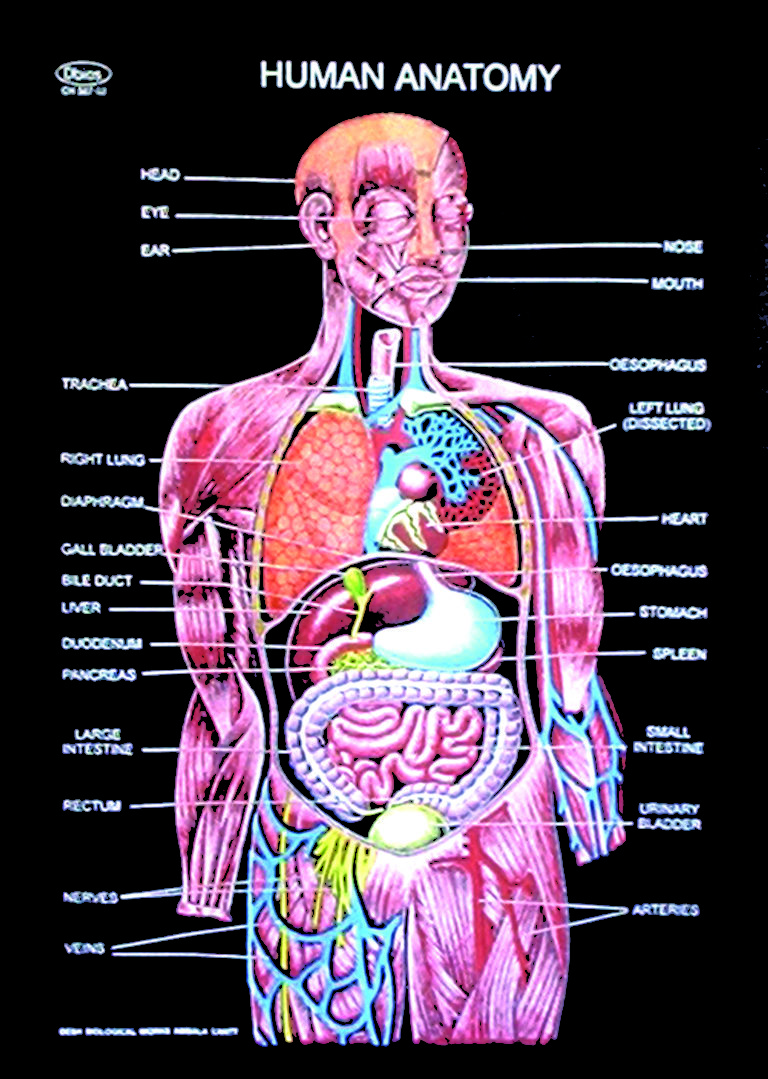
The human body operates as a self-sustaining biological ecosystem built from trillions of specialized cells working in continuous synchronization. From the mechanical leverage of your skeletal frame to the electrochemical signaling of your nervous system, understanding human anatomy reveals how physical form dictates biological function.
Most explanations of anatomy rely on static diagrams or overly simplified textbook summaries that miss how these systems actually interact under stress or during daily movement. When you look closer at how tissues, organs, and fluids coordinate, you see a masterclass in biological engineering. Let's break down the core systems, structural realities, and physiological mechanisms that keep you running.
The Structural Framework: Skeletal and Muscular Systems
Your physical shape and mobility depend on a rigid framework paired with dynamic tensile forces. An adult human body contains 206 distinct bones, though infants are born with nearly 270 that gradually fuse during growth and development.
This skeletal architecture provides three primary functions: protection for vital organs, structural support against gravity, and a mechanical anchor for muscle attachment. Bones aren't static calcium sticks; they are living, vascularized tissues that constantly remodel themselves in response to mechanical loading and nutritional availability.
Skeletal muscles attach to these bones via dense connective tissue tendons. When your brain sends an action potential down a motor neuron, muscle fibers contract by sliding actin and myosin filaments past one another. This sliding filament mechanism converts chemical energy from ATP into physical motion across joints.
Joint Mechanics and Articulation
Joints determine the range and type of motion available to your skeletal levers.
- Hinge joints, such as your knees and elbows, permit movement primarily in a single plane.
- Ball-and-socket joints, found in your shoulders and hips, allow multi-directional rotation and wide arcs of movement.
- Pivot joints, like the one between your first two cervical vertebrae, enable head rotation from side to side.
Ligaments stabilize these joints by connecting bone to bone, providing passive restraint that prevents excessive or damaging displacement during high-impact movement.
Internal Logistics: Cardiovascular and Respiratory Coordination
Cellular survival requires a continuous supply of oxygen and nutrients alongside the immediate removal of metabolic waste products like carbon dioxide. The cardiovascular and respiratory systems function as an integrated transport and exchange hub to manage this demand.
Air enters the body through the nasal cavity or mouth, travels down the trachea, and branches into smaller bronchi and bronchioles within the lungs. At the microscopic level, millions of thin-walled air sacs called alveoli sit directly adjacent to capillary beds. Oxygen diffuses across this respiratory membrane into the bloodstream, binding to hemoglobin inside red blood cells, while carbon dioxide diffuses in the opposite direction to be exhaled.
Once oxygenated, blood returns to the left side of the heart, which pumps it out through the aorta at high pressure. Arteries branch into smaller arterioles and eventually into microscopic capillaries where nutrient and gas exchange occurs with tissue cells. Deoxygenated blood then returns via venules and veins to the right side of the heart, which routes it through the pulmonary circuit to repeat the cycle.
Control and Regulation: The Nervous and Endocrine Systems
Your internal environment stays stable through two primary communication networks: the nervous system for rapid response and the endocrine system for slower, sustained chemical regulation.
The central nervous system, consisting of the brain and spinal cord, processes sensory input and issues motor commands. The peripheral nervous system extends outward to every corner of your body, split into the somatic division (voluntary control of skeletal muscle) and the autonomic division (involuntary control of smooth muscle, cardiac muscle, and glands).
The endocrine system operates in parallel by releasing hormones directly into the bloodstream from glands such as the pituitary, thyroid, and adrenal glands. While a nerve impulse takes milliseconds to trigger a muscle twitch, a hormone like cortisol or insulin can circulate for minutes or hours, altering metabolic rates, glucose storage, or inflammatory responses across multiple organ systems simultaneously.
Common Misconceptions About Human Anatomy
Anatomical myths persist in popular culture due to outdated textbooks or viral internet trivia. Clearing these up helps build an accurate mental model of human physiology.
One common belief is that adult bones are completely rigid and unchanging structures. In reality, your skeleton undergoes continuous turnover through a process called bone remodeling, where specialized cells called osteoclasts break down old bone tissue while osteoblasts build new matrix. Roughly ten percent of your skeleton is replaced every year.
Another misconception involves brain cell regeneration. For decades, consensus dictated that humans were born with a fixed set of neurons that only died off over time. Neuroscience research now confirms that neurogenesis—particularly in the hippocampus—continues throughout adult life, influenced heavily by cardiovascular exercise, sleep quality, and cognitive stimulation.
Finally, people often view organ systems as isolated modules operating independently. In practice, pathology or stress in one system immediately triggers compensatory shifts across others. For instance, dehydration doesn't just dry out skin; it reduces blood volume, forces your heart rate to climb to maintain blood pressure, concentrates urine in the kidneys, and impairs cognitive focus via the nervous system.
Frequently Asked Questions
Why do infants have more bones than adults?
Babies are born with approximately 270 bones, many of which consist of flexible cartilage. As a person grows through childhood and adolescence, many of these smaller bones fuse together—particularly in the skull, spine, and pelvis—resulting in the standard adult total of 206.
How does the body regulate its internal temperature?
The hypothalamus in the brain acts as the body's internal thermostat. If body temperature rises, blood vessels near the skin dilate to release heat, and sweat glands activate for evaporative cooling. If temperature drops, blood vessels constrict to preserve core heat, and muscles trigger rapid micro-contractions, known as shivering, to generate metabolic warmth.
What is the largest organ in the human body?
The integumentary system—specifically the skin—is the body's largest organ by surface area and weight. It acts as a physical barrier against pathogens, regulates fluid loss, synthesizes vitamin D when exposed to sunlight, and houses millions of sensory receptors.
How do muscles repair themselves after exercise?
When you lift heavy weights or engage in strenuous physical activity, microscopic tears occur in the muscle fibers. The body responds to this micro-trauma by activating satellite cells that fuse to the damaged fibers, repairing them and increasing muscle protein synthesis to make the tissue thicker and stronger over time.



