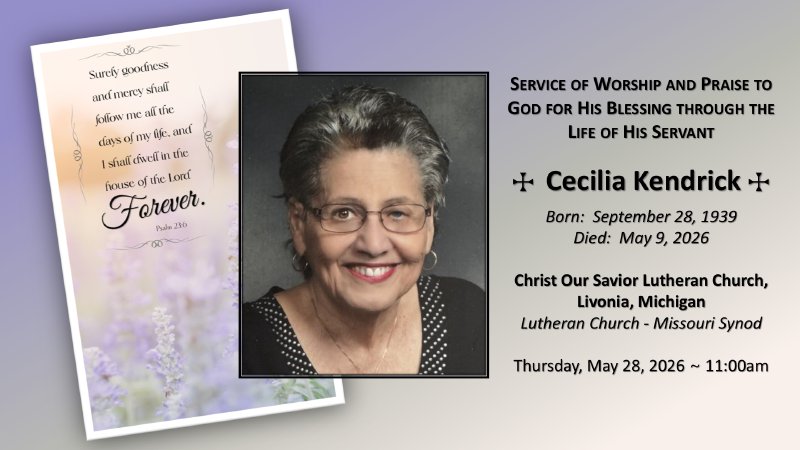
When a family member passes away, their story shouldn't vanish into a crowded social media feed or a forgotten newspaper clipping. Digital archives and specialized platforms like HTR Obituaries step in to capture these narratives, transforming basic death notices into permanent historical records.
Understanding how these platforms operate helps families preserve personal history for future generations. Whether you're researching genealogy or planning a memorial notice, digital obituary repositories offer tools that go far beyond traditional print announcements.
The Evolution of the Obituary
Traditional obituaries started as brief local newspaper announcements. They listed birth dates, survivors, and funeral service times. While functional, they left little room for personal story-telling.
Today, digital platforms change how communities record mortality. Instead of a single paragraph in a local gazette, modern notices feature photo galleries, interactive guestbooks, and detailed biographical sketches.
- Permanent storage: Print newspapers yellow and tear, but digital databases remain accessible across decades.
- Global reach: Relatives across the country can read and contribute memories instantly.
- Searchable databases: Genealogists can trace family lines without digging through microfilms in basement libraries.
According to the Library of Congress, preserving local historical records requires shifting toward structured digital formats that prevent data loss from physical degradation.
Why Digital Preservation Matters for Family History
Most people don't realize how quickly family details disappear. Without deliberate record-keeping, names, occupations, and personal milestones fade within three generations.
Digital obituary platforms act as a safety net against this loss. They aggregate notices from funeral homes and family submissions, indexing them so descendants can find them decades later.
When you look at a well-preserved obituary, you're seeing more than dates. You're reading about a person's trade, their military service, their quirks, and their contributions to their neighborhood.
Key Elements of a Lasting Obituary
- Biographical narrative: Moving beyond bare facts to describe passions, career milestones, and community impact.
- Direct source links: Connecting death records directly to census data, marriage certificates, and immigration files.
- Photographic evidence: Preserving portraits that capture a person's likeness at different stages of life.
How to Build a Comprehensive Family Obituary
If you're writing a notice for a loved one today, you have the power to create a document that outlasts temporary social posts. Don't rely on generic templates provided by funeral homes. Take control of the narrative.
- Gather vital statistics first: Collect exact dates, full legal names, maiden names, and locations of birth and death.
- Interview family members: Ask siblings and children for specific stories that highlight the person's character rather than just their resume.
- Highlight community contributions: Mention volunteer work, club memberships, or local business ventures that tied them to the area.
- Choose a permanent repository: Submit the final text to platforms that guarantee long-term hosting and indexing for researchers.
For formal guidelines on documenting vital statistics and public health records, consult the Centers for Disease Control and Prevention.
Common Mistakes When Preserving Family Records
Families often make errors that make future genealogical research difficult. Avoiding these pitfalls ensures your ancestors' stories remain intact.
- Leaving out maiden names: Women are frequently listed only by their married names, cutting off maternal research lines entirely.
- Relying on social media: Platforms change algorithms, shut down, or delete inactive accounts. A memorial page on a social network isn't a permanent archive.
- Skipping locations: Vague references like "survived by children in the West" make it impossible for future researchers to track geographic movement.
- Ignoring digital backups: Keep local digital copies of photos and text documents on secure external drives rather than trusting a single website.
Frequently Asked Questions
What makes digital obituaries better than print newspapers?
Print newspapers have limited space and restricted distribution. Digital platforms offer unlimited length, photo attachments, searchable indexing, and permanent accessibility for researchers worldwide.
How do I find older obituaries for genealogy research?
Start with specialized aggregator databases, digital state library archives, and platforms like National Archives to locate historical vital records and census documents that corroborate death dates.
Can I update an obituary after it's published online?
Most modern digital obituary platforms allow family members to submit corrections, add new photographs, or append additional memories to the existing permanent record.
Are digital obituary archives secure against data loss?
Reputable archives use redundant cloud storage and regular backups to protect records against server failures, ensuring family histories survive technological shifts.



