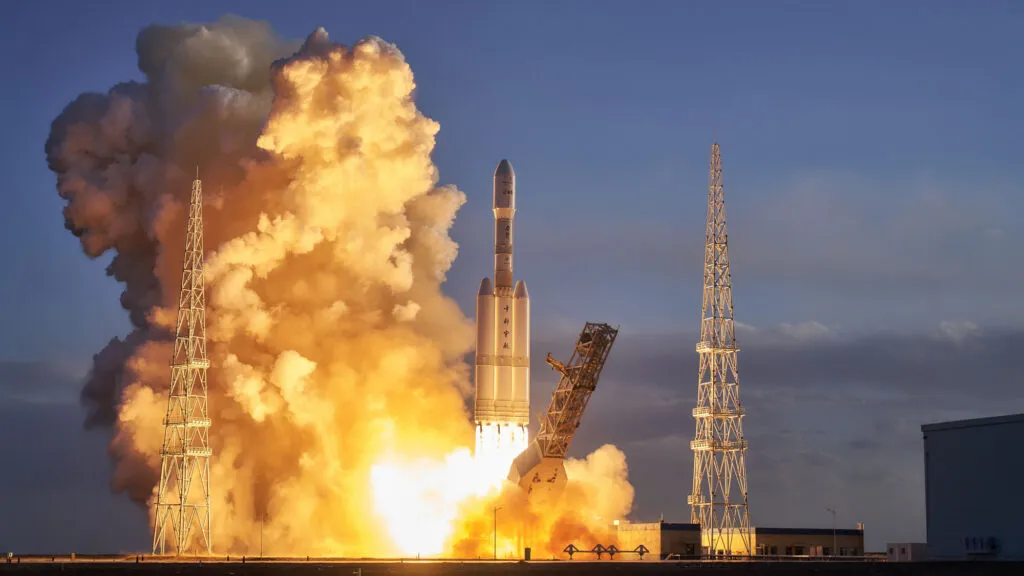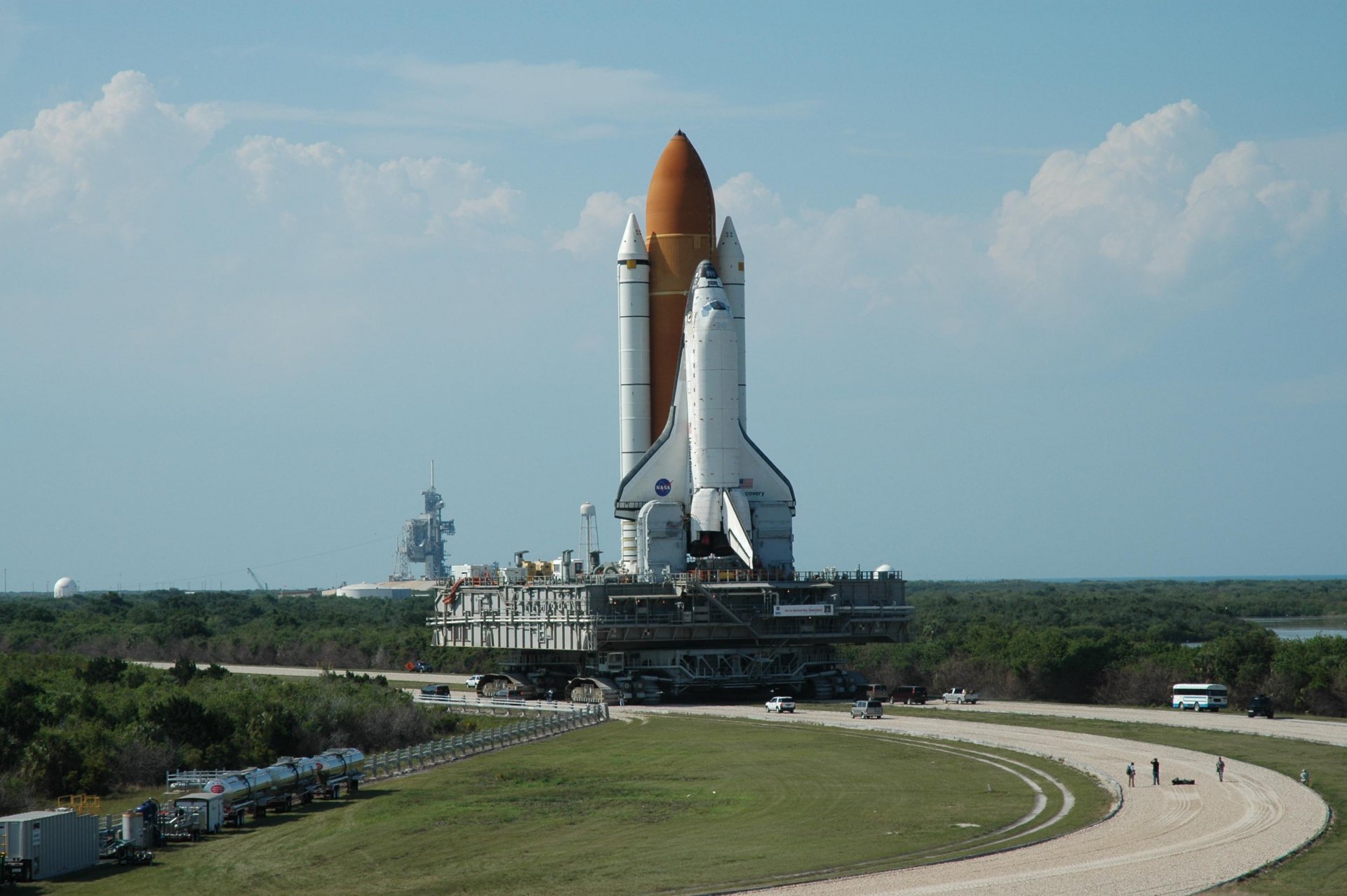
Travelling to the Moon takes anywhere from three days to several months, depending entirely on the spacecraft's propulsion system, the mission's trajectory, and fuel-efficiency goals. While historic crewed Apollo missions made the journey in roughly 75 to 80 hours, modern uncrewed missions and alternative orbital mechanics often stretch that timeline significantly.
The distance between Earth and the Moon isn't fixed because the lunar orbit is elliptical. On average, the Moon sits about 238,855 miles (384,400 kilometers) away. At its closest point (perigee), it drops to roughly 226,000 miles (363,300 km), while its farthest point (apogee) pushes out to about 251,000 miles (405,500 km). How a spacecraft navigates that gap determines the duration of the flight.
Historic Crewed Timelines: The Apollo Era
During the late 1960s and early 1970s, NASA prioritized speed and crew safety through direct transfer trajectories. These paths used massive amounts of fuel to punch out of Earth's orbit quickly, minimizing the time astronauts spent exposed to space radiation and relying on limited life-support consumables.
- Apollo 11 (1969): Took 75 hours and 49 minutes (just over 3 days) to reach lunar orbit.
- Apollo 8 (1968): The first crewed mission to orbit the Moon completed the outbound trip in 69 hours and 8 minutes.
- Apollo 17 (1972): The final crewed lunar landing mission took 86 hours and 14 minutes due to a slightly different insertion path.
These missions also relied on free-return trajectories. If the main engine failed, the Moon's gravity would naturally sling the spacecraft back toward Earth, ensuring the crew could survive even if orbital insertion failed.
Modern Spacecraft and the Artemis Program
Modern missions like NASA's Artemis program take a different approach. Instead of rushing with brute-force trajectories, engineers design fuel-efficient paths that leverage Earth and lunar gravity assists.
For example, the uncrewed Artemis 1 mission in 2022 took five days to reach lunar orbit and entered a distant retrograde orbit that extended the total mission duration. The operational goals of modern heavy-lift vehicles focus on payload capacity and long-term fuel preservation rather than raw speed.
Electric-Ion Propulsion and Slow Trajectories
Uncrewed robotic probes destined for the Moon often take the scenic route. Spacecraft utilizing electric-ion propulsion continuously fire low-thrust engines that sip xenon propellant rather than burning massive chemical loads.
- SMART-1 (2003): The European Space Agency's lunar probe used ion propulsion and took one year and six weeks to spiral outward and finally reach the Moon.
- GRAIL (2011): NASA's twin gravity-mapping spacecraft took over three months to reach low lunar orbit using a low-energy ballistic transfer via the Sun-Earth Lagrange points.
Theoretical Travel Times
If you strip away complex orbital mechanics and look at raw speed limits, travel time shifts drastically based on the vehicle:
- Speed of Light: A light beam or radio signal from Earth reaches the Moon in roughly 1.3 seconds.
- Commercial Jetliner: Flying a standard airliner at roughly 550 mph would take about 18 days of non-stop flight, assuming an atmosphere existed the entire way.
- Automobile: Driving a car at a steady 60 mph on an imaginary highway would take approximately 166 days of continuous driving.
Common Misconceptions About Lunar Transit
- Assuming a straight line: Spacecraft don't fly in a straight line from point A to point B. They travel in orbital curves that account for Earth's rotation, orbital velocity, and the Moon's movement through space.
- Confusing flybys with landings: A simple lunar flyby or distant orbit requires less braking fuel than entering a low lunar orbit or landing on the surface, altering day-to-day mission planning.
Learn more about current lunar initiatives through official programs like NASA Artemis.
Frequently Asked Questions
Why did Apollo take 3 days while some modern craft take longer?
Apollo used high-energy direct transfer trajectories designed to cut transit time and reduce life-support strain on astronauts. Modern uncrewed craft often use fuel-saving or low-energy transfers that trade speed for efficiency.
Can a spacecraft travel to the Moon in under 3 days?
Yes, but it requires an immense amount of propellant to achieve a higher departure velocity. For most robotic and crewed missions, the fuel cost outweighs the benefit of saving a few hours.
How long is the total round trip for a Moon mission?
An entire crewed Apollo mission typically lasted between eight and nine days from launch to splashdown. Modern multi-week or multi-month missions vary widely based on scientific objectives.
Does the Moon's distance change the travel time significantly?
Only slightly. Because the lunar orbit varies by about 25,000 miles between perigee and apogee, transit times fluctuate by a few hours depending on the exact launch window.