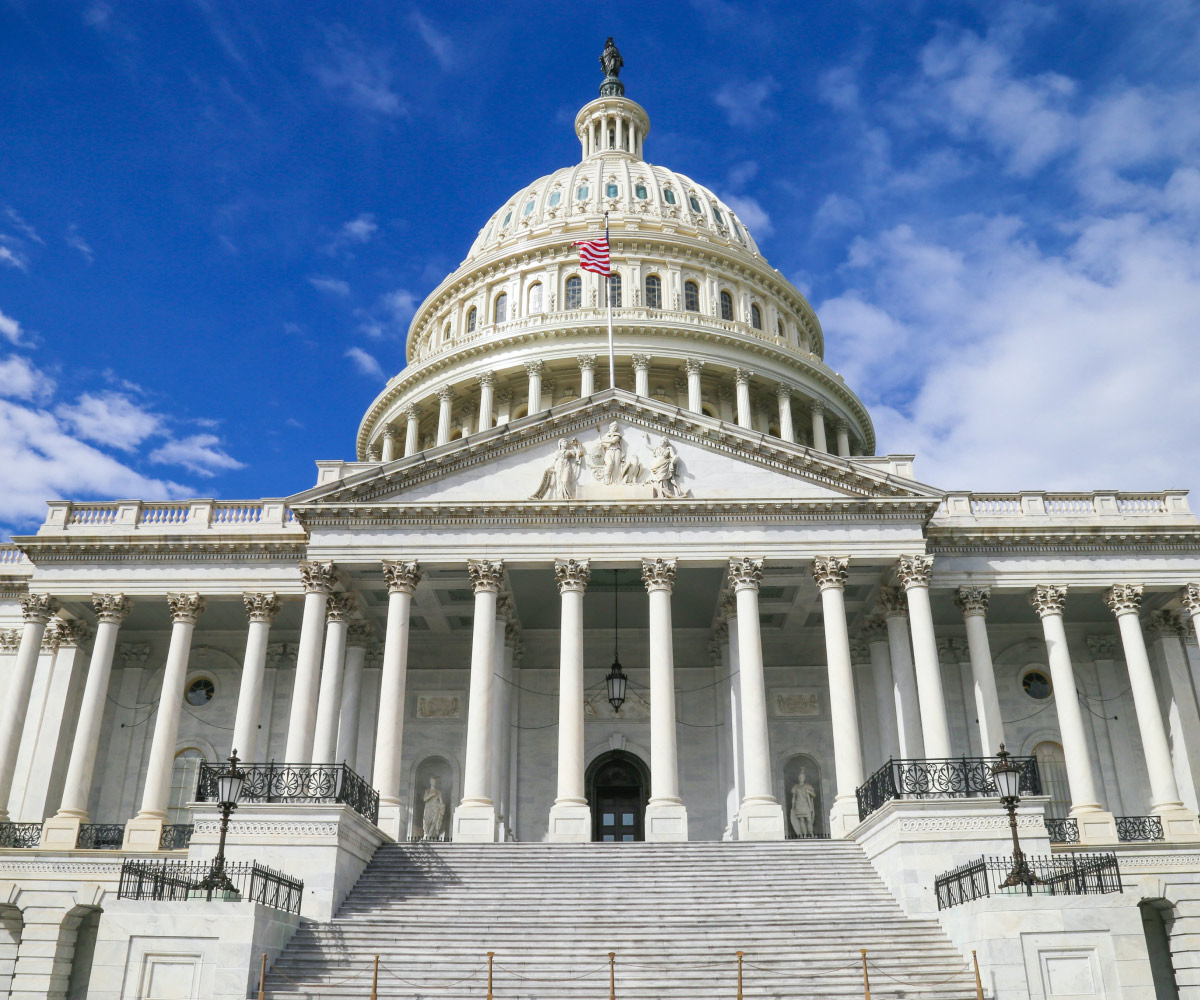
When Washington hits a legislative gridlock and federal funding lapses, panic often spreads well beyond Capitol Hill. You might wonder if your checking account will freeze, if your savings are still secure, or how government shutdowns affect FDIC insurance and your money. The short answer is that your insured bank deposits remain fully protected and accessible. Because the Federal Deposit Insurance Corporation (FDIC) operates on independent funding rather than annual congressional appropriations, a funding gap doesn't strip away your deposit coverage.
Even so, a prolonged federal closure isn't entirely invisible to the financial sector. While core protections stay firmly in place, administrative slowdowns, delayed federal mortgage approvals, and operational shifts behind the scenes can create ripple effects. Understanding how these political standoffs actually interact with your personal finances helps cut through the noise and keeps your money strategy steady.
How FDIC Funding Works During a Shutdown
Many people assume every federal agency closes its doors the moment a budget deadline passes. That isn't how independent financial regulators function. The FDIC is funded primarily through assessments and insurance premiums paid by private commercial banks, not through taxpayer-funded congressional budgets.
This distinct financial structure allows the agency to keep functioning normally when other parts of the government shut down. Deposit insurance funds remain fully capitalized by industry fees, meaning the legal guarantee protecting up to $250,000 per depositor, per insured bank, stays active without interruption. If a bank were to fail during a shutdown—an event completely unrelated to the budget impasse itself—the FDIC retains the legal authority and financial reserves required to step in, resolve the institution, and protect consumer deposits. To explore the bigger picture, we recommend the detailed analysis by The New York Times.
Immediate Real-World Impacts on Your Bank Accounts
Day-to-day banking experiences virtually zero disruption during a federal funding lapse. You can still access online portals, withdraw cash from ATMs, swipe your debit cards, and execute wire transfers or direct deposits on schedule.
- Branch Operations: Local brick-and-mortar bank branches remain open and fully staffed by private employees. They do not rely on federal workers to keep their doors unlocked.
- Direct Deposits: Paychecks from private employers, Social Security payments, and investment dividends clear normally through private clearinghouses and the Federal Reserve, which also operates independently of annual budget votes.
- Customer Service: Routine account inquiries, loan applications, and general support lines operate on normal schedules.
Where Shutdowns Actually Create Financial Friction
While your checking account and FDIC coverage are safe, auxiliary financial services tied directly to federal agencies experience notable bottlenecks. If you're trying to buy a home, secure a small business loan, or manage specific government-backed assets, you'll likely hit administrative delays.
Delays in Government-Backed Mortgages
If you are buying a home using a loan backed by the Federal Housing Administration (FHA), the Department of Veterans Affairs (VA), or the U.S. Department of Agriculture (USDA), a shutdown can stall your closing date. These programs rely on federal employees to verify income, process paperwork, and issue final loan guarantees. When non-essential federal staff are furloughed, mortgage processing queues back up quickly. Private conventional loans face fewer hurdles, but transactions tangled in federal verification requirements often stall until funding resumes.
Small Business Administration (SBA) Loan Bottlenecks
Entrepreneurs waiting on SBA-backed loans often experience funding freezes. While banks process the commercial side of the application, final approvals and federal loan guarantees require agency sign-off. New loan originations can pause entirely during extended standoffs, forcing business owners to rely on bridge financing or existing capital.
Federal Flood Insurance Processing
Real property closings in designated flood zones require specific federal insurance documentation. If the Federal Emergency Management Agency (FEMA) scales back operations, processing new flood insurance policies or renewing existing ones becomes difficult, which can legally halt property title transfers.
Regulatory and Supervisory Slowdowns
Behind the consumer-facing side of banking, federal oversight agencies like the FDIC, the Office of the Comptroller of the Currency (OCC), and the Federal Reserve adjust their operational posture during extended shutdowns. While examination teams keep an eye on high-risk institutions, routine on-site bank examinations and non-essential regulatory approvals often get postponed.
For the average saver, these internal adjustments change little immediately. However, prolonged lapses in comprehensive supervision mean that emerging banking vulnerabilities take slightly longer for regulators to catch and address. This makes it even more important for consumers to monitor their own bank's financial health and stick to institutions backed by official FDIC membership.
Common Mistakes to Avoid During a Shutdown
When headlines warn of economic chaos, fear-driven financial decisions can cost you real money. Avoid these common missteps:
- Withdrawing Cash En Masse: Pulling thousands of dollars out of your checking account out of fear that banks will close creates unnecessary security risks and deprives you of interest. Your money is safer inside an FDIC-insured account than hidden at home.
- Falling for Shutdown Scams: Scammers frequently exploit political uncertainty by sending phishing emails claiming banks are freezing accounts or altering deposit insurance limits. Verify all communications directly through your bank's official app or secure website.
- Ignoring Loan Timeline Realities: If you are closing on a mortgage or securing a federal loan, don't assume timelines will hold. Build extra buffer time into your contracts to account for potential bureaucratic slowdowns.
- Confusing Federal Pay with Bank Safety: While federal employees often experience missed paychecks during shutdowns, this personal cash flow strain does not mean commercial banks are insolvent or unstable.
To check official federal operating statuses during a budget lapse, you can reference guidance provided by the Consumer Financial Protection Bureau or review consumer alerts directly on the FDIC Official Website.
Frequently Asked Questions
Does the FDIC run out of money if a shutdown lasts for months?
No. The FDIC's Deposit Insurance Fund is financed by insurance assessments paid by banks and earnings on investments in U.S. government obligations. It does not rely on annual congressional appropriations, ensuring it remains fully funded regardless of political stalemates.
Will my debit card stop working during a federal government shutdown?
No. Debit cards, credit cards, mobile wallets, and ATM networks are managed by private financial institutions and independent payment processors. They continue to operate seamlessly regardless of federal budget negotiations.
Are credit unions affected differently than banks?
Credit unions operate under the exact same principles as traditional banks during a shutdown. Federally insured credit unions are backed by the National Credit Union Share Insurance Fund (NCUSIF), which is managed by the National Credit Union Administration (NCUA)—an independent agency whose core share insurance operations also continue uninterrupted.
What happens to my tax refunds or federal benefit payments if the government shuts down?
Mandatory spending programs like Social Security, Supplemental Security Income (SSI), and veterans' benefits generally continue to disburse on schedule because they are funded by permanent appropriations. However, discretionary agency services and paper-check processing can face administrative delays.



