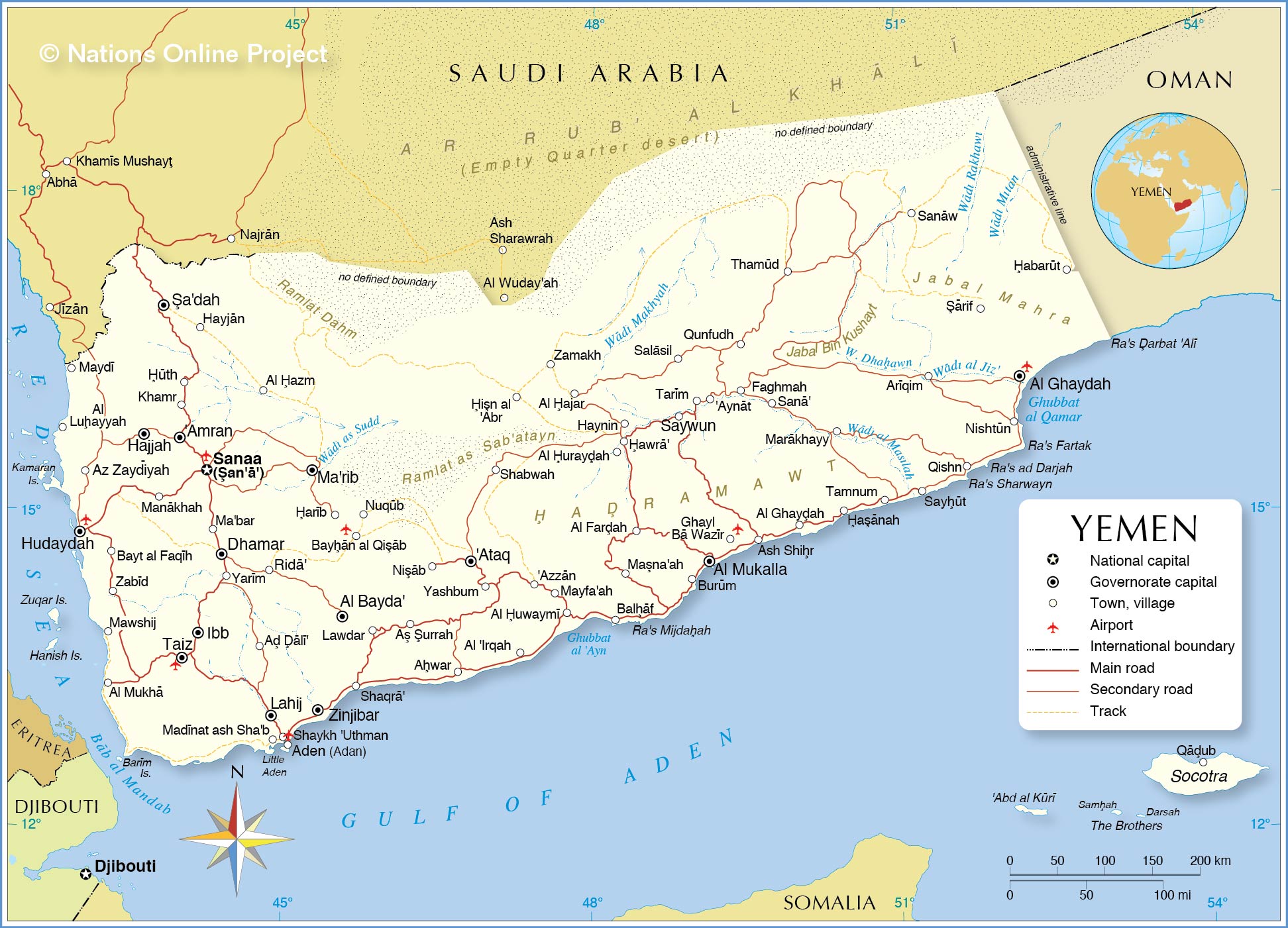
Houthi military power has evolved from a localized guerrilla insurgency into a formidable asymmetric force capable of disrupting global maritime trade. Operating primarily out of northern Yemen, the Ansar Allah movement transformed captured state stockpiles and external technical assistance into an extensive arsenal of ballistic missiles, cruise missiles, and loitering munitions. Understanding this transformation requires looking past standard threat assessments to examine how non-state actors scale sophisticated military capabilities.
The primary driver behind the group's current strategic reach is a localized manufacturing and assembly network backed by foreign technical supply chains. Rather than relying entirely on complete weapon systems smuggled across maritime borders, the group adapted commercial off-the-shelf components—such as engines, guidance modules, and telemetry systems—into long-range strike platforms. This approach allows them to sustain operational tempos despite years of targeted airstrikes and naval interdictions.
Evolution of the Houthi Arsenal
The core of Houthi military capability rests on three primary vectors: anti-ship cruise and ballistic missiles, one-way attack drones, and asymmetric naval warfare tactics. During the protracted civil war inside Yemen, the movement captured remnants of the former national military's inventory, including Soviet-era Scud variants and surface-to-air systems. Over time, these legacy platforms were reverse-engineered and upgraded.
Ballistic and Cruise Missiles
Long-range strike options have expanded significantly through systems like the Burkan series, which are modifications of older Scud architectures, alongside newer regional designs such as the Hatem and Toofan. These solid- and liquid-fueled missiles provide standoff ranges exceeding 1,000 to 2,000 kilometers, placing vital infrastructure and shipping lanes well within targeting parameters.
Alongside ballistic platforms, low-flying cruise missiles like the Quds-3 provide terrain-following capabilities that complicate radar detection. Flying at low altitudes, these cruise missiles exploit gaps in traditional air defense radar coverage, making them difficult to intercept before terminal phases.
Unmanned Aerial Systems
Unmanned aerial vehicles (UAVs) serve as an economical method for long-range surveillance and strike operations. Platforms like the Samad-3 and the delta-wing Shahed-series loitering munitions provide ranges capable of reaching regional targets and maritime corridors.
- Samad-3: Features extended fuel capacity for long-distance navigation and single-use strike profiles.
- Qasef-2K: Deployed as a tactical kamikaze drone, often programmed to detonate above radar installations or troop concentrations.
- Reconnaissance UAVs: Provide real-time targeting data for shore-based anti-ship missile batteries.
Maritime Asymmetry in the Red Sea
The most visible manifestation of Houthi military power is the campaign targeting commercial shipping in the Red Sea and the Bab al-Mandab Strait. By combining anti-ship ballistic missiles (ASBMs) with uncrewed surface vessels (USVs) and explosive-laden watercraft, the group established a localized anti-access/area-denial (A2/AD) bubble.
Anti-ship ballistic missiles present a unique technical challenge because they re-enter the atmosphere at high velocities, requiring advanced naval interceptors like the Standard Missile-3 or Standard Missile-6 families. When deployed alongside low-flying cruise missiles and drone swarms, these attacks force coalition naval vessels into high-consumption defensive cycles.
Furthermore, the deployment of sea mines and explosive-laden remote-controlled boats adds a multi-domain dimension to maritime threats. These low-cost assets require constant counter-measures from international task forces operating under Operation Prosperity Guardian and similar security umbrellas, creating a steep economic asymmetry where inexpensive munitions force the expenditure of multimillion-dollar interceptors.
Command Structure and Operational Resilience
Military resilience stems from decentralized command structures embedded within rugged terrain. Decades of mountainous warfare experience taught the movement how to utilize underground bunkers, mobile launchers, and concealed supply depots.
Unlike conventional state militaries that rely on fixed command-and-control nodes and rigid hierarchies, Houthi operational cells operate with high autonomy. Decentralization ensures that even when senior leaders or specific missile depots are targeted by airstrikes, local units retain the capability to assemble, transport, and fire mobile systems independently.
Strategic Implications for Regional Security
The expansion of non-state military sophistication alters traditional deterrence frameworks. Historically, sophisticated long-range strike capabilities were the exclusive monopoly of sovereign nation-states with advanced defense industrial bases. The ability of the Houthis to acquire, adapt, and employ precision-guided munitions demonstrates a broader diffusion of military technology.
International responses, including operations by the European Union Naval Force Aspides and coalition airstrikes, aim to degrade these stockpiles. However, air campaigns alone rarely neutralize mobile, dispersed arsenals hidden in complex terrain. Future security in the region depends heavily on intercepting foreign supply networks, securing vital choke points, and addressing the underlying political dynamics of the Yemeni conflict.
Frequently Asked Questions
How did the Houthis acquire advanced missile technology?
The group integrated inherited stockpiles from Yemen's national military with foreign technical assistance. They successfully localized the assembly of drone and missile components, utilizing commercial parts alongside transferred designs.
What makes anti-ship ballistic missiles a threat to shipping?
Unlike traditional cruise missiles, anti-ship ballistic missiles travel at high speeds and descend upon targets from the upper atmosphere, drastically reducing the reaction time for commercial vessels and requiring specialized naval defense systems.
Can airstrikes completely eliminate Houthi military capabilities?
Airstrikes degrade infrastructure and reduce active stockpiles, but because the movement relies on mobile launchers, underground depots, and decentralized cells, total eradication through air campaigns alone remains structurally difficult.
What is the economic impact of the Red Sea maritime campaign?
Attacks on commercial shipping lanes force global cargo carriers to divert around the Cape of Good Hope, adding significant transit time, increasing fuel consumption, and raising global shipping insurance and freight costs.



