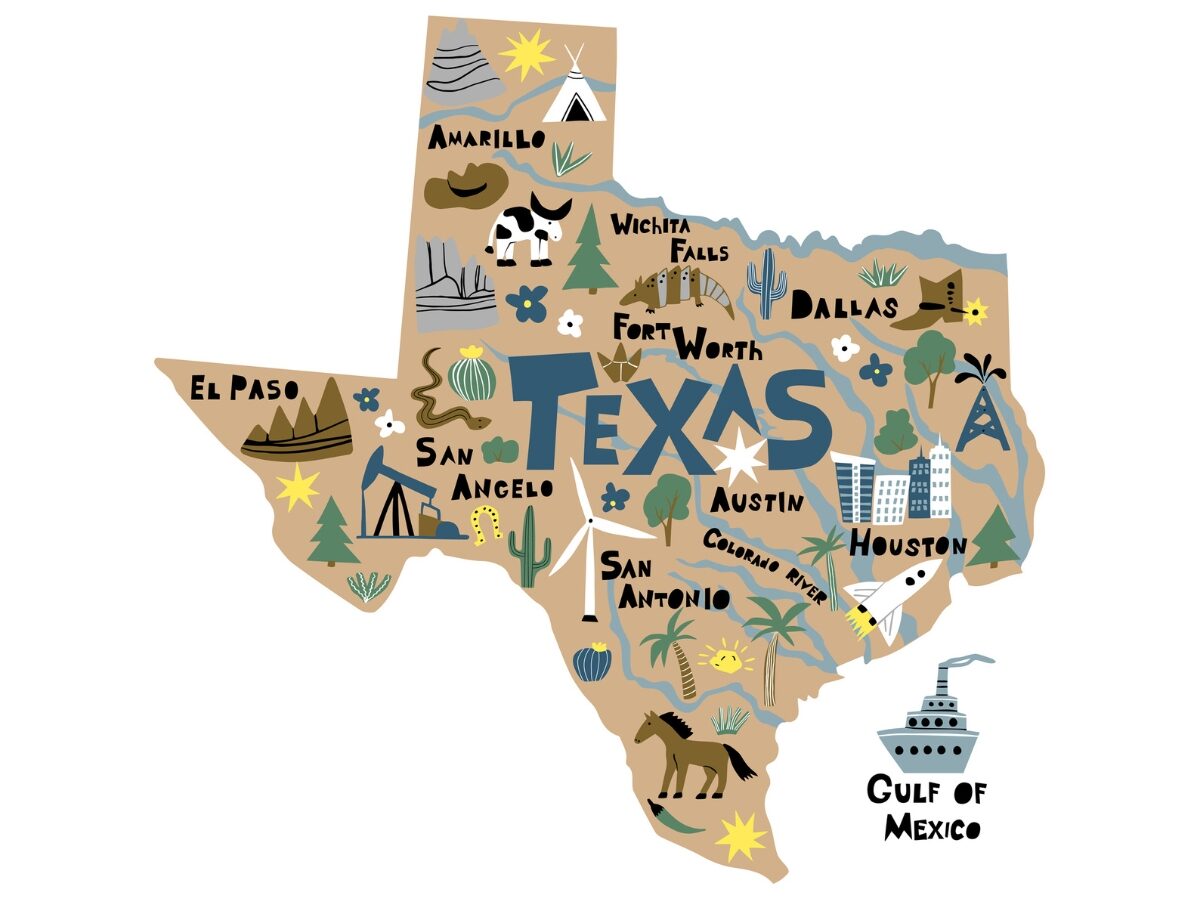
Flying from Houston to Los Angeles is one of the most frequent domestic routes in the United States, connecting two massive economic and cultural hubs across the American South and West. A direct flight between George Bush Intercontinental Airport or William P. Hobby Airport and Los Angeles International Airport typically takes about three hours and thirty minutes to three hours and fifty minutes heading west. When you're flying back east, tailwinds usually cut that duration down closer to three hours and ten minutes.
Understanding the mechanics of this journey goes beyond simply looking at the clock on the airplane bulkhead. The flight spans roughly 1,380 miles across two time zones, pushing you back two hours when you land in California. Navigating the logistics requires looking closely at airline choices, airport congestion, seasonal weather patterns, and ground transportation on both ends.
Direct Flight Durations and Airline Options
Several major carriers operate multiple daily nonstop flights between Houston and Los Angeles, giving travelers plenty of flexibility. United Airlines and Southwest Airlines maintain the heaviest schedules out of Houston, while American Airlines and Spirit Airlines also offer regular options depending on the season.
When you book a nonstop itinerary, the scheduled block time usually reads around three hours and forty-five minutes. Airlines pad these schedules slightly to account for taxi times and busy airspace, especially around Southern California. Actual airborne time is often closer to three hours and twenty minutes.
If you choose a connecting flight—stopping perhaps in Dallas, Phoenix, or Denver—your total travel time jumps dramatically. Layovers can easily turn a straightforward three-hour journey into a six-to-eight-hour ordeal. Unless you're hunting for a specific budget fare or booking late, sticking to nonstop options keeps your travel day manageable.
Airport Logistics in Houston: IAH vs. HOU
Houston features two major commercial airports, and your choice of departure point impacts your commute and overall airport experience.
George Bush Intercontinental Airport sits on the north side of the city and serves as a massive hub for United Airlines. It handles the bulk of the transcontinental traffic to the West Coast. If you live in the northern suburbs, The Woodlands, or downtown, IAH is usually the most convenient option. However, the sheer size of the terminals means you need to arrive at least two hours before a domestic departure to clear parking, security, and long concourse walks.
William P. Hobby Airport sits closer to downtown on the south side and serves as a primary focus city for Southwest Airlines. Hobby is much more compact than IAH, which makes getting from the curb to your gate significantly faster. If you're flying Southwest, Hobby offers a smoother, less stressful terminal experience.
Arriving in Los Angeles: LAX and Alternatives
Landing at Los Angeles International Airport brings you right into the heart of Southern California, but LAX is notorious for ground traffic and terminal congestion.
LAX is undergoing continuous modernization, which often shifts pickup zones, shuttle stops, and rideshare locations. Exiting the terminal area via the horseshoe-shaped arrivals roadway can take up to thirty minutes just to reach the outer lanes. Many savvy travelers take the free shuttle to LAXit or walk to a nearby hotel pickup spot to meet rideshare drivers faster.
Depending on your final destination in Southern California, you might also consider alternative airports like Hollywood Burbank Airport, Long Beach Airport, or John Wayne Airport in Orange County. While direct flights from Houston to these secondary airports are less common or require specific airline schedules, landing outside LAX can save hours of driving through regional traffic if you're visiting specific suburbs or beach cities.
Understanding Time Zone Changes and Scheduling
Traveling from Houston to Los Angeles means crossing from the Central Time Zone into the Pacific Time Zone, losing two hours in the process.
A morning flight departing Houston at 8:00 AM Central Time will land in Los Angeles around 9:45 AM Pacific Time. While the physical journey feels short, the time shift lets you maximize your first day in California, giving you a full afternoon for meetings or sightseeing.
The return trip works in reverse. An afternoon flight leaving Los Angeles at 2:00 PM Pacific Time gets you back into Houston around 7:15 PM Central Time due to the combination of the two-hour shift and the longer eastbound flight duration.
Seasonal Weather and Turbulence Factors
The flight path between Texas and New Mexico into Southern California generally offers smooth cruising altitudes, but seasonal weather patterns can introduce delays.
Winter and spring bring stronger jet stream activity, which heavily influences flight times. Eastbound flights heading back to Houston often catch high-altitude tailwinds that push ground speeds well above normal, occasionally shaving twenty or thirty minutes off the scheduled duration. Conversely, severe thunderstorms across the Gulf Coast and Texas plains during spring and summer frequently disrupt departures from Houston, leading to ground stops and air traffic control delays.
Summer brings heavy fog and low marine layers along the Southern California coast, which can occasionally trigger low-visibility landing procedures at LAX. While modern aircraft handle these conditions easily, minor spacing adjustments by air traffic control can add a few extra circles or holding patterns before touchdown.
Practical Tips for a Smooth Trip
- Book morning departures: Early flights face fewer cascading delays from earlier airport congestion across the national airspace system.
- Monitor parking reservations: Both IAH and HOU offer advance parking reservations that save money and guarantee a spot in the garages during peak travel weeks.
- Track baggage carefully: Major airlines allow real-time bag tracking through their mobile apps, giving you peace of mind from the Houston drop-off to the Los Angeles carousel.
- Prepare for ground transit: Factor in at least an hour of driving time from LAX to central Los Angeles during peak afternoon hours, as Southern California traffic rarely moves at highway speeds during rush hour.
Frequently Asked Questions
What is the exact distance between Houston and Los Angeles?
The direct, great-circle distance between Houston and Los Angeles is approximately 1,380 miles. Flight paths vary slightly based on air traffic routing and weather, but actual distance traveled through the air is close to 1,450 miles.
Are there budget airlines flying nonstop between Houston and Los Angeles?
Yes, carriers like Spirit Airlines and Southwest frequently offer low-cost nonstop options, though seat selection, carry-on bags, and checked luggage may incur separate fees depending on the fare class you choose.
Which Houston airport is better for flying to California?
It depends on your location in Houston and your airline preference. Choose IAH if you prefer United Airlines or live on the north side of the city. Choose Hobby if you fly Southwest and want a smaller, faster-moving terminal experience.
How early should I arrive at the airport for this domestic flight?
For domestic flights between major hubs like Houston and Los Angeles, arriving two hours before departure gives you enough time to check bags, clear security lines, and reach your boarding gate without rushing.


