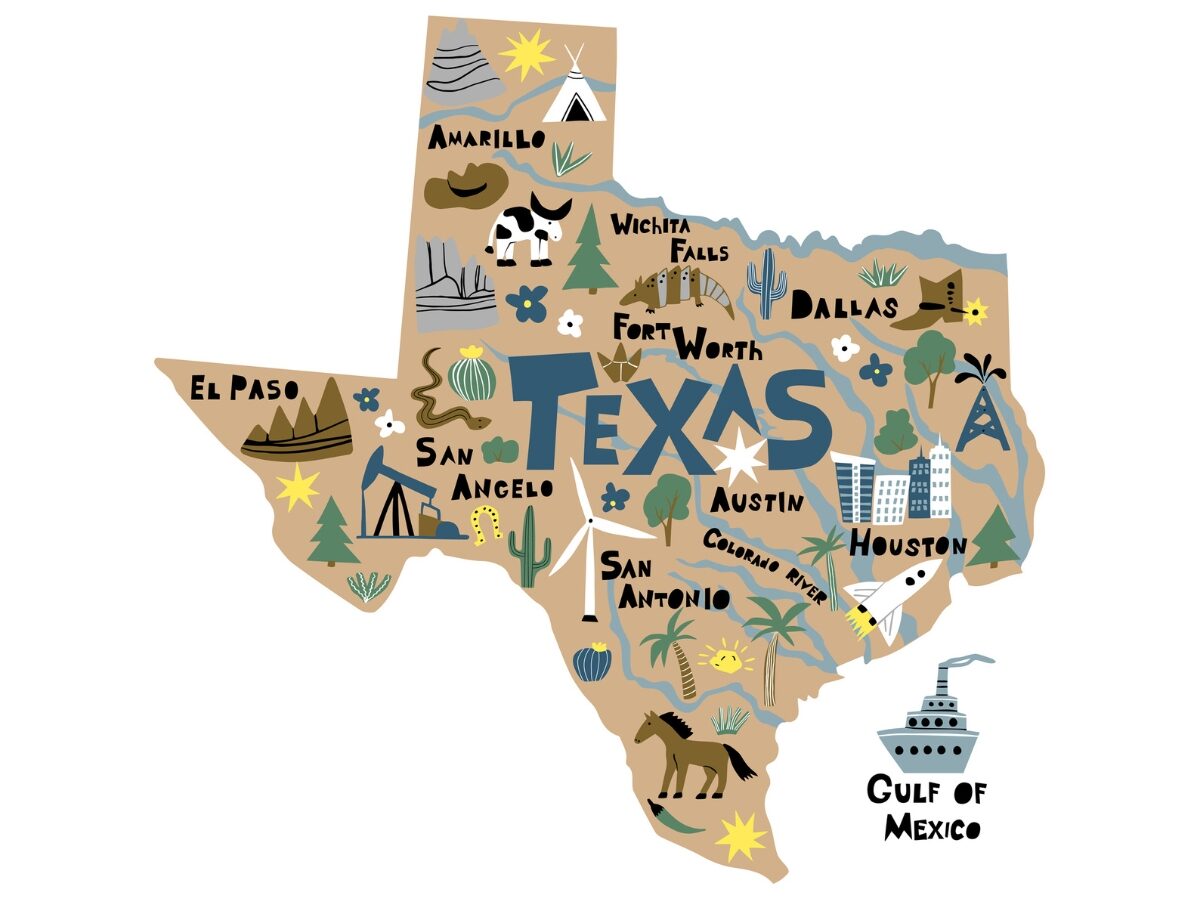
Houston operates on the Central Time Zone, sitting at UTC-6 during standard months and shifting to UTC-5 when seasonal adjustments take effect. As the largest city in Texas and a major national hub for energy, healthcare, and aerospace, keeping track of these regional clock shifts prevents costly scheduling errors in business meetings, flight tracking, and nationwide logistics.
Understanding how local time behaves requires looking past basic map offsets. The city observes bi-annual clock changes mandated by federal guidelines, though state-level pushes for permanent standard or daylight changes continue to spark legislative debates across Austin. Whether you're coordinating a conference call with New York or planning a flight out of George Bush Intercontinental Airport, knowing the exact mechanics of Central Standard Time (CST) and Central Daylight Time (CDT) keeps your schedule intact.
The Central Time Zone Foundation in Houston
Houston follows the Central Time Zone year-round, but the specific designation changes twice a year.
- Central Standard Time (CST): Active from early November to mid-March, operating at UTC-6.
- Central Daylight Time (CDT): Active from mid-March to early November, operating at UTC-5.
This means Houston sits one hour behind Eastern Time (New York, Miami), two hours ahead of Pacific Time (Los Angeles, Seattle), and six hours behind Coordinated Universal Time during standard winter months. Because the entire state of Texas—with the minor exception of a few West Texas counties near El Paso that follow Mountain Time—shares this clock, business scheduling across Houston, Dallas, Austin, and San Antonio remains entirely unified.
How Daylight Saving Time Works in Texas
Like most of the United States, Houston adjusts its clocks twice a year to maximize daylight hours during the warmer months. These shifts follow strict federal calendars established under the Energy Policy Act of 2005.
Spring Forward
On the second Sunday in March at 2:00 AM local time, clocks move forward by one hour to 3:00 AM. This transition marks the shift from CST to CDT. Residents lose one hour of sleep, but evenings gain an extra hour of sunlight, pushing sunset later into the evening.
Fall Back
On the first Sunday in November at 2:00 AM local time, clocks turn backward by one hour to 1:00 AM. This transition ends Daylight Saving Time, returning the city to Central Standard Time. Residents regain an hour of sleep, mornings get brighter earlier, and sunsets arrive noticeably earlier in the late afternoon.
According to the National Institute of Standards and Technology, these official transitions happen simultaneously across the entire zone, minimizing confusion for telecommunications and automated digital systems.
Legislative Efforts and the "Texas Time" Debate
For years, Texas lawmakers have attempted to eliminate the bi-annual clock changes. State initiatives, including legislative frameworks passed by state representatives, have sought to establish year-round daylight saving time, often nicknamed "Texas Time".
However, under the federal Uniform Time Act of 1966, individual states do not have the unilateral authority to switch permanently to daylight saving time. While states can choose to opt out of daylight saving time entirely and remain on standard time year-round—as Arizona and Hawaii do—adopting permanent daylight saving time requires an act of Congress. Federal proposals like the Sunshine Protection Act surface regularly in Washington, but until federal law changes, Houston homes, offices, and digital devices must continue falling back and springing forward every year.
Common Scheduling Pitfalls and How to Avoid Them
Time zone mistakes between Houston and other major commercial regions can disrupt financial markets, shipping deadlines, and virtual meetings.
- Assuming National Uniformity: Because Arizona, parts of Indiana historically, and Puerto Rico handle time differently, don't assume every US jurisdiction matches Texas rules during transition weeks.
- Ignoring Global Partner Offsets: International partners in Europe or Asia shift their clocks on entirely different dates in March and October. For a few weeks each spring and fall, the time gap between Houston and London narrows or widens by an hour.
- Overlooking Flight Itineraries: When booking travel out of William P. Hobby Airport or Bush Intercontinental, departure and arrival times printed on tickets always reflect the local time of the origin and destination cities. Double-check connection windows during transition weekends.
To prevent errors, verify calendar app settings on smartphones and computers, as operating systems usually handle the 2:00 AM transitions automatically. For critical international logistics, consulting the Time and Date World Clock ensures absolute accuracy.
Frequently Asked Questions
What is the current time zone offset for Houston?
Houston is on Central Standard Time (CST), which is UTC-6, during winter months. During summer months, it shifts to Central Daylight Time (CDT), which is UTC-5.
Does all of Texas share the same time zone?
Almost all of Texas is in the Central Time Zone. However, a small sliver of West Texas near El Paso observes Mountain Time to align more closely with New Mexico and El Paso's immediate cross-border neighbors.
When do clocks change in Houston next?
Clocks spring forward by one hour on the second Sunday in March at 2:00 AM, and fall back one hour on the first Sunday in November at 2:00 AM.
Can Texas legally stay on Daylight Saving Time year-round?
Not without federal approval. Federal law permits states to remain on standard time year-round without congressional consent, but moving permanently to daylight saving time requires an amendment to the Uniform Time Act.



