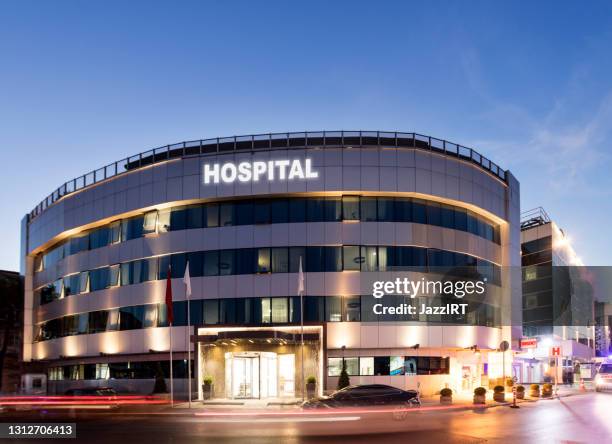
Hospital Dr Nélio Mendonça serves as Madeira's primary public healthcare institution, operating from the São Pedro district in Funchal. Named after a respected local physician, the facility anchors the region's medical infrastructure by providing round-the-clock emergency care, specialized clinical departments, and comprehensive diagnostic services for both local residents and travelers.
Understanding how the facility operates helps patients navigate appointments, emergency admissions, and specialized treatments efficiently. This guide outlines the hospital's core structure, available medical departments, and practical steps for visitors.
Historical Background and Evolution
Established originally in the late 1930s as Hospital Distrital do Funchal, the institution was designed to centralize medical services across Madeira Island. Over the decades, it expanded beyond basic triage and general surgery into a multifaceted medical center.
The renaming honored Dr. Nélio Mendonça, whose contributions to regional medicine shaped modern healthcare delivery on the island. Today, the facility functions under the wider Serviço de Saúde da Região Autónoma da Madeira network, coordinating public health initiatives and specialized medical training.
Core Medical Specialties and Departments
The hospital houses multiple specialized units to handle diverse medical needs, ranging from routine outpatient consultations to critical trauma care.
- Emergency Medicine: Operates 24 hours a day, 7 days a week, managing acute trauma, sudden illnesses, and urgent surgical interventions.
- Cardiology and Internal Medicine: Provides diagnostic assessments, cardiac monitoring, and chronic disease management.
- Pediatrics and Neonatology: Focuses on infant, child, and adolescent healthcare, including specialized neonatal support units.
- Obstetrics and Gynecology: Handles routine prenatal care, emergency obstetrics, and reproductive health services.
- Oncology and Surgery: Offers targeted therapies, surgical procedures, and post-operative care across various sub-specialties.
Diagnostic support units include on-site laboratory testing, X-ray imaging, computed tomography (CT) scans, magnetic resonance imaging (MRI), and ultrasound services.
Practical Information for Patients and Visitors
Visiting a public medical facility in an autonomous region requires specific preparation, particularly for non-residents and international tourists.
Access and Transportation
Located along Avenida Luís de Camões in Funchal, the hospital is accessible via local bus routes, taxis, and ride-sharing services. On-site parking is available, though spaces can be limited during peak morning hours. Wheelchair ramps, elevators, and designated accessible parking bays support visitors with reduced mobility.
Visiting Hours and Guidelines
General ward visiting hours typically run daily from 3:00 PM to 7:00 PM. However, exact times vary depending on the department—intensive care units and pediatric wards enforce stricter schedules to protect recovering patients. Visitors should check current regulations at the main reception desk upon arrival.
Documentation and Insurance
Patients arriving for scheduled appointments or non-emergency visits need to bring valid identification, personal medical records, and proof of health insurance.
- European Union citizens carrying a European Health Insurance Card (EHIC) receive subsidized public healthcare rates.
- Non-EU visitors should verify that their private travel or health insurance covers medical repatriation and hospital expenses.
- Emergency visits carry standard public administrative fees, with additional charges applicable for specialized inpatient treatments.
Frequently Asked Questions
Does Hospital Dr. Nélio Mendonça have English-speaking staff?
Yes. Medical professionals, nursing staff, and administrative teams frequently communicate in English, particularly within emergency and tourist-adjacent departments. Translation support can also be requested if needed.
Can tourists access emergency care here?
The emergency department treats anyone requiring urgent medical attention, regardless of nationality or residency status. Triage nurses assess incoming patients by severity rather than arrival time.
How do non-emergency appointments work?
Non-emergency specialist consultations require a referral from a primary care physician (centro de saúde). Direct walk-ins for non-urgent specialist care are generally not accepted.
Are private rooms available?
The facility primarily features shared ward rooms. Limited private accommodations may be requested upon admission, though availability depends on current occupancy and incurs additional daily fees.


