When a sport crosses the line from competitive entertainment into national obsession, the consequences can spin entirely out of control. That terrifying reality materialized in July 1969, when a series of World Cup qualifying matches between Honduras and El Salvador ignited a brief but devastating military conflict. Popularly remembered as the Football War, this clash proved that athletic rivalries can act as a dangerous fuse for deep political and economic powder kegs.
While soccer didn't cause the underlying hostilities, it accelerated a march toward violence that neither government seemed able or willing to stop. We're going to break down how agrarian friction, nationalist media, and three chaotic matches converged into a four-day war that forever changed Central America.
The Underlying Tensions Before the Matches
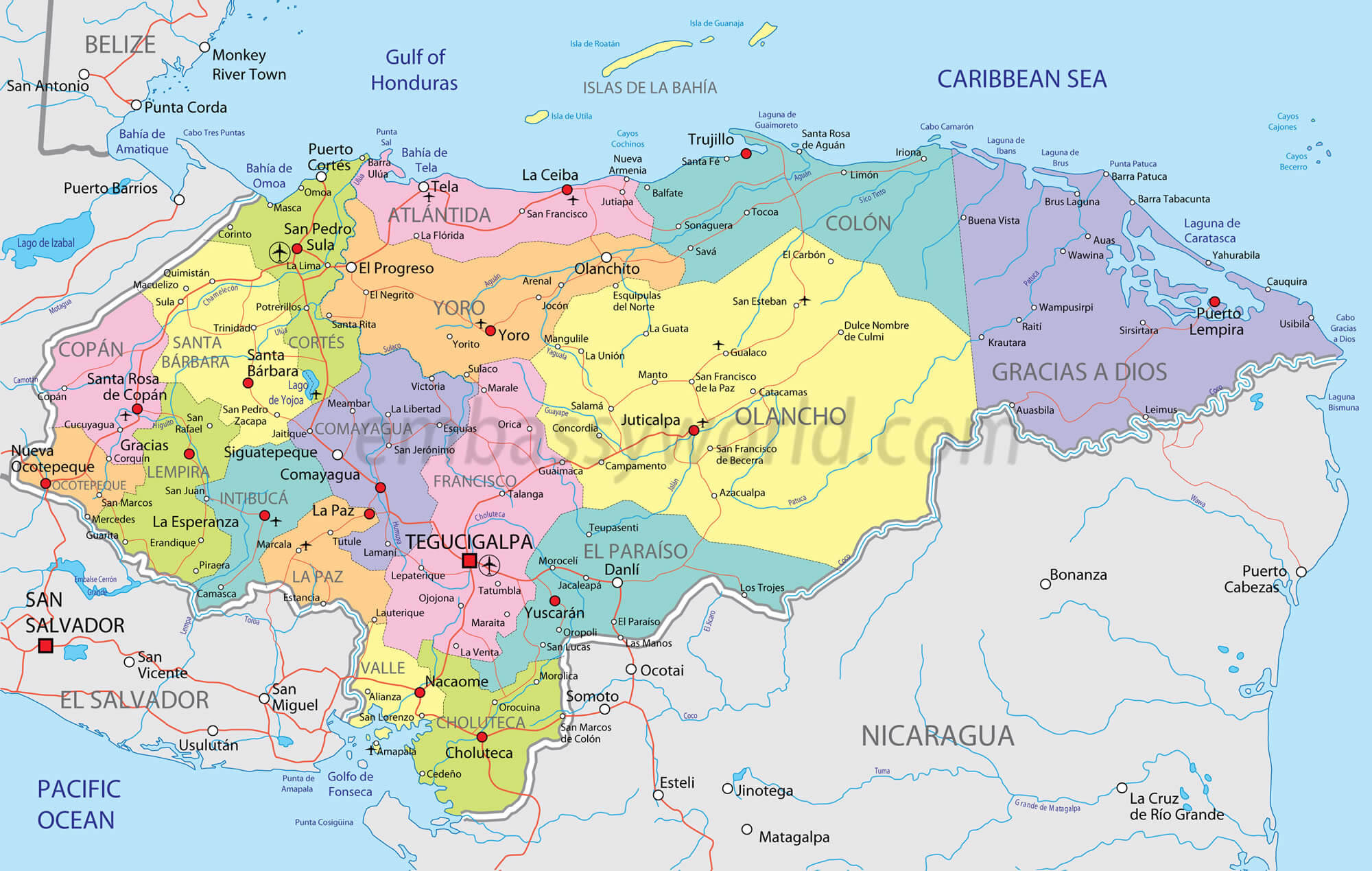
To understand why a soccer match triggered a war, you have to look past the pitch and examine the geography of Central America in the late 1960s. El Salvador was densely populated, with limited arable land. Thousands of Salvadoran peasants routinely crossed the border into Honduras—which was larger and had plenty of uncultivated land—to find work on farms and plantations.
By the end of the decade, an estimated 300,000 Salvadorans lived inside Honduran territory. While this labor fueled parts of the Honduran agricultural sector, it also created severe domestic friction. Further information into this topic are detailed by Associated Press.
- Land Reform Pressures: Honduran peasants pushed back against the influx, arguing that landless migrants were taking resources and property that belonged to locals.
- Economic Strain: The Honduran government faced rising unemployment and pointed the finger at the immigrant population.
- Mass Expulsions: Honduras enacted strict land and immigration policies, resulting in thousands of Salvadoran workers being stripped of land, fired, and forcibly driven back across the border.
These expulsions triggered immense anger in El Salvador. Newspapers in both nations ran inflammatory reports, depicting their neighbors as existential threats. The political climate was toxic long before the first whistle blew.
The 1970 World Cup Qualifiers
In June 1969, the national teams of Honduras and El Salvador were paired in a two-leg qualifying series for the upcoming 1970 FIFA World Cup. This athletic contest provided the exact spark needed to ignite the existing political tensions.
The first leg took place on June 8, 1969, in the Honduran capital of Tegucigalpa. Harassment greeted the Salvadoran team the night before kickoff, as hostile crowds threw rocks and firecrackers at their hotel windows. Honduras won the match 1–0, a result that prompted riots and alleged stadium arson by frustrated visiting fans.
* Leg 1 (Tegucigalpa): Honduras 1 - 0 El Salvador (Hostile crowd, hotel harassment)
* Leg 2 (San Salvador): El Salvador 3 - 0 Honduras (Violent retaliation, hotel siege)
* Playoff (Mexico City): El Salvador 3 - 2 Honduras (Neutral ground, extra time)
The second leg in San Salvador on June 15 turned far more dangerous. Seeking revenge for the treatment in Tegucigalpa, Salvadoran mobs besieged the Honduran team's hotel, smashed windows, and attacked traveling fans. During the match, organizers hoisted a dirty rag instead of the Honduran flag, and El Salvador cruised to a 3–0 victory.
When the Honduran players and fans returned home, they brought stories of abuse that sparked severe anti-Salvadoran retaliatory riots across Honduras. Thousands of additional Salvadorans fled the country in terror.
The Breaking Point and the Playoff
With both teams tied at one win apiece, FIFA ordered a decisive playoff match on neutral ground in Mexico City on June 27, 1969.
The atmosphere outside the stadium was tense, militarized, and heavily guarded. On the field, El Salvador triumphed 3–2 after extra time, securing their path toward the World Cup. Off the field, the diplomatic damage was already permanent.
Just hours before the playoff started, El Salvador officially severed all diplomatic ties with Honduras. The Salvadoran government accused Honduras of failing to protect immigrants, labeling the treatment of displaced peasants a form of genocide. Borders were sealed, propaganda outlets went into overdrive, and military forces on both sides began mobilizing along the frontier.
The 100-Hour War
What started as a sporting dispute crossed into open warfare on July 14, 1969. The Salvadoran military launched coordinated air strikes against Honduran airfields, while ground forces pushed across the border along major transit routes.
- The Air War: Honduras retaliated by bombing Salvadoran oil facilities and fuel reserves at cutuco and Acajutla, crippling a significant portion of El Salvador's strategic supplies. Interestingly, this conflict earned a unique footnote in military history as the final war featuring aerial dogfights between World War II-era, piston-engined fighter planes.
- The Ground Campaign: Salvadoran troops advanced rapidly into Honduran territory, capturing towns like Nueva Ocotepeque. However, supply shortages and stiffening Honduran defense lines quickly stalled their momentum.
Recognizing the regional disaster unfolding in their backyard, the Organization of American States (OAS) intervened immediately. Under intense diplomatic pressure and threat of severe economic sanctions, a ceasefire was brokered on the night of July 18, 1969. The fighting officially stopped after roughly 100 hours of combat.
Human Toll and Long-Term Fallout
Though short-lived, the human cost of the conflict was devastating. Estimates indicate that between 2,000 and 4,000 people—mostly civilians—lost their lives during the four days of fighting and the preceding civil unrest. Furthermore, more than 100,000 displaced Salvadorans were forced back into their home country, straining El Salvador's economy and social infrastructure.
According to historical analyses from institutions like the Library of Congress, this immense internal strain directly contributed to the political instability that erupted into the Salvadoran Civil War a decade later.
Borders between Honduras and El Salvador remained closed for more than a decade, and formal peace treaties weren't officially signed until 1980. Ironically, decades later, veterans from the 1969 national teams occasionally reunited for charity matches—demonstrating how sports can sometimes help heal what politics breaks.
Frequently Asked Questions
Did the soccer match actually cause the war?
No. Historians widely agree that football was merely the spark that ignited a massive powder keg. The underlying drivers were decades of unchecked migration, land scarcity, and economic disputes.
How long did the conflict last?
The military conflict lasted for roughly 100 hours, running from July 14 to July 18, 1969, before an OAS-negotiated ceasefire took effect.
Did either team qualify for the World Cup?
Yes. El Salvador won the playoff match in Mexico City, advanced to the 1970 FIFA World Cup tournament held in Mexico, and gained qualification.
Are diplomatic relations normal today?
Yes. Relations normalized after a peace treaty was signed in October 1980, and border disputes were eventually settled through international legal channels in the following decades.



