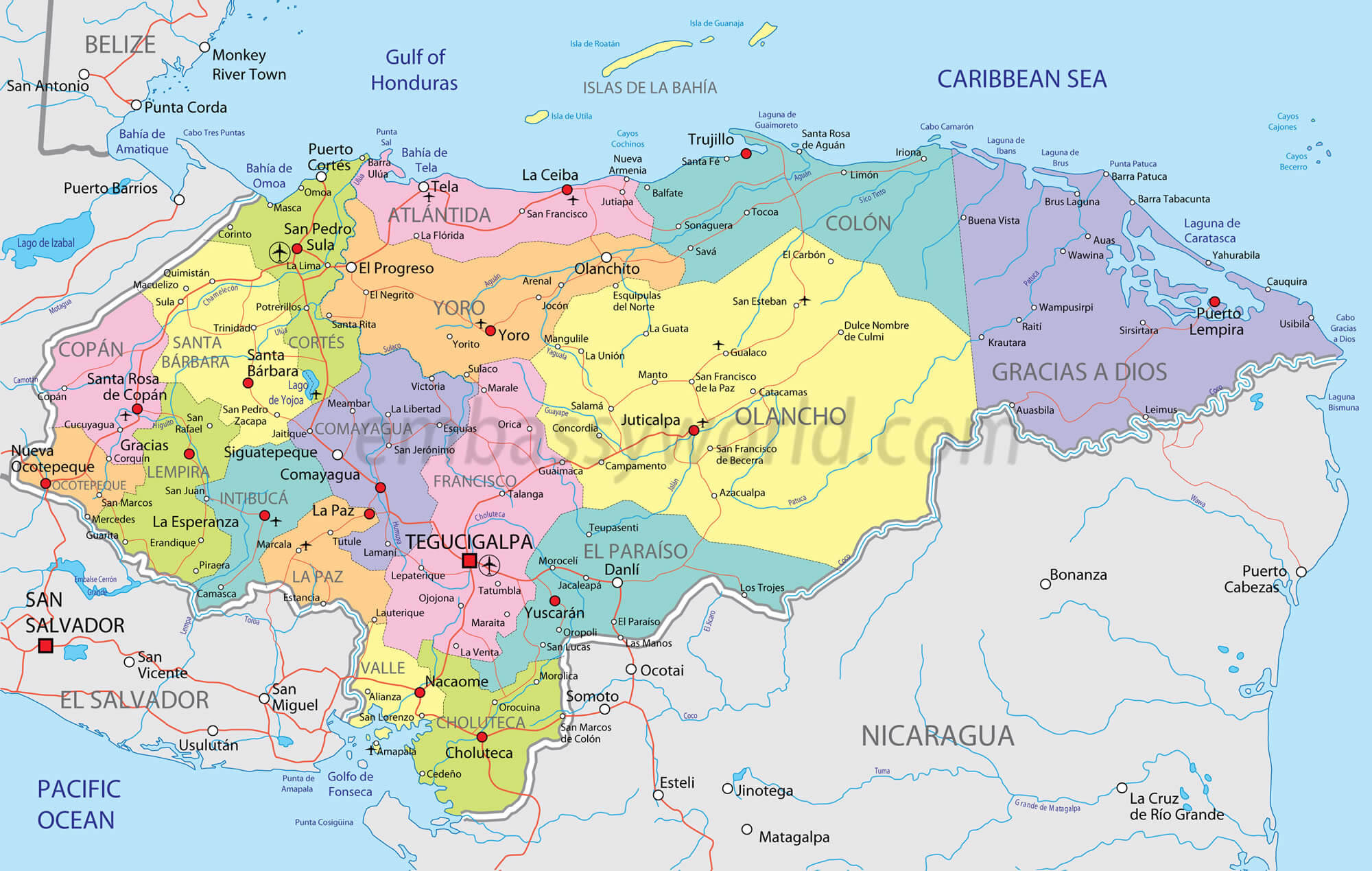
The conflict between Honduras and El Salvador is frequently remembered through the pop-culture prism of a soccer match, but the reality was far more severe. Known globally as the Football War or the Soccer War, the 1969 clash was actually the violent boiling point of deep-seated agrarian pressures, demographic imbalances, and economic anxieties across Central America. Understanding this historical flashpoint requires looking past the 100 hours of combat to examine how two neighboring republics fought over land, migration, and sovereignty, and how they eventually navigated a fragile path toward reconciliation.
Long before a football tournament sparked open warfare, structural inequalities laid the groundwork for crisis. El Salvador was geographically small, densely populated, and heavily dependent on an agricultural model where a tiny elite owned the vast majority of arable land. Driven by rural poverty, hundreds of thousands of Salvadoran peasants migrated across the border into Honduras over several decades. By the late 1960s, these immigrants made up a significant portion of the rural workforce in Honduras, occupying unclaimed plots and contributing heavily to local agricultural production. However, rising nationalist sentiment and pressure from domestic landowners in Honduras shifted the political winds. The Honduran government instituted sweeping agrarian reforms that favored native citizens, culminating in the cancellation of bilateral labor agreements and the mass expulsion or flight of tens of thousands of Salvadoran workers. This displacement triggered economic chaos in El Salvador and created intense political fury.
The 1969 FIFA World Cup Qualifier Trigger
The volatile political environment reached a fever pitch in June 1969 during a two-leg qualifying series for the 1970 FIFA World Cup. While the matches themselves did not cause the geopolitical rift, they served as a megaphone for mutual grievances, state-controlled media hostility, and nationalist pride.
During the first match in Tegucigalpa on June 8, 1969, the Salvadoran team faced severe harassment at their hotel, fueling outrage back home. When El Salvador won the subsequent home match in San Salvador on June 15—amid retaliatory violence against Honduran fans—national honor felt deeply compromised on both sides. Diplomatic ties were formally severed on June 26, just ahead of a decisive playoff match in Mexico City. The escalating rhetoric manufactured a domestic climate where military action felt inevitable to political leaders in both capitals.
The 100-Hour War and Immediate Human Cost
On July 14, 1969, the Salvadoran military launched a coordinated offensive against Honduras. The Salvadoran army, larger and better equipped at the time, quickly pushed deep into Honduran territory. Yet, the conflict was short-lived. The Organization of American States (OAS) intervened immediately, imposing diplomatic and economic pressures that forced a ceasefire by the night of July 18.
Despite lasting under a week, the human cost was devastating. Thousands of lives were lost, infrastructure was badly damaged, and upwards of 130,000 civilians were displaced or forced to flee across borders. Trade routes closed, and the Central American Common Market suffered a severe structural blow from which regional integration took decades to recover.
Legal Resolution and the Post-War Border Demarcation
Ending the fighting did not resolve the underlying land and border disputes. For two decades following the war, territorial ambiguity persisted along the bolsones (disputed border pockets).
To prevent future military escalations, both nations agreed in 1980 to submit their territorial disputes to the International Court of Justice (ICJ). In September 1992, the ICJ delivered a landmark ruling on the Land, Island and Maritime Frontier Dispute. The court divided the disputed land sectors between Honduras and El Salvador based on colonial-era property titles and historical administrative boundaries. While the verdict left pockets of citizens living under a different national flag overnight, the institutional use of international law successfully averted further armed conflict. Today, official documentation and treaties managed through the Organization of American States continue to support regional diplomatic stability.
Modern Diplomatic Relations and Regional Integration
Decades after the hostilities, Honduras and El Salvador have steadily mended economic and diplomatic ties. Both nations are core participants in regional integration efforts within Central America, working alongside bodies like the Central American Integration System to facilitate trade, infrastructure development, and border security.
Economic interdependence has largely replaced nationalist hostility. Modern cross-border commerce, joint infrastructure projects, and shared security initiatives against transnational crime demonstrate a pragmatic shift toward cooperation. While generational memories of the 1969 conflict still linger in local folklore, the two countries maintain open borders and regular diplomatic communication.
Frequently Asked Questions
Was the Football War actually started by a soccer game?
No. The soccer match was merely a catalyst that inflamed existing tensions. The core drivers were structural land shortages in El Salvador, the mass migration of Salvadoran peasants into Honduras, and subsequent land expulsions enforced by the Honduran government.
How long did the conflict last?
The active military conflict lasted for roughly 100 hours, beginning on July 14, 1969, and ending with an OAS-brokered ceasefire on July 18, 1969.
How was the permanent border dispute finally resolved?
The border and land disputes were formally settled through international arbitration. In 1992, the International Court of Justice (ICJ) issued a binding ruling that divided the disputed land segments and maritime rights between the two countries.
What were the long-term geopolitical consequences of the war?
The war effectively collapsed the Central American Common Market, severely damaged regional integration for years, and created deep socio-economic burdens. Furthermore, the handling of displaced refugees contributed heavily to the domestic instability that sparked the Salvadoran Civil War a decade later.



